

Visa and Currency: The First Steps
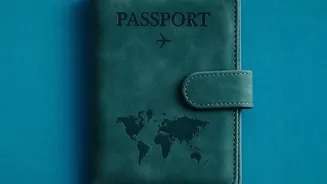
Good news for Indian travellers: as of mid-2026, the 30-day tourist Electronic Travel Authorization (ETA) for Sri Lanka is free. You must apply for this ETA online before your departure, as it is not available on arrival. The process is straightforward,
requiring a valid passport with at least six months of validity, a return ticket, and proof of accommodation. When it comes to currency, the Sri Lankan Rupee (LKR) is your go-to. As of September 2026, the exchange rate is approximately 1 INR to 3.47 LKR. While cards are accepted in cities, carrying enough cash is essential for smaller towns, local eateries, and public transport.
Getting There Without Breaking the Bank
Proximity is a major advantage for Indian travellers. Direct flights to Colombo from cities like Chennai, Bengaluru, Mumbai, and Delhi are frequent and relatively cheap. A return flight can cost anywhere between ₹12,000 and ₹22,000. Booking a few months in advance, travelling during the shoulder seasons (April, October-November), and being flexible with your dates can help you secure the best deals. Chennai and Tiruchirappalli consistently offer the lowest fares due to their close proximity to the island nation.
Accommodation: Hostels and Homestays
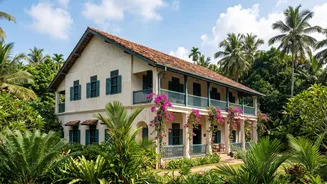
Sri Lanka has a fantastic network of budget-friendly accommodation that doesn't compromise on comfort. A dorm bed in a clean, well-rated hostel can cost between $7 to $10 (approx. ₹600-₹850) per night. Popular backpacker hubs like Ella, Mirissa, and Kandy are filled with social hostels perfect for meeting other travellers. For those wanting more privacy, local guesthouses and homestays offer private rooms for about $15 to $25 (approx. ₹1,250-₹2,100). These family-run establishments not only save you money but also offer a wonderful glimpse into authentic Sri Lankan hospitality. Negombo is an excellent choice for your first and last nights, with many budget guesthouses near the airport.
Transport: Travel Like a Local
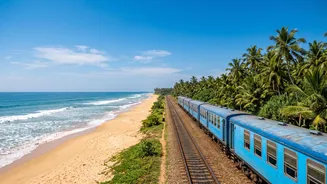
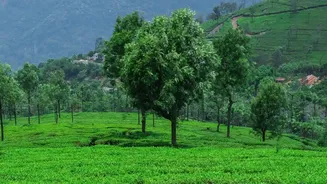
Embracing public transport is the key to a shoestring budget. Sri Lanka's public bus network is extensive and incredibly cheap, with most short trips costing less than a dollar. The trains are another highlight, especially the scenic journey from Kandy to Ella, which costs only a few dollars and offers breathtaking views of tea plantations. For getting around towns, tuk-tuks are everywhere. While convenient, always agree on a price before you start your ride. In major cities like Colombo and Kandy, ride-hailing apps like Uber and PickMe can offer more transparent and often cheaper fares for tuk-tuks and taxis.
Eating Well on a Few Hundred Rupees
Sri Lankan food is a flavourful adventure that is also incredibly light on the wallet. A filling and delicious plate of rice and curry from a local eatery, known as a 'hotel', will only set you back about LKR 300-600 (approx. ₹85-₹170). Street food is another must-try. Look for 'short eats' (small fried snacks), kottu roti (chopped flatbread stir-fried with vegetables and spices), and hoppers (bowl-shaped pancakes). You can comfortably eat well for under ₹800-₹1000 per day by sticking to these local spots and avoiding tourist-centric restaurants.
Activities That Don't Cost a Fortune
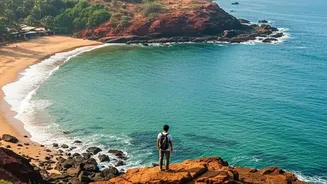
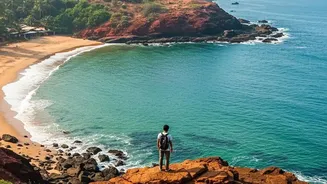
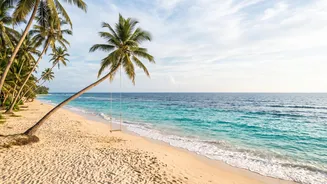
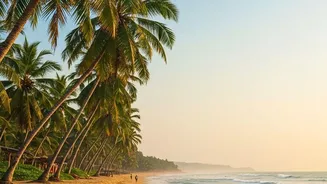
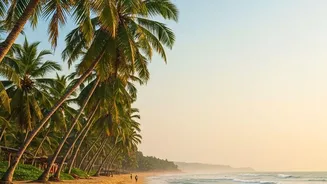
Many of Sri Lanka's best experiences are free or very cheap. You can spend days exploring the island's beautiful beaches, from the surf-friendly waves of Arugam Bay to the tranquil shores of Mirissa and Unawatuna, without spending a rupee. Hiking is another fantastic free activity; trails like Little Adam's Peak in Ella offer stunning views at no cost. Wandering through the colonial-era streets of Galle Fort is also free. While major sites like Sigiriya Rock have high entrance fees, you can hike the adjacent Pidurangala Rock for a fraction of the price and get an equally spectacular view. Many temples across the country are free to enter or ask for a small donation.