



What Exactly Is This Wonder Flour?
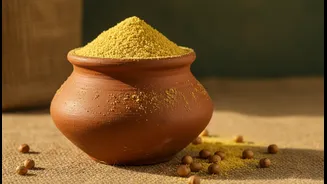
Sattu is a flour made from roasted grains and pulses, most commonly Bengal gram (kala chana). It has been a staple in Indian states like Bihar, Jharkhand, and Uttar Pradesh for centuries. The traditional preparation involves dry-roasting the grains, often
in sand, which seals in their nutrients before they are ground into a fine powder. Unlike besan (gram flour), which is made from raw chickpeas, sattu is made from roasted ones, giving it a distinct nutty flavour and making it ready to consume without cooking. Historically, it was the go-to meal for farmers and labourers, providing instant and sustained energy for a hard day's work.
The Nutritional Powerhouse Explained
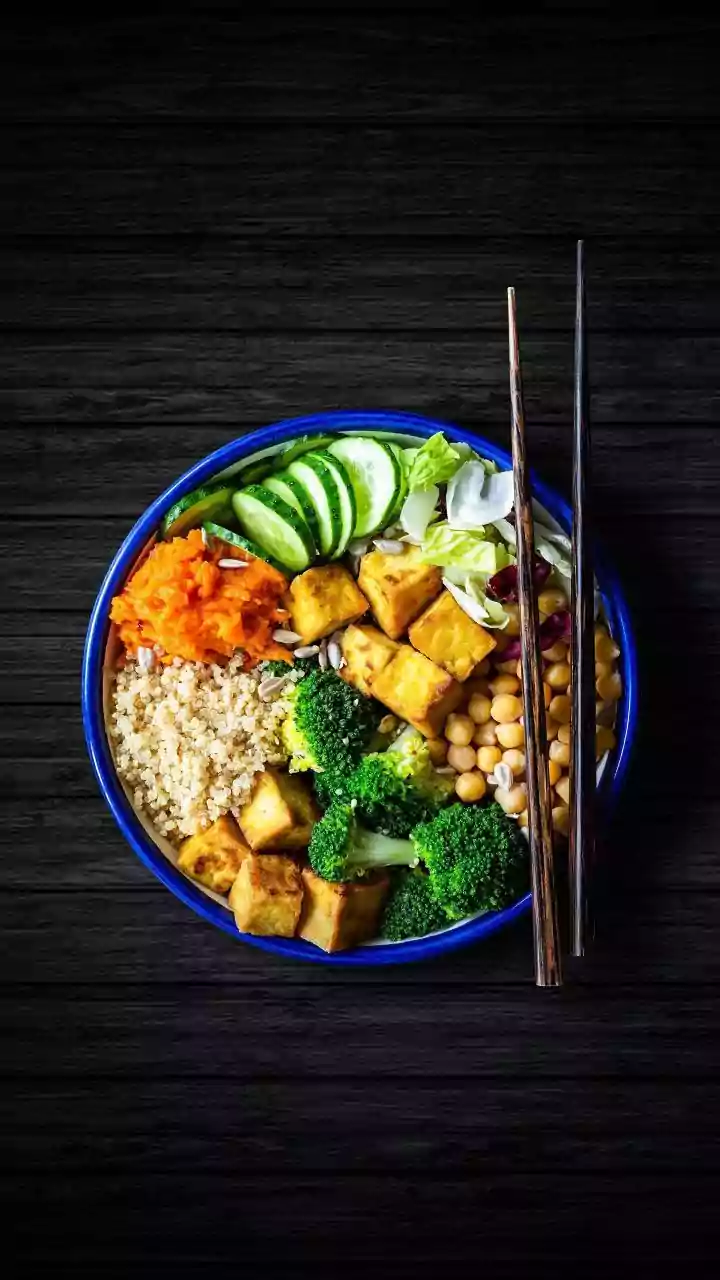
The reason sattu feels so substantial is its impressive nutritional profile. It's often called the 'poor man's protein' for a reason. A 100-gram serving of chana sattu can pack around 20-25 grams of protein, making it an excellent plant-based source for vegetarians and vegans. But it's not just about protein. Sattu is incredibly rich in dietary fibre, which aids digestion, keeps you feeling full for longer, and helps manage weight. It's also loaded with essential minerals like iron, magnesium, and calcium, which are vital for everything from bone health to energy production. Furthermore, it's a low-glycemic index food, meaning it releases energy slowly and doesn't cause sharp spikes in blood sugar, making it a suitable choice for diabetics.
India’s Original Cooling Drink
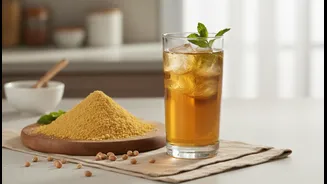
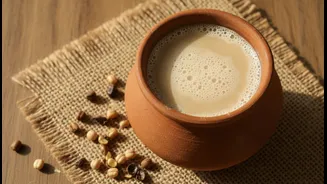
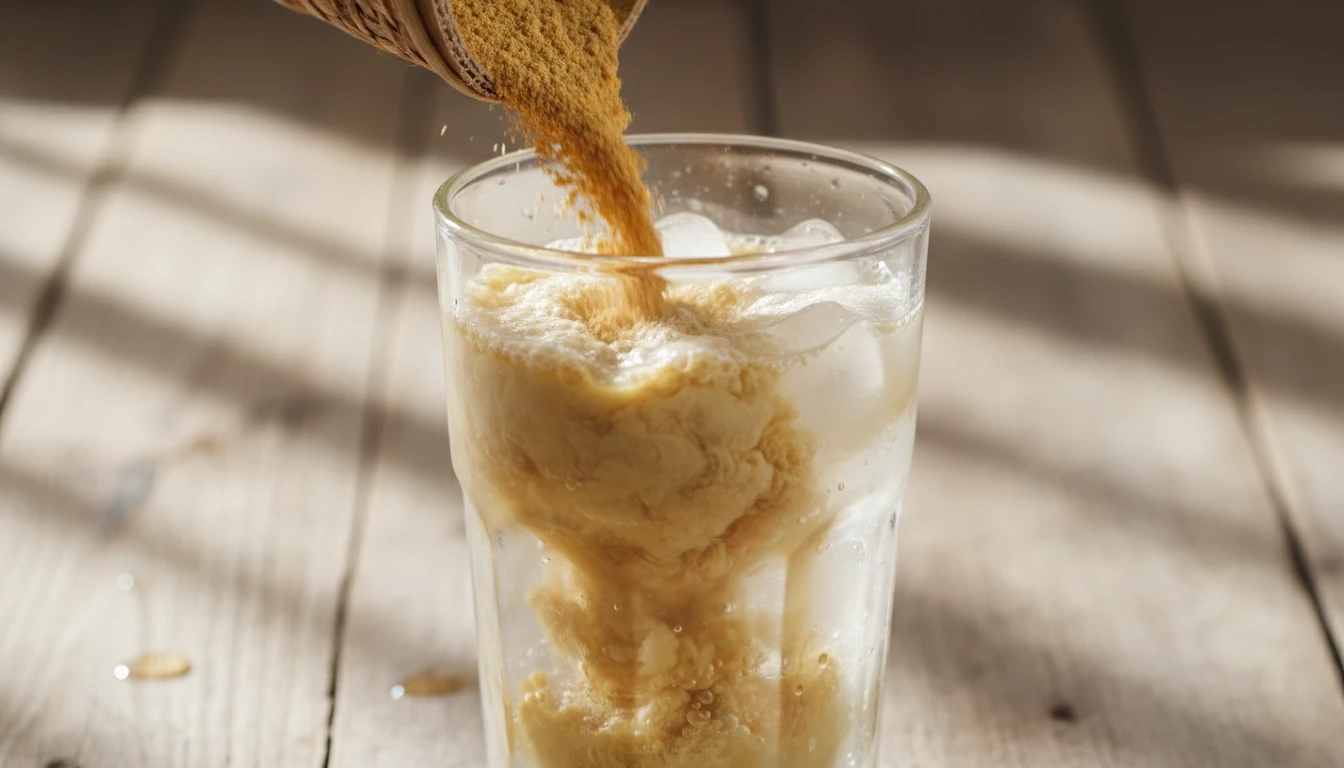
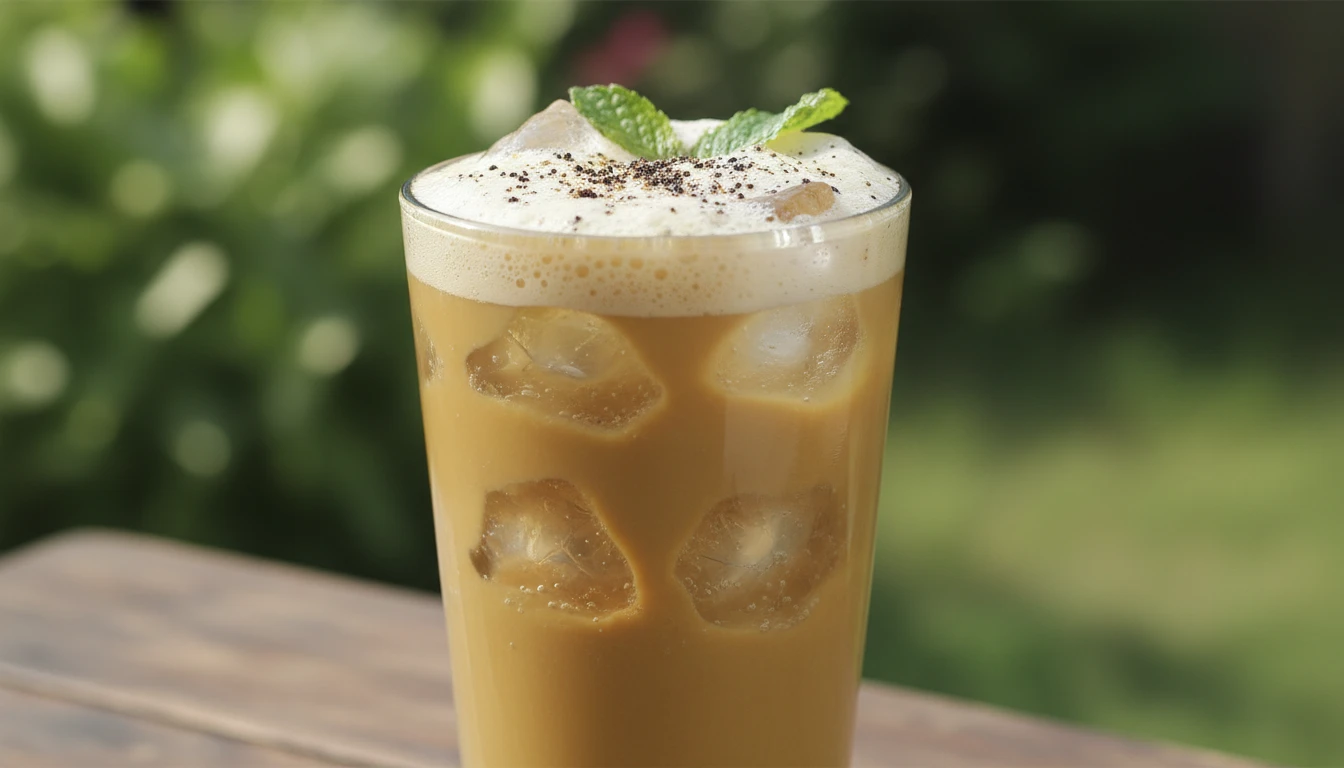
Long before air conditioners and refrigerated sodas, there was sattu sharbat. This traditional beverage is renowned for its natural cooling properties, making it a lifesaver during India's scorching summers. The drink helps regulate body temperature, protects against heatstroke, and replenishes electrolytes like potassium and magnesium that are lost through sweat. Its ability to hydrate and energise simultaneously makes it a far superior choice to sugary, carbonated drinks that often lead to an energy crash. A single glass can provide significant relief from the oppressive heat, cooling the body from the inside out.
Sweet, Savoury, or Something Else?
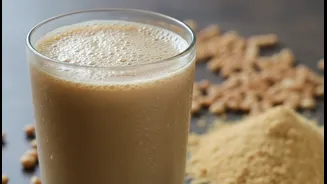
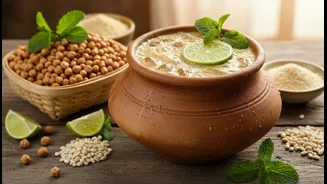
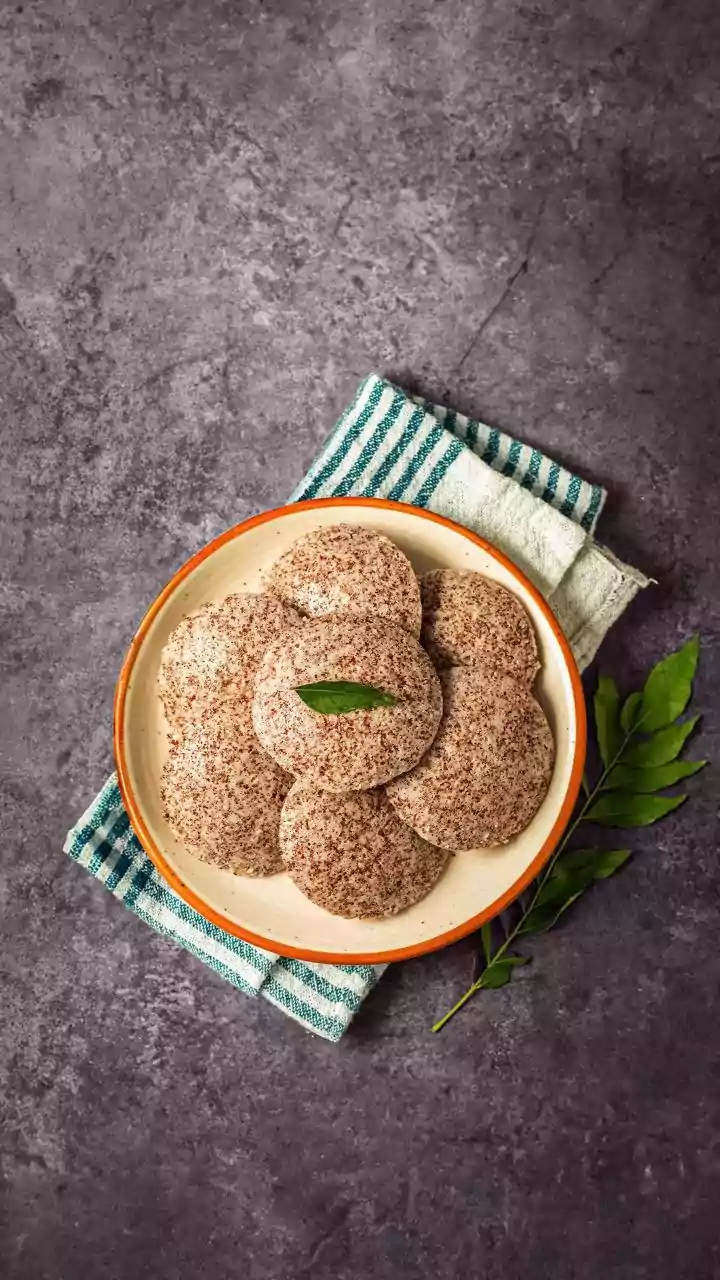
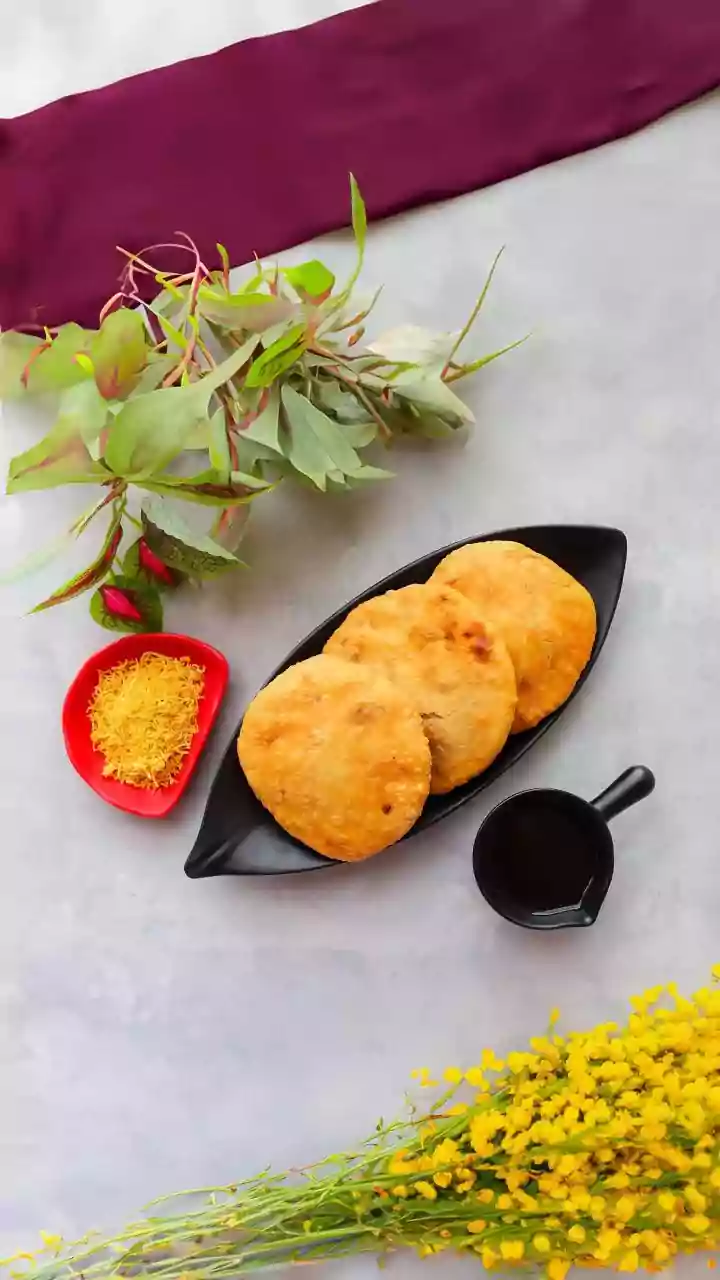
The beauty of sattu lies in its versatility. The most common way to consume it as a drink is in the form of sharbat, which comes in two popular versions: sweet (meetha) and savoury (namkeen). The sweet version is a simple mix of sattu, water, and a sweetener like jaggery or sugar, sometimes with a squeeze of lemon. The savoury version is a flavour explosion, combining sattu with water, black salt, roasted cumin powder, finely chopped onions, mint leaves, and a dash of lemon juice. But sattu is not just limited to drinks. It serves as the key stuffing for the famous Bihari dish, Litti Chokha, and can be used to make parathas, porridge, or even energy balls.
From Farmer's Fare to Fitness Fad
While sattu has been a cornerstone of rural diets for generations, it is now experiencing a major resurgence in urban India. Nutritionists, fitness enthusiasts, and health-conscious city dwellers are rediscovering this ancient superfood. It’s being hailed as India’s answer to expensive protein powders, offering a natural, affordable, and wholesome alternative. Modern brands are now packaging and marketing sattu, making it easily accessible in supermarkets and online. This revival is a testament to its timeless appeal and its perfect alignment with contemporary wellness trends that favour natural, plant-based, and nutrient-dense foods.