




From Household Staple to Café Star
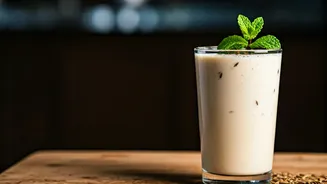
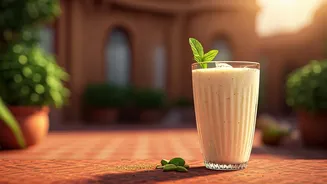
For generations, curd-based drinks have been a fixture in Indian households. [4] Whether it's the thick, creamy lassi of Punjab or the light, spiced chaas (also known as buttermilk) that concludes a meal, these beverages are deeply woven into the country's
culinary fabric. [10, 13] Traditionally seen as a simple, home-made remedy for heat and a digestive aid, these drinks are now undergoing a modern revival. [7] They are stepping out of the home and onto the menus of trendy cafes and restaurants, embraced by a new generation that is increasingly seeking out authentic, natural, and locally-sourced options over carbonated soft drinks. [7] This isn't just about nostalgia; it's a rediscovery of the inherent goodness packed into every glass.
The Gut-Health Phenomenon
A primary driver of this comeback is the global wellness trend and a growing awareness of gut health. Curd-based drinks are natural probiotics, teeming with beneficial bacteria like lactobacilli that support a healthy digestive system. [3, 4] These probiotics aid digestion, can help prevent bloating and acidity, and contribute to a stronger immune system. [3, 5] In an era where consumers are scrutinising labels and prioritising functional foods, the straightforward, nutrient-dense profile of a traditional lassi or chaas is incredibly appealing. Rich in calcium, protein, and vitamins like B12, these drinks offer a powerhouse of nutrition that processed beverages simply cannot match. [3, 5]
A Journey Across India's Beverage Map
While lassi and chaas are the most well-known, India boasts a diverse array of regional curd-based drinks, each with its unique character. [2] In Maharashtra, you'll find 'taak,' a thin, spiced buttermilk that aids digestion after a heavy meal. [14] Head south to Kerala, and you'll be served 'sambharam,' a refreshing, salted buttermilk spiced with ginger, green chillies, and curry leaves. [11, 15] These variations reflect the local palate and climate. Chaas in Gujarat and Rajasthan is a staple against the dry heat, often simply seasoned with roasted cumin and salt. [13, 16] This diversity showcases the adaptability of curd as a base, allowing for a spectrum of flavours from sweetly satisfying to savoury and spiced. [2]
The Modern Makeover
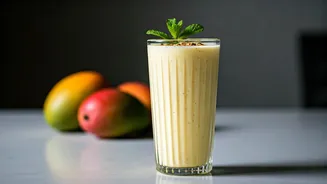
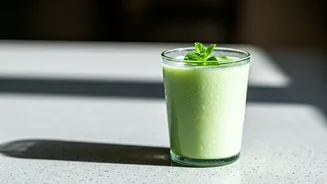
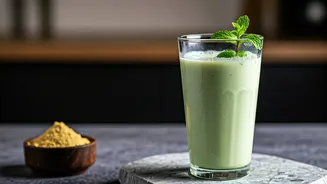
Part of the resurgence is thanks to creative culinary minds giving these traditional drinks a contemporary twist. While classic sweet or salted lassi will always have its place, cafes are now experimenting with new and exciting flavours. It's not uncommon to find mango lassi, a perennial favourite, alongside versions featuring strawberry, blueberry, or even avocado. [10] Spiced chaas is being elevated with infusions of mint, coriander, and chaat masala for a more complex flavour profile. [12, 17] This innovation keeps the tradition alive while making it relevant and exciting for modern tastes, proving that old-world wisdom can easily adapt to the new-world palate without losing its soul.