








The Spice You Think You Know
Cinnamon is a staple in kitchens across India, beloved for its warm, sweet aroma and versatility. It finds its way into everything from rich curries and biryanis to morning chai and sweet desserts. Most of us grab a jar labelled simply "cinnamon" without
a second thought. However, not all cinnamon is created equal. The vast majority of what is globally sold as cinnamon is a variety called Cassia. It's potent, spicy, and affordable. But there's another, more delicate variety called Ceylon cinnamon, often referred to as "true cinnamon," and the differences between them are significant, especially if it's part of your daily routine.
Cassia vs. Ceylon: What's the Difference?
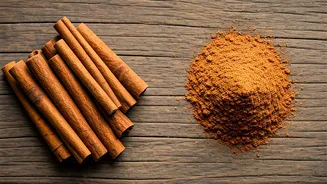
The two main types of cinnamon come from the bark of different trees. Cassia cinnamon (from the Cinnamomum cassia tree) is what you likely have in your pantry. It has a dark, reddish-brown colour, a strong, spicy flavour, and its sticks are formed from a single, thick layer of bark that curls inward. Ceylon cinnamon (from the Cinnamomum verum tree, native to Sri Lanka) is tan-brown, has a milder, sweeter, and more complex flavour, and its sticks are made of many thin, fragile layers rolled together like a cigar. Beyond appearance and taste, the most crucial difference lies in a compound called coumarin.
The Coumarin Concern
Coumarin is a natural flavouring compound found in many plants, including cinnamon. In high doses, it can pose risks to liver health, especially in sensitive individuals. The German Federal Institute for Risk Assessment (BfR) has set a tolerable daily intake (TDI) of 0.1 milligrams (mg) of coumarin per kilogram of body weight. This is where the type of cinnamon really matters. Cassia cinnamon contains high and variable levels of coumarin, sometimes as much as 1%, which is about 250 times more than Ceylon cinnamon. A single teaspoon of Cassia powder can contain 5.8 to 12.1 mg of coumarin, potentially exceeding the daily limit for a smaller person. Ceylon cinnamon, by contrast, contains only trace amounts, making it a much safer choice for regular, heavy use.
Why a 'Reset' Is a Healthy Move
The goal isn't to stop using cinnamon—far from it. The spice is celebrated for its health benefits, including its powerful antioxidant and anti-inflammatory properties. Studies suggest cinnamon can help with blood sugar management by improving insulin sensitivity, which is why it's so popular with breakfast foods that can sometimes spike glucose levels. A "cinnamon reset" is about making a conscious switch to Ceylon cinnamon. This allows you to continue enjoying all the health benefits without the worry of accumulating high levels of coumarin. By choosing Ceylon, you're choosing a safer vehicle for these wellness perks, especially if cinnamon is a daily fixture in your diet.
How to Upgrade Your Cinnamon Habit
Making the switch is simple. When shopping, look for products explicitly labelled "Ceylon cinnamon" or "Cinnamomum verum". It might be a lighter tan colour and is often more expensive than Cassia. Once you have it, the possibilities are endless. Sprinkle it into your morning oatmeal or yogurt for a gentle, sweet warmth. Blend it into smoothies with banana and almond milk for a flavour that tastes like a treat. You can even try a sweet cinnamon omelette by whisking a little into your eggs with a splash of milk for a surprisingly delicious, protein-packed start to your day. And of course, adding it to your morning coffee or tea remains a classic way to enjoy its flavour.