



The Vacation After the Vacation
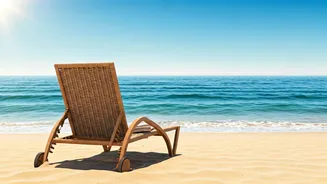
You know the feeling. You’ve just returned from a much-anticipated holiday, but instead of feeling refreshed, you’re exhausted. Your days were a blur of 6 a.m. alarms, rushed breakfasts, and a frantic dash from one landmark to another, all to tick items
off a seemingly endless itinerary. You have hundreds of photos but few real memories. This phenomenon, often dubbed 'travel burnout,' is the price many pay for a packed holiday. For years, this was the default mode of travel, driven by a fear of missing out and a desire to maximise limited annual leave. The goal wasn't to experience a place, but to conquer it. This approach, however, is beginning to feel outdated and deeply unsatisfying.
Defining the 'Slow Escape'
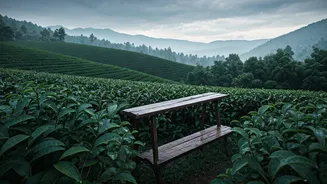
Enter the ‘slow escape,’ or ‘slow travel.’ It’s not about travelling at a snail’s pace or being lazy. Instead, it’s a conscious choice to connect more deeply with a single destination. Think renting a homestay in a quiet Goan village for a week instead of hopping between North and South Goa in three days. Or spending ten days exploring the coffee plantations of Coorg instead of a whirlwind tour of Karnataka's greatest hits. Slow travel prioritises depth over breadth. It means unpacking your suitcase, learning a few words of the local language, frequenting the neighbourhood chai stall, and discovering the rhythm of a place rather than just its highlights. It’s about being, not just seeing.
The Post-Pandemic Mindset Shift
So, why the sudden surge in popularity? The global pandemic was a major catalyst. Widespread lockdowns forced a global pause, recalibrating our relationship with time and place. Many people realised the frantic pace of pre-pandemic life was unsustainable, and that logic extended to travel. Furthermore, the rise of remote and hybrid work models has untethered millions from the office. A 'workation' is no longer a niche concept. People can now spend weeks or even months in a new location, blending work with leisure and truly immersing themselves in a new environment without burning through their vacation days. This flexibility has made longer, slower stays more accessible than ever before.
Beyond Burnout: Deeper Benefits
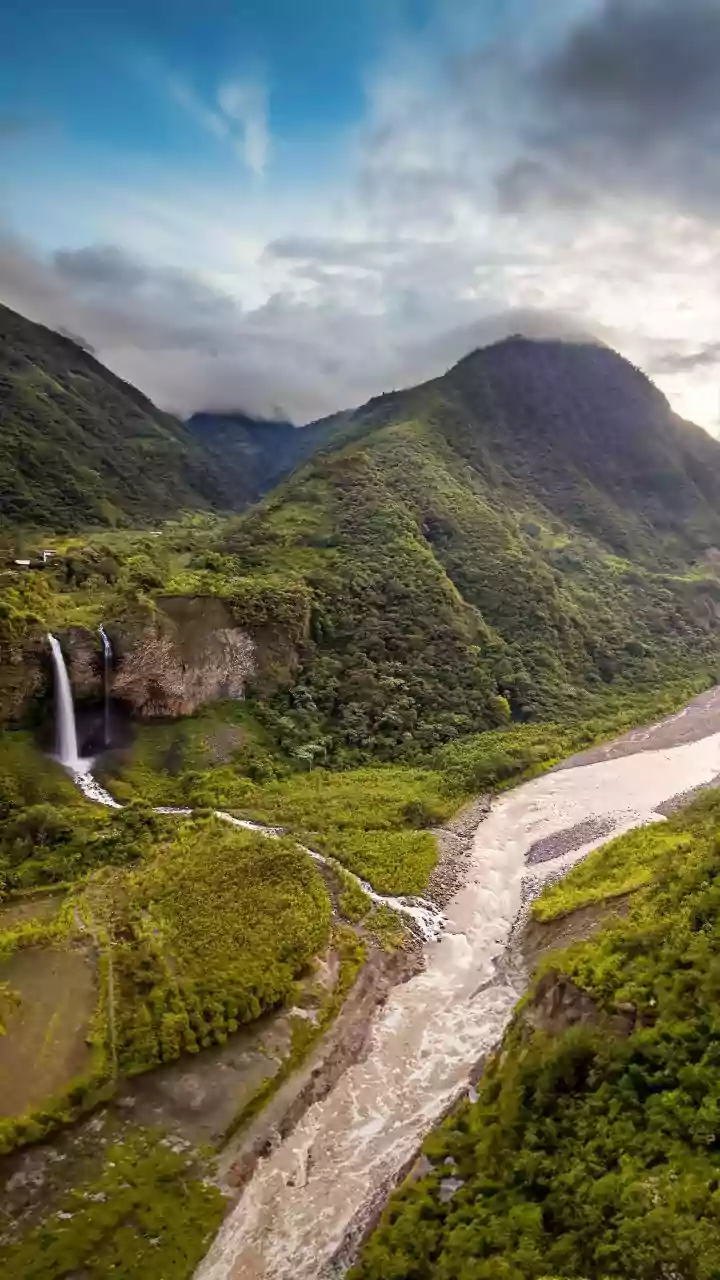
The appeal of slow travel goes beyond simply avoiding exhaustion. It aligns with a growing desire for more meaningful and sustainable experiences. By staying longer in one place, travellers reduce their carbon footprint associated with constant transit. They also contribute more significantly to the local economy, spending money at family-run restaurants, independent shops, and local markets, rather than just at major tourist hubs. On a personal level, the mental health benefits are immense. Slow travel reduces the decision fatigue and anxiety that come with a packed schedule. It allows for spontaneity—the joy of stumbling upon a hidden waterfall or having an unplanned conversation with a local artisan. It replaces the pressure to perform with permission to simply exist.
Finding Your Own Pace
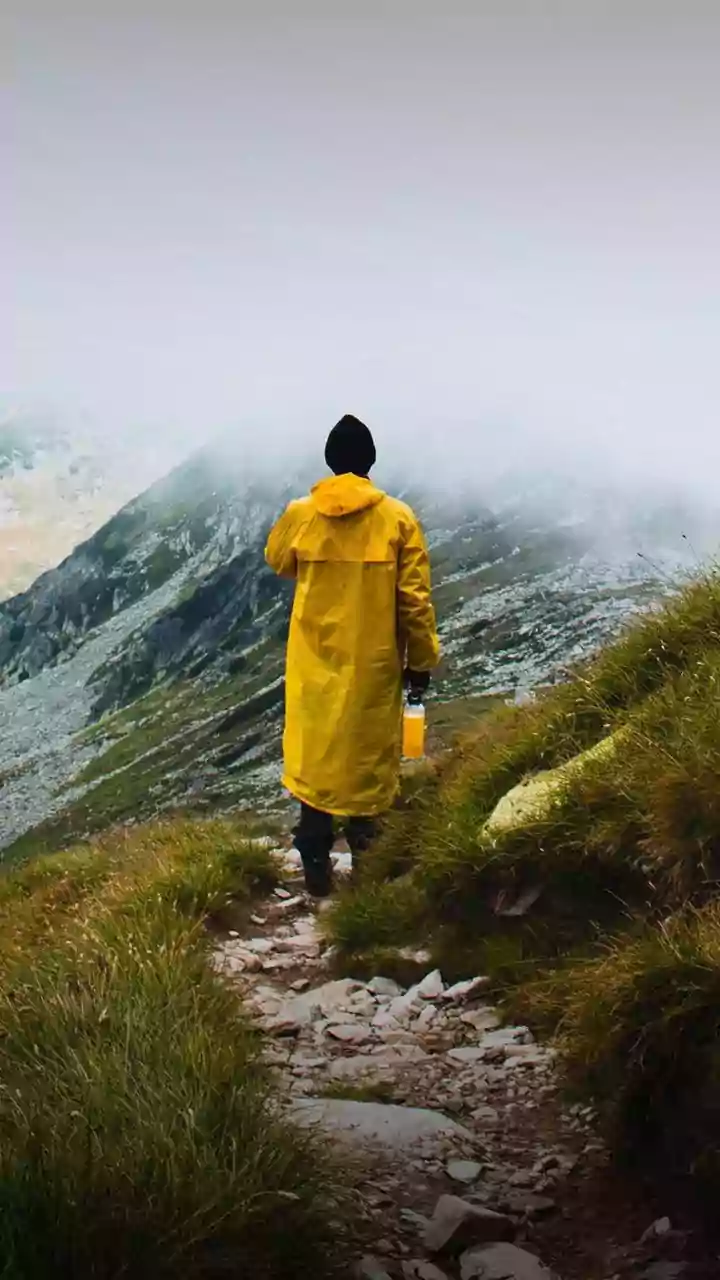
Embracing slow travel doesn't require a month-long sabbatical. It can be as simple as choosing one region for your next trip instead of three. Instead of a whirlwind tour of Himachal, pick a single valley like Tirthan or Spiti and explore its trails and villages. Rather than rushing through Rajasthan's forts, settle in Udaipur and discover its lakes and art scene at a leisurely pace. The key is to shift your mindset from 'how much can I see?' to 'how well can I experience this?' It’s about quality over quantity, connection over collection. It’s about returning home not just with a camera full of pictures, but with a genuine sense of place and a feeling of true restoration.