







The Rupee's Value and Your Budget
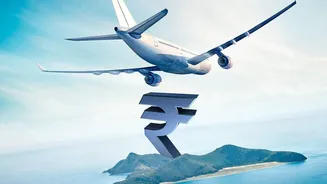
The exchange rate determines how many rupees you need to buy one unit of a foreign currency, like the US Dollar or Euro. When the rupee weakens, you need more rupees to buy the same amount of foreign currency. This means everything you pay for abroad—from
hotel rooms to meals and shopping—becomes more expensive. For example, if the USD/INR rate moves from ₹90 to ₹92, a $1,000 expense that would have cost ₹90,000 now costs ₹92,000. This depreciation can increase your overall trip cost by 10-15%, making a significant dent in your budget. Factors like inflation, interest rates, and foreign investment flows cause these fluctuations, making it a key metric to watch before and during your travels.
The TCS and LRS Framework
Indian residents sending money abroad operate under the Liberalised Remittance Scheme (LRS), which has an annual cap of USD 2,50,000 per person. A key component of this is the Tax Collected at Source (TCS). For overseas tour packages, a flat 2% TCS is applied to the total cost, with no minimum threshold. For other foreign travel expenses, such as buying forex, there is no TCS on amounts up to ₹10 lakh in a financial year. Above that limit, a 20% TCS applies. It is crucial to remember that TCS is not an extra tax; it's an advance tax that you can claim as a credit or refund when you file your income tax returns.
Beware of Dynamic Currency Conversion (DCC)
When paying with your Indian card abroad, you might be offered the choice to pay in Indian Rupees instead of the local currency. This is called Dynamic Currency Conversion (DCC). While it seems convenient to see the cost in a familiar currency, it's often a trap. The exchange rates used for DCC are set by the merchant's payment provider, not your bank, and typically include a significant markup of 2-4% or even more. Always decline this option and choose to pay in the local currency. Your own bank's exchange rate is almost always more favourable, ensuring you don't pay unnecessary fees.
Smart Strategies for Managing Forex
To make your money go further, planning your foreign exchange is key. Using a multi-currency forex card is often the most effective strategy. These cards allow you to lock in an exchange rate before you travel and typically have lower transaction fees compared to credit or debit cards. Avoid exchanging large amounts of cash at airports, where rates are notoriously poor. Instead, exchange a small amount for immediate needs before you depart and rely on your forex card for most expenses. It's also wise to carry a mix of payment options—a forex card, one or two credit cards with low international transaction fees, and some cash for emergencies.