




Beyond a Simple Sabzi
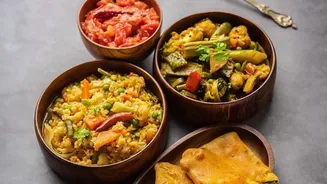
In many parts of India, raw jackfruit is a beloved summer vegetable used in everything from spicy curries and pickles to biryani. Its fibrous texture has made it a popular meat substitute, soaking up spices beautifully in robust, home-style preparations.
While North Indian kathal ki sabzi, with its onion-tomato base, is a classic, the culinary landscape of India offers many regional variations. From Kerala's 'Chakka Aviyal' to Andhra's 'Panasakaya Pulao', each dish showcases the vegetable's versatility. However, the Parsi approach offers a flavour profile that stands distinctly apart, rooted in a rich history of migration and culinary fusion.
The Parsi Flavour Signature
Parsi cuisine is a delightful amalgamation of Persian and Indian, particularly Gujarati, influences. This history has created a unique culinary trinity known as 'tikhu-khatu-mithu', which translates to spicy-sour-sweet. Perfecting this balance is the key to authentic Parsi cooking. The 'khatu-mithu' (sour-sweet) element is often achieved by combining jaggery or sugar with vinegar, a technique that gives many Parsi dishes their characteristic tang. While well-known for meat and egg dishes like Dhansak and Sali Boti, Parsi vegetarian cooking applies these same principles, elevating simple vegetables into complex and memorable meals. This kathal recipe is a perfect example of that philosophy in action.
Gathering Your Ingredients
This recipe relies on a foundation of common Indian spices, but a few key items create the authentic Parsi taste. You will need around 500g of raw jackfruit, which you can often buy pre-peeled and chopped. For the masala base, you'll need onions, tomatoes, and a standard ginger-garlic paste. The core spices include turmeric, red chilli powder, and a good quality garam masala; a Parsi garam masala or dhansak masala will provide the most authentic flavour. The magic, however, comes from the 'khatu-mithu' duo: about two tablespoons of jaggery (or brown sugar) and one to two tablespoons of sugarcane vinegar. If you don't have sugarcane vinegar, apple cider vinegar can work as a substitute. Aromatic whole spices like cinnamon and cloves will round out the dish.
Step-by-Step: Crafting the Curry
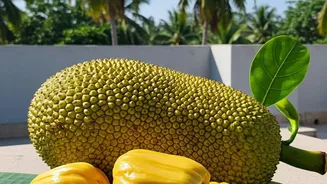
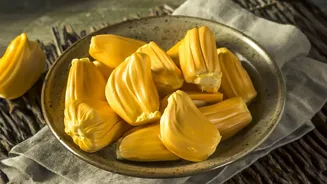
First, prepare the jackfruit. If you're starting with a whole one, grease your hands and knife with oil to manage the sticky sap. Cut the jackfruit into bite-sized pieces. Many traditional recipes recommend either boiling or lightly frying the jackfruit pieces until they are tender and slightly golden before adding them to the curry. This step helps develop texture and ensures it cooks evenly. Next, create the masala. Heat oil in a pan and sauté whole spices like cinnamon and cloves. Add finely chopped onions and cook until they are soft and golden. Stir in your ginger-garlic paste, followed by chopped tomatoes, and cook until the mixture thickens and oil begins to separate. Add your powdered spices—turmeric, chilli powder, and garam masala—along with salt. Now, introduce the 'khatu-mithu' elements. Stir in the jaggery and vinegar, allowing the jaggery to dissolve completely. Add the pre-cooked jackfruit pieces to the masala, coating them well. Pour in a cup of warm water, bring the curry to a simmer, then cover and cook on low heat for 15-20 minutes, or until the jackfruit is perfectly tender and has absorbed the flavours of the gravy. Adjust seasoning if needed.
Serving and Pairing
Parsi kathal is best enjoyed hot, garnished with fresh coriander. Its unique sweet, sour, and spicy gravy pairs wonderfully with simple carriers that can soak up the flavour. While many Indian curries are served with roti or chapati, Parsi households often accompany their meals with crusty bread or pav, which is excellent for mopping up every last bit of the delicious sauce. It also goes beautifully with plain steamed rice, allowing the complex flavours of the curry to take centre stage. For a complete meal, serve it alongside a simple 'kachumber' salad of chopped onion, tomato, and cucumber to provide a fresh, crunchy contrast.