




The Pervasive Problem of Microplastics
Microplastics are tiny fragments of plastic, less than five millimetres in diameter, that come from the breakdown of larger plastic items, industrial discharge, and even our clothes. They are everywhere: in our rivers, oceans, soil, and unfortunately,
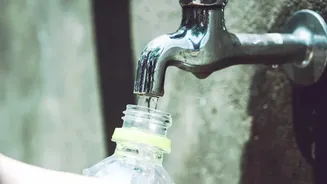
our drinking water systems. Because of their minuscule size, they easily bypass conventional water treatment plants, flowing out of our taps and into our bodies. The long-term health implications are still being studied, but the presence of these synthetic particles in our ecosystem and food chain is a significant environmental challenge that demands innovative solutions.
From Paddy Field to Purifier
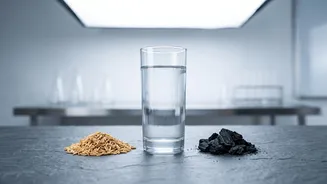
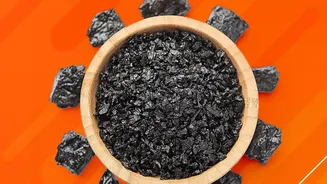
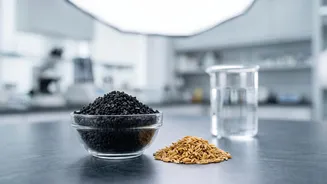
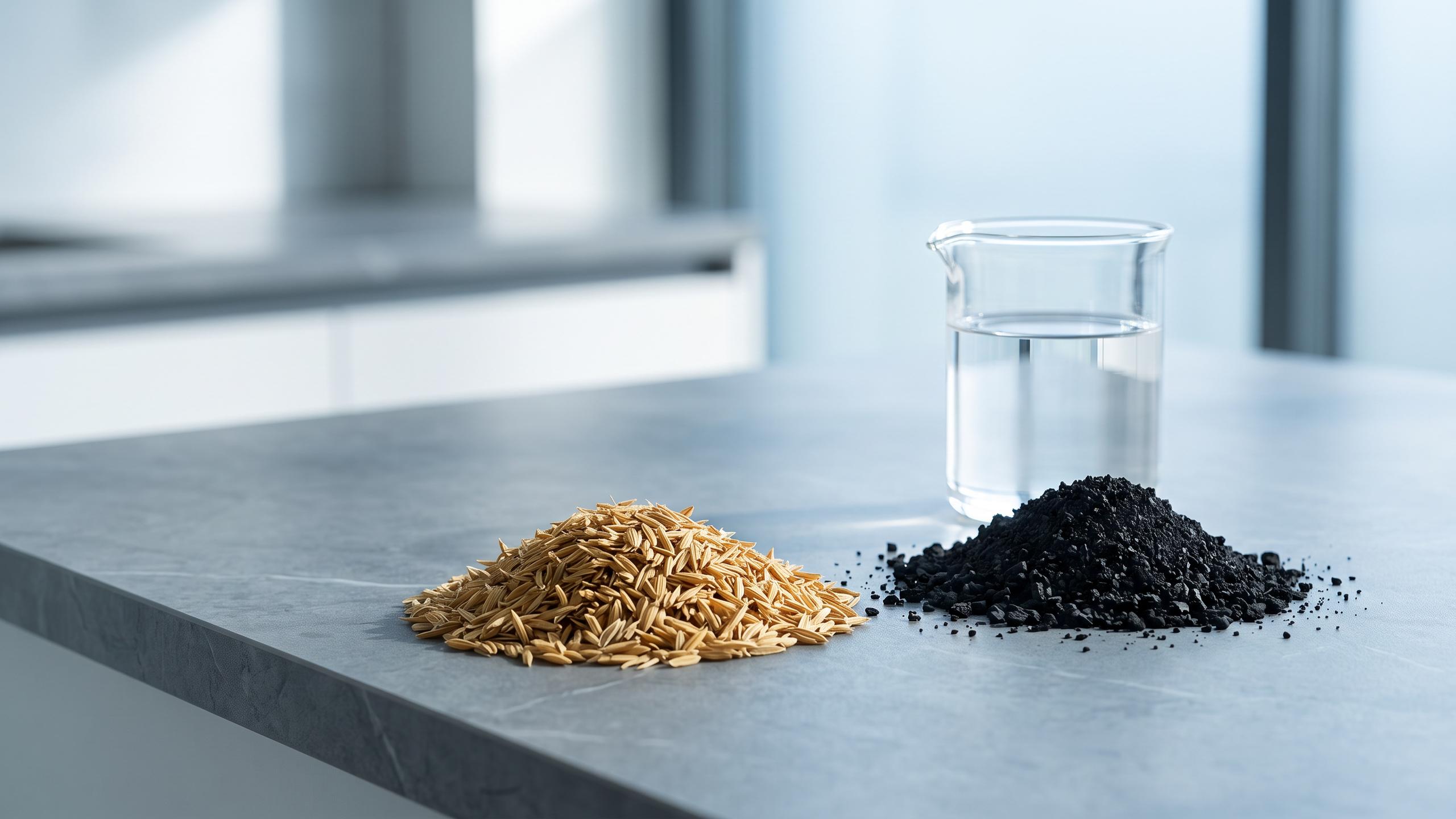
Enter biochar, a remarkable substance that looks like charcoal but holds immense potential. Scientists have discovered that by heating agricultural waste like rice husks in a low-oxygen environment—a process called pyrolysis—they can create a highly effective filter material. Rice husks, often discarded or burned as waste from India's massive rice cultivation, are being given a new purpose. This waste-to-wonder transformation not only provides a solution for water purification but also addresses the problem of agricultural waste disposal, turning a potential pollutant into a powerful tool for environmental repair.
The Science of a Super-Sponge
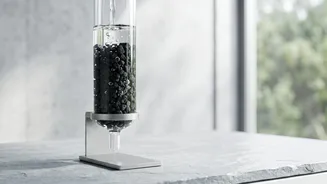
So, how does it work? The pyrolysis process gives rice husk biochar a highly porous, honeycomb-like structure with an enormous surface area. This structure acts like a highly effective trap. As water passes through the biochar filter, microplastic particles get physically entangled and stuck within its complex network of pores. But it’s not just physical trapping. The biochar's surface also has chemical properties that attract and bind with the pollutants through forces like electrostatic interaction, essentially grabbing onto the microplastics and refusing to let them go. Studies have shown this method can remove over 95% of microplastics from water.
A Sustainable and Affordable Solution
One of the most exciting aspects of this technology is its sustainability and low cost. Compared to traditional filtration methods like activated carbon, which can be expensive, biochar from rice husks is made from an abundant, readily available resource. This makes it a particularly promising solution for rural and low-income communities. By making use of local agricultural waste, it promotes a circular economy, reducing reliance on imported materials and lowering the overall cost of water treatment. Furthermore, the process of creating biochar locks carbon into a stable form, which can help in reducing atmospheric carbon dioxide.
The Path to Cleaner Water
While research is incredibly promising, the technology is still primarily in the development and testing phase. Scientists are working to optimise the biochar for removing different types of contaminants and are exploring how to scale up production for use in municipal wastewater treatment plants and community-level systems. There are challenges to address, such as ensuring the biochar's effectiveness over long-term use and determining the best methods for regenerating or disposing of the used filter material. However, the potential is undeniable. Some companies are already commercialising water filters that use rice husks, indicating a clear path from the lab to our homes.