
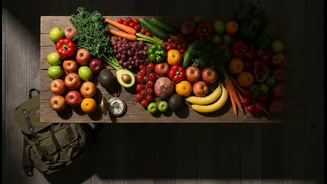


The Power of a Varied Plate
A diverse diet is the cornerstone of good health. It’s not about exotic superfoods, but rather the simple wisdom of eating a wide variety of items. Different foods provide a unique mix of macronutrients (proteins, fats, carbs) and micronutrients (vitamins,
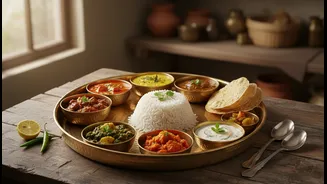
minerals) that work together to fuel our bodies, support cognitive function, and bolster our immune systems. The traditional Indian thali is a perfect embodiment of this principle, naturally balancing cereals, pulses, vegetables, and dairy. This variety is crucial; it reduces the risk of chronic conditions, enhances gut health, and helps maintain a healthy weight. When our diet is varied, we build nutritional resilience, ensuring our bodies have reserves to draw upon, which studies suggest may even contribute to a longer life.
When Price Shocks Dictate the Menu
Recent economic volatility and supply chain disruptions have sent the prices of nutritious foods soaring. The cost of vegetables, fruits, dals, and eggs can fluctuate dramatically, forcing families to make difficult choices at the market. When a household's purchasing power shrinks, dietary quality is often the first casualty. Families are compelled to shift away from more expensive, nutrient-dense items towards cheaper, calorie-dense staples like rice and wheat. This trade-off, born of economic necessity, means the colourful, varied thali of yesterday is replaced by a more monotonous, nutritionally sparse plate today. This isn't a choice anyone makes lightly; it's a direct consequence of an economic environment where affording basic nutritional variety has become a luxury.
The Hidden Cost of Cheaper Calories
The switch to cheaper, energy-dense foods comes with a heavy, long-term price tag. While these foods fill stomachs, they often lack the essential micronutrients vital for health. This leads to a troubling paradox known as the 'dual burden' of malnutrition: the co-existence of undernutrition (from a lack of essential vitamins and minerals) and over-nutrition (from an excess of empty calories leading to obesity). This shift is a key driver behind the alarming rise of non-communicable diseases (NCDs) in India, such as diabetes, heart disease, and hypertension. The economic consequences are staggering, with NCDs and mental health conditions projected to cost the Indian economy trillions of dollars in lost output and healthcare expenses.
Accruing a Generational Health Debt
The dietary compromises made today are effectively a loan taken out against our future health, and the interest will be paid by generations to come. Children who lack a diverse diet in their formative years can suffer from impaired cognitive development and stunted growth, limiting their future potential. Malnourished mothers are more likely to have underweight babies, perpetuating a vicious cycle of poor health. The rise in NCDs places an immense strain not only on the national healthcare system but also on individual families, who face catastrophic out-of-pocket expenses for chronic care. We are, in essence, creating a public health crisis in slow motion, the full impact of which will be felt for decades.
Securing Our Nutritional Future
Protecting dietary diversity is not an individual problem but a collective responsibility. At a policy level, this requires strengthening agricultural supply chains to reduce price volatility, supporting farmers to grow a wider variety of local crops, and enhancing social safety nets. For individuals and families, navigating these price shocks requires smart strategies. This can include planning meals, prioritising seasonal and local produce, embracing affordable protein sources like lentils and beans, and exploring the value of frozen vegetables, which retain their nutritional content. Small community gardens and a renewed focus on traditional, resilient crops can also empower communities to regain control over their food security.