






What 'Cold-Pressed' Really Means
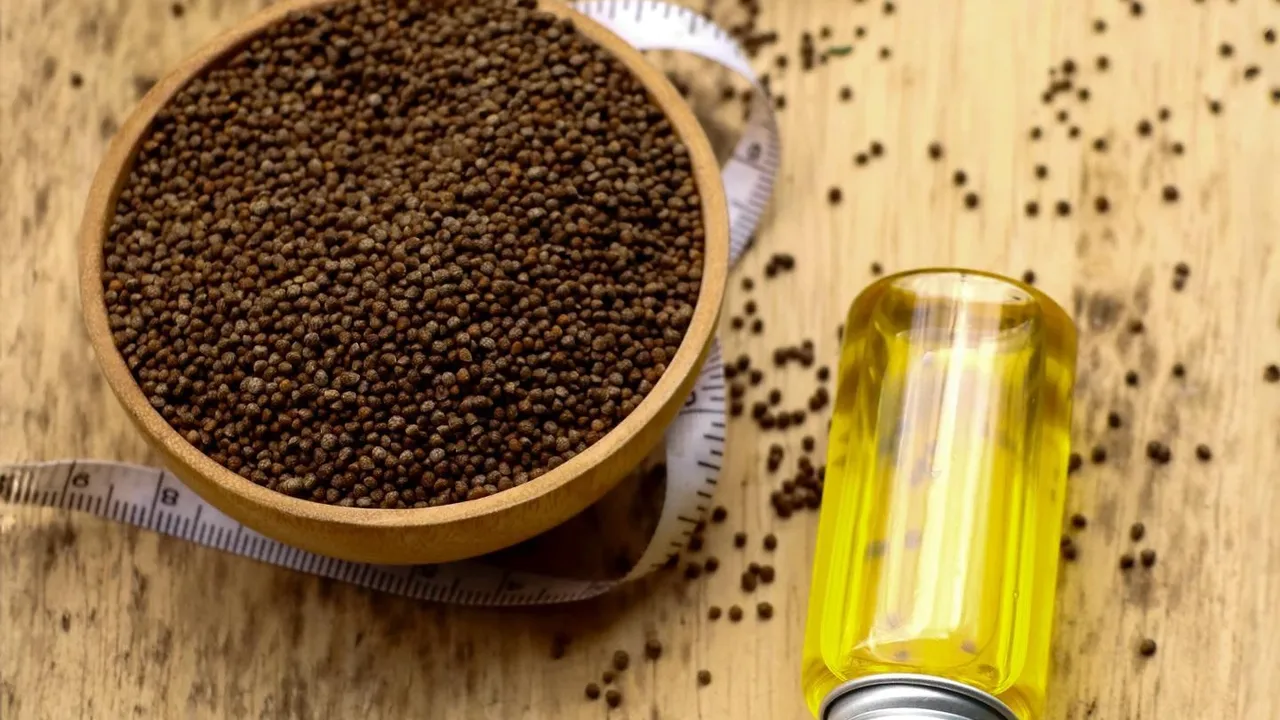
Cold-pressed groundnut oil, often known as 'kachi ghani' or 'chekku' oil, is extracted through a simple, mechanical process. High-quality groundnuts are cleaned, and then crushed under immense pressure at low temperatures, typically below 50°C. This method
avoids the use of external heat or chemical solvents. Think of it like making fresh juice; the goal is to squeeze out the oil while keeping the original character of the groundnut intact. Because this process is gentle, it preserves the natural nutrients, flavour, and aroma of the oil. The resulting oil is often a deeper yellow, with a distinct, pleasant nutty scent that refined oils lack.
The Journey of a Refined Oil
Refined groundnut oil, on the other hand, undergoes a multi-stage industrial process designed for maximum yield and longer shelf life. This journey often starts with extracting oil at high temperatures. What follows is a series of treatments: neutralization (to remove free fatty acids), bleaching (to lighten the colour), and deodorization (to remove the natural scent and flavour). Chemical solvents, such as hexane, are sometimes used to extract every last drop of oil from the peanut pulp. While this process results in a stable, neutral oil with a high smoke point, it also strips away many of the natural nutrients, antioxidants, and, crucially, the flavour compounds.
The Flavour and Aroma Advantage
The single biggest difference you'll notice in your cooking is taste. Cold-pressed groundnut oil retains the delicate, earthy, and nutty flavour of the peanuts. This isn't an overpowering taste; instead, it adds a subtle richness and depth to dishes. When used for a tadka, it carries the aroma of spices cleanly. In sabzis and stir-fries, it complements the vegetables without dominating them. Refined oil, being intentionally neutral, contributes little to no flavour. The deodorization process strips away the aromatic compounds that make cold-pressed oil a flavour enhancer in its own right. By choosing cold-pressed, you're not just adding a cooking medium, but an actual flavour-building ingredient.
Nutrient Powerhouse: What Stays In?
The low-heat, chemical-free extraction of cold-pressed oil means it holds on to more of its natural goodness. It is particularly rich in Vitamin E, a powerful antioxidant that helps protect the body's cells from damage. It also retains beneficial compounds like phytosterols and other antioxidants that are often lost during the high-heat refining process. These oils are a good source of monounsaturated and polyunsaturated fats, which are considered heart-healthy. While refined oil still contains these healthy fats, the nutritional profile of cold-pressed oil is generally superior due to the minimal processing it undergoes.
Cooking with Cold-Pressed Groundnut Oil
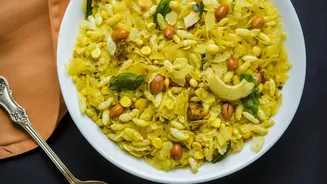
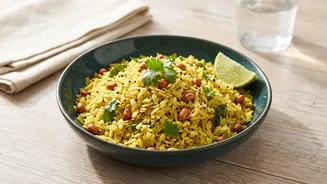
Cold-pressed groundnut oil is incredibly versatile in Indian kitchens. Its relatively high smoke point makes it suitable for most daily cooking methods, including sautéing, shallow-frying, and preparing curries. It’s an excellent choice for making poha, upma, and vegetable stir-fries, where its nutty flavour can shine. Many traditional recipes from western and southern India, from Gujarati shaak to Andhra-style brinjal fry, are perfectly suited to groundnut oil. While some sources note a lower smoke point than its refined counterpart, it is generally robust enough for everyday frying. For a finishing touch, a drizzle over salads or finished dishes can add an extra layer of flavour and aroma.