






Understanding Chaturmas and Its Diet
Chaturmas, which means “four months,” is a significant period in the Hindu calendar dedicated to penance, fasting, and spiritual observance. For 2026, this period begins on July 25th and concludes on November 20th. It's a time when Lord Vishnu is believed
to be in a state of cosmic slumber, and devotees focus on inner reflection. A central part of this observance is adopting a sattvic or pure diet. This involves avoiding certain foods that are considered tamasic (creating inertia), such as onions, garlic, and meat. The diet is not just about spirituality; it has scientific roots, as the monsoon season coincides with a weaker digestive system and a higher risk of food and water-borne illnesses.
The Modern Family's Challenge
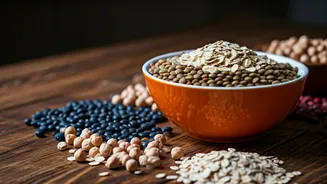
In today’s fast-paced world, adhering to these dietary rules poses a unique challenge. Juggling work, school schedules, and nutritional needs for children can make observing Chaturmas feel overwhelming. Not everyone in the family may follow the restrictions to the same degree, leading to the complex task of preparing multiple meals. The key restrictions—which often include avoiding leafy greens in the first month (Shravan), curd in the second (Bhadrapada), milk in the third (Ashwin), and certain lentils like urad dal in the fourth (Kartik)—require careful management and forward-thinking.
Your Meal Planning Blueprint
A little planning can transform Chaturmas from a culinary challenge into a manageable routine. Start by creating a weekly menu. Involve the whole family in the process, asking for their favourite compliant dishes. Designate theme nights, like 'Millet Monday' or 'Sabudana Saturday', to simplify decision-making. Focus on building a pantry stocked with Chaturmas-friendly staples: think amaranth (rajgira), sago (sabudana), water chestnut flour (singhara atta), rock salt (sendha namak), and a variety of gourds and root vegetables. Batch-cooking certain items, like boiled potatoes or peanut powder, on a Sunday can save significant time during the week.
Smart Swaps and Healthy Alternatives
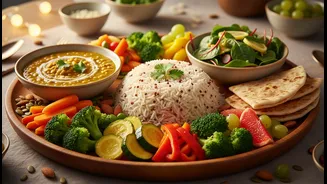
Following restrictions doesn't mean meals have to be bland or repetitive. Creative swaps can keep the menu interesting and nutritious. When leafy greens are avoided, use other vegetables like zucchini or gourds. When curd is off the menu for a month, buttermilk can sometimes be a suitable alternative in smaller quantities for digestion. For the month without milk, explore plant-based milks like almond or coconut milk for certain preparations. Instead of deep-fried snacks, opt for roasted or air-fried makhana (fox nuts) or peanuts. Grains like barnyard millet (samak rice) and buckwheat (kuttu) can be used to make everything from khichdi to dosas, providing variety and nutrition.
Keeping Everyone Happy and Healthy
The goal is to maintain a balanced diet for everyone. For children who need consistent energy and nutrition, focus on what they can eat rather than what they cannot. Fruits, nuts, and dairy (outside of the restricted month) are excellent sources of energy. Dishes like paneer stir-fried with compliant vegetables, sabudana khichdi, or fruit and nut milkshakes can be both delicious and kid-friendly. Explain the 'why' behind the traditions in simple terms to help them feel included. When you prepare meals with allowed ingredients that are genuinely tasty, the entire family is more likely to embrace the spirit of the season without feeling deprived.