


Why Our Cities Need Pollinators
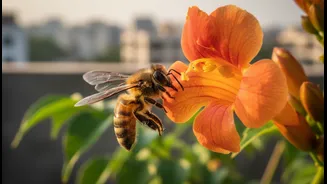
Bees, butterflies, moths, and even some birds are the unsung heroes of our ecosystem. They are responsible for pollinating the majority of the world's flowering plants, including about 35 percent of the world's food crops. In simple terms, one out of every
three bites of food you eat exists because of these hardworking creatures. However, urbanisation, habitat loss, and the use of pesticides have led to a worrying decline in their populations. For city dwellers, this might seem like a distant problem, but the lack of pollinators affects urban biodiversity, the health of city parks, and the resilience of our local environment.
Your Balcony, Their Lifeline
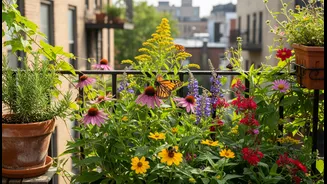
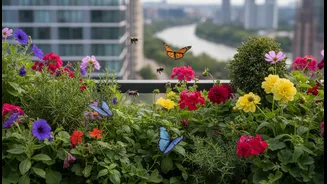
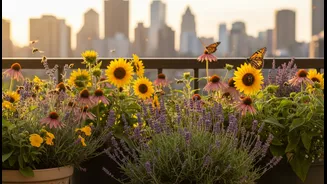
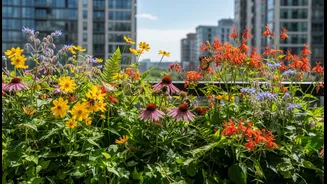
This is where the pollinator balcony comes in. It’s more than just a few pretty pots; it's a consciously created mini-habitat designed to support these vital species. By choosing the right plants and providing basic amenities, you can create a crucial pit stop for pollinators navigating the concrete jungle. A pollinator balcony offers a safe space for them to feed, rest, and thrive, especially in dense urban areas where natural food sources are scarce. It transforms your personal space into a functional part of a larger, city-wide ecological network, helping to stitch together fragmented green spaces.
Choosing the Right Plants for India
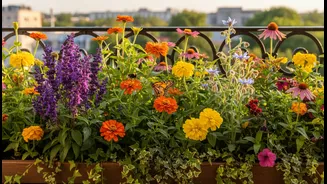
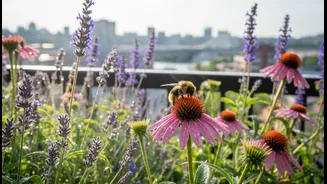
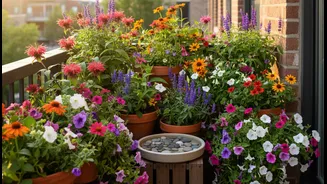
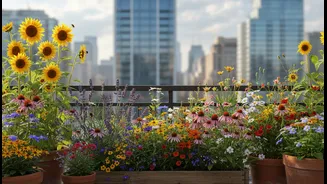
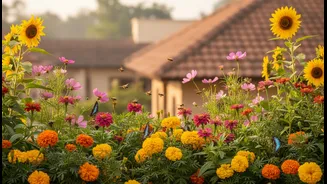
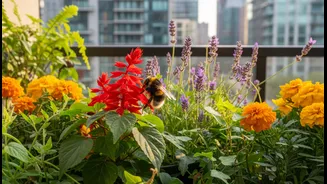
The key to a successful pollinator balcony is selecting plants that offer nectar and pollen. In India, you have a wealth of options that are both beautiful and beneficial. Bright, easy-to-grow Marigolds (Genda) are a top choice, attracting bees and butterflies with their vibrant colours. Sacred Basil (Tulsi) is not only a staple in many households but its flowers are also a magnet for bees. Other excellent choices include the cheerful Cosmos, hardy Salvia, and fragrant Lavender, all of which are known to attract a variety of pollinators. For a splash of colour, consider Petunias and Zinnias. Don’t forget herbs like Mint and Rosemary; their small flowers are irresistible to many beneficial insects. Planting in clusters makes it easier for pollinators to spot them from above.
More Than Just Flowers
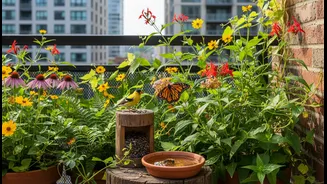
A complete pollinator haven provides more than just food. A shallow dish of water with pebbles or marbles allows bees and butterflies to drink safely without the risk of drowning. It’s also crucial to avoid chemical pesticides and herbicides, which can be harmful or fatal to visiting insects. Opt for organic alternatives like neem oil or natural compost to keep your plants healthy. You can also create shelter by allowing some plants to go to seed or by installing a 'bee hotel'—a small structure with hollow stems that provides nesting sites for solitary bees. These small additions make a huge difference in creating a truly welcoming environment.
The Benefits Bloom for You, Too
While you’re helping save local pollinator populations, you’ll discover the rewards are just as personal. A pollinator balcony adds immense beauty and life to your home. The presence of pollinators can lead to healthier, more robust plants and even help with natural pest control. Apartment gardening has also been linked to reduced stress levels, offering a therapeutic escape from the hustle of city life. Watching a butterfly land on a flower you planted or hearing the gentle buzz of a bee provides a profound connection to nature, right outside your window. It’s an opportunity to observe, learn, and actively participate in the ecosystem around you.