




Setting Up for Success: Pots and Soil
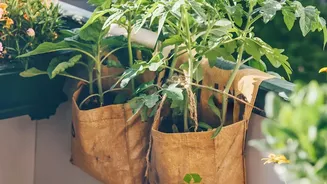
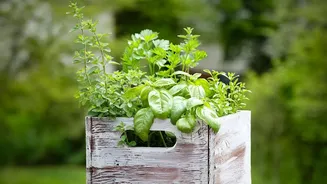
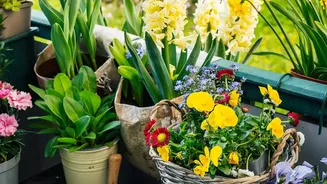
The foundation of a thriving balcony garden is the right container and soil. Choose pots that are at least 8-10 inches in diameter to give roots ample space. Drainage is crucial; ensure your pots have holes at the bottom to prevent waterlogging, which
can lead to root rot. For the soil, a well-draining potting mix is your best bet. Look for a mix containing cocopeat for moisture retention, and perlite or sand for aeration. Many ready-made potting mixes available in India are formulated with red soil and vermicompost, providing essential nutrients for healthy growth. Avoid using heavy garden soil, which compacts easily in pots and can choke the roots.
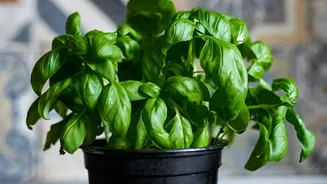
Basil: The King of Herbs
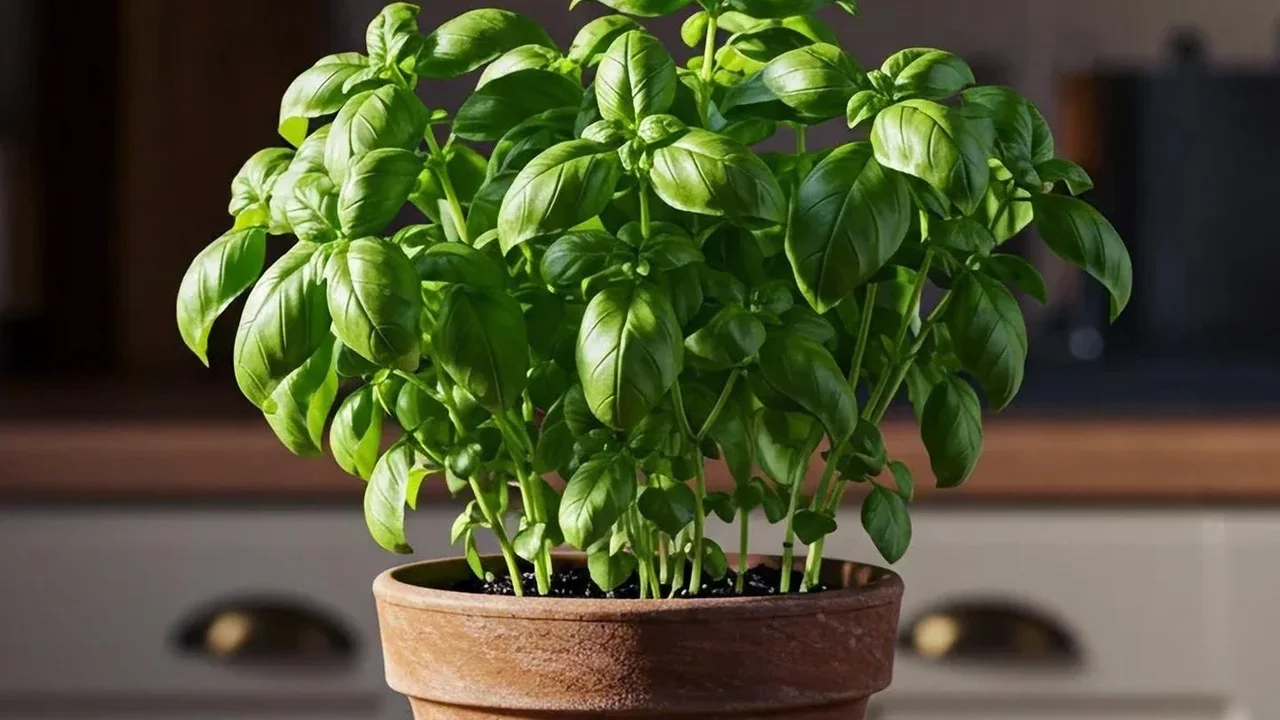
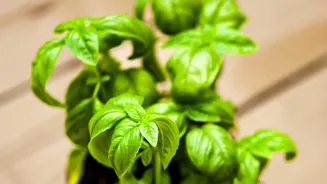
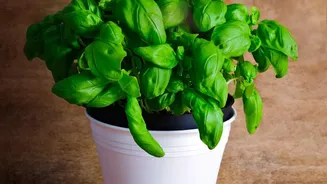
Basil, or Tulsi, is a staple in many kitchens and loves warmth and sun. It requires at least five to six hours of sunlight daily, but be careful of the harsh afternoon sun which can scorch its delicate leaves. An east-facing balcony that gets gentle morning sun is often ideal. Water your basil plant regularly, aiming to keep the soil consistently moist but never soggy. A good rule is to water when the top inch of soil feels dry. To encourage a bushier plant with more leaves, pinch off the top set of leaves regularly. This prevents the plant from flowering too early and putting its energy into seed production instead of leaf growth.
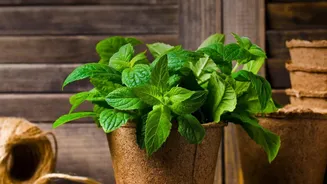
Mint: The Vigorous Spreader
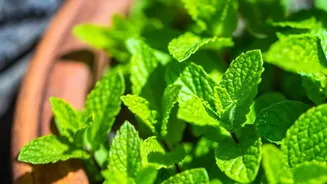
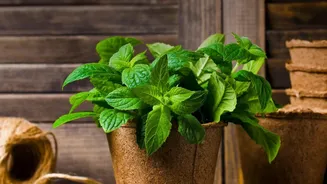
Mint is famously easy to grow, but it's an aggressive spreader. Its runners will quickly take over any space, which is why growing it in a container is the perfect way to keep it under control. A pot with a 10 to 12-inch diameter is a good starting point. Mint prefers soil that is kept consistently moist and thrives in areas with morning sun and some afternoon shade. Harvest your mint frequently by snipping stems from the top. This not only gives you fresh leaves for your chai or chutneys but also encourages the plant to become fuller and more productive.
Curry Leaves: The Fragrant Essential
The curry leaf plant (Meetha Neem) is a small tree that loves sunshine and is well-suited to our warm climate. For it to flourish on a balcony, it needs a spot where it can receive at least six to eight hours of direct sunlight. It prefers well-draining soil and dislikes being waterlogged. Let the top inch or two of the soil dry out before watering thoroughly. During the winter, you can reduce watering. To promote a bushier shape and prevent the plant from becoming tall and sparse, prune the tips of the branches regularly. You can feed your plant with a balanced organic fertiliser or compost tea once a month during its growing season to encourage lush, healthy leaves.
General Care and Troubleshooting
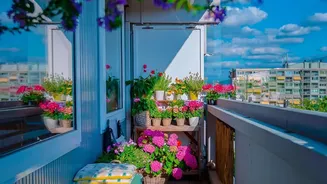
The key to a successful balcony garden is observation. Pay attention to how much sunlight different parts of your balcony get throughout the day to find the perfect spot for each plant. Yellowing leaves can be a sign of overwatering or poor drainage, while leggy plants might indicate a need for more light. Pests can sometimes be an issue, but good air circulation between your pots can help prevent problems like fungal diseases. Start small with these three herbs, learn their needs, and you'll soon gain the confidence to expand your green corner. Enjoy the process and the immense satisfaction of cooking with ingredients you've grown yourself.