







What Is Movement-Based Fitness?
Forget isolating your biceps for an hour. Movement-based fitness, often called 'movement culture', is a philosophy that prioritises the body's overall capacity to move with skill, grace, and strength. It's less about building specific muscles and more
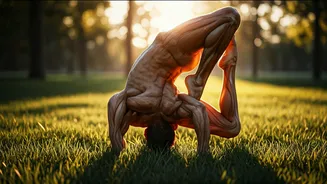
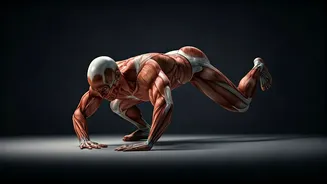
about developing a diverse 'movement diet'. Think of it as the difference between learning a few isolated words and becoming fluent in a language. Instead of just doing pull-ups, you learn to climb. Instead of a leg press machine, you practice pistol squats and jumping. This approach integrates elements from various disciplines like gymnastics, dance, martial arts, parkour, and even yoga, focusing on fundamental human movements: crawling, climbing, balancing, lifting, and running.
From Aesthetics to Ability
One of the biggest drivers of this trend is a changing definition of 'fit'. The gym-only mindset has often been heavily tied to aesthetics—achieving a certain look, a six-pack, or bigger arms. While there's nothing wrong with these goals, the movement-based approach shifts the focus from how your body looks to what it can do. The new goal is functional competence and physical autonomy. Can you lift a heavy suitcase into an overhead bin with ease? Can you play on the ground with your kids or pets without your knees aching? Can you run for the bus or climb a low wall if you need to? This reframe from aesthetics to ability feels more empowering and sustainable for many, connecting fitness to the practical demands and joys of everyday life.
Why This Shift Is Happening Now
Several cultural currents are feeding this trend. After years of being confined indoors and tethered to screens, there's a collective yearning for more tangible, real-world experiences. The monotony of repetitive gym routines can feel disconnected from the dynamic chaos of life. Movement culture offers an antidote: it's playful, creative, and requires problem-solving. Furthermore, the rise of social media has given visibility to incredible movement artists and practitioners who demonstrate what the human body is capable of, inspiring millions to see fitness not as a chore, but as a form of self-expression and exploration. It challenges the idea that you need a costly membership and specialised equipment to be strong.
The World Becomes Your Gym
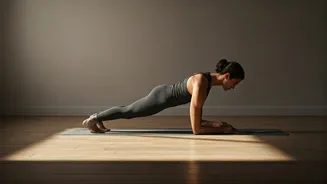
A core tenet of movement-based fitness is that your environment is your playground. A park bench isn't just for sitting; it's for box jumps and balance drills. A sturdy tree branch is a natural pull-up bar. The floor of your living room is the perfect place to practice 'animal flow' movements—graceful, ground-based sequences that build strength and mobility. This mindset liberates fitness from the four walls of the gym. It encourages you to see opportunities for movement everywhere, integrating physical activity seamlessly into your day rather than scheduling it as a separate, often dreaded, appointment. In India, this thinking resonates with the long-standing traditions of akhadas and kalaripayattu, which have always used natural environments and bodyweight to build formidable strength and skill.
Is the Gym Obsolete?
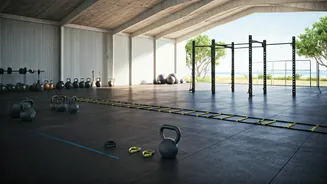
So, is it time to cancel your gym membership? Not necessarily. The headline's claim of 'replacing' is strong; a more accurate term might be 'expanding' or 'challenging'. The gym is still an incredibly useful tool, especially for targeted strength training, rehabilitation, or simply for people who enjoy the structured environment. The true evolution is in the thinking. Instead of seeing the gym as the only place for fitness, it's now seen as one tool in a much larger toolbox. A modern, holistic fitness routine might include two days of heavy lifting at the gym, a weekend trek, a weekly dance class, and daily mobility work at home. The goal is no longer just 'working out' but cultivating a rich and varied movement practice.