



Why Pumpkin is a Superfood for Dogs
Before you dismiss it as just a trendy ingredient, it’s worth knowing that plain pumpkin is a genuine superfood for canines. It’s packed with nutrients and fibre, making it fantastic for your dog's digestive system. The soluble fibre in pumpkin can help
with both diarrhoea and constipation by absorbing excess water or adding bulk to stool. It’s also loaded with vitamins like A, C, and E, which support vision, immune health, and fight free radicals. However, the most important rule is to use only 100% pure pumpkin puree. Never use pumpkin pie filling or sweetened pumpkin products. These often contain sugar, spices like nutmeg, and sometimes xylitol, an artificial sweetener that is extremely toxic to dogs. Always check the label to ensure it contains nothing but pumpkin.
Enrichment: The Secret to a Calm Canine
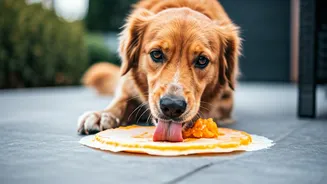
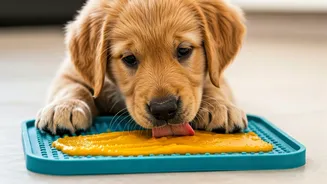
While the cooling aspect of a frozen treat is an obvious benefit, especially during India’s sweltering summers, the real magic lies in the act of eating it. Providing your dog with a frozen treat is a form of enrichment. Enrichment activities are designed to provide mental stimulation, prevent boredom, and allow dogs to engage in natural behaviours. The act of licking is a self-soothing behaviour for dogs. When they have to lick and gnaw at a frozen treat to consume it, they are not just getting a snack; they are engaging in a focused, calming activity. This mental workout can be just as tiring as a physical one, making it a perfect solution for a dog who is too keyed-up to settle down or for days when a long walk in the heat isn't possible. It channels their energy into a productive, quiet task.
The Basic Frozen Pumpkin Treat Recipe
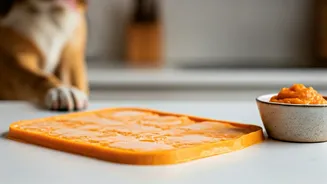
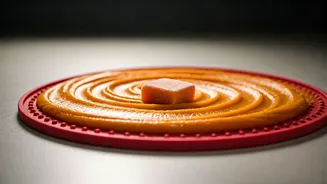
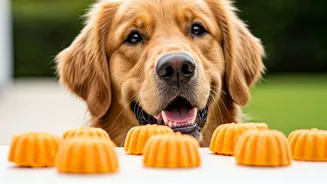
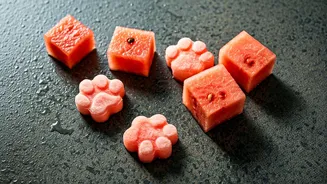
Making these treats couldn't be simpler. You only need a few basic items, and the process takes just a few minutes before you pop them in the freezer. **What You’ll Need:** - 1 can of 100% pure pumpkin puree - A silicone ice cube tray or mould (flexible material makes it easier to pop the treats out) - Water or plain, unsalted bone broth (optional) **Instructions:** 1. **Prepare the Puree:** Open the can of pumpkin puree and stir it to ensure a smooth consistency. If the puree is very thick, you can mix in a tablespoon or two of water or bone broth to make it easier to spoon into the moulds. 2. **Fill the Moulds:** Carefully spoon the pumpkin puree into the sections of your silicone ice cube tray. Fill each section to the top, but try not to overfill. 3. **Freeze:** Place the tray on a flat surface in your freezer. Let the treats freeze solid, which usually takes about 3-4 hours, depending on the size of your moulds and the temperature of your freezer. 4. **Store:** Once frozen, you can pop the pumpkin cubes out of the tray and store them in a freezer-safe bag or container. This frees up your tray to make another batch!
Easy and Healthy Variations
The basic recipe is fantastic on its own, but you can easily customise it to add more nutrients or cater to your dog's preferences. Here are a few safe and popular additions: - **Add Plain Yoghurt:** If your dog tolerates dairy, mixing in a few tablespoons of plain, unsweetened yoghurt adds probiotics for gut health. You can layer pumpkin and yoghurt for a beautiful two-toned treat. - **Mix in Peanut Butter:** A classic dog-favourite. Add a spoonful of xylitol-free peanut butter to the pumpkin mix. The sticky texture adds another layer of enrichment as your dog works to lick it clean. - **Include a Banana:** Mash half a banana and mix it with the pumpkin puree. Bananas are a good source of potassium and vitamins. - **Use Bone Broth:** Instead of water, use unsalted, onion-free bone broth as your liquid. It adds extra flavour and nutrients that support joint health.
Serving Size and Safety First
Treats should always be given in moderation and should make up no more than 10% of your dog’s daily caloric intake. Pumpkin is healthy, but too much of a good thing can cause digestive upset. A good rule of thumb is one or two small frozen cubes per day for a medium-sized dog. For smaller dogs, one cube might be enough, while larger breeds can have a little more. Always supervise your dog when they are eating a frozen treat to prevent any choking hazards, especially if they are a known gulper. As with any new food, introduce these treats slowly to ensure they agree with your dog's system. If you have any concerns about your dog's diet or health, it is always best to consult with your veterinarian before introducing new foods.