






Understanding the Terms: What Are Dvadasi and Vishakha?
Before diving into why they're trending, let's break down the basics. In the Hindu lunar calendar, time is cyclical, divided into 'tithis' (lunar days) and 'nakshatras' (lunar mansions or star constellations). Dvadasi is the twelfth tithi of either the waxing
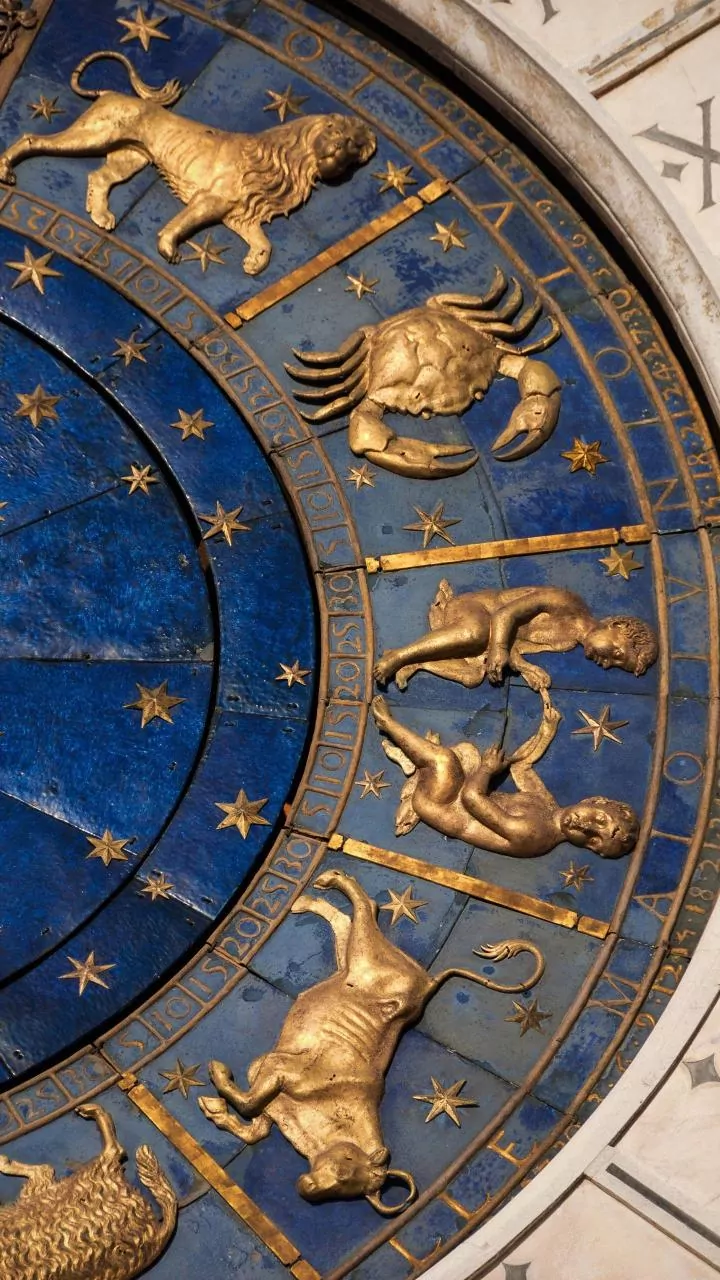
(Shukla Paksha) or waning (Krishna Paksha) phase of the moon. It is generally considered an auspicious day, often associated with the worship of Lord Vishnu and seen as favorable for religious ceremonies and upholding commitments. Think of it as a day with a clean, disciplined energy, ideal for finishing tasks and making steady progress. Vishakha, on the other hand, is the 16th of the 27 nakshatras. Known as the “Star of Purpose,” it spans the zodiac signs of Libra and Scorpio. Its ruling deities are Indra (the king of gods) and Agni (the fire god), a combination that gives people born under this star qualities of determination, courage, and leadership. Those with Vishakha influence are often described as ambitious, goal-oriented, and possessing a one-pointed focus to achieve their aims.
The Cosmic Combination
In Vedic astrology, a day is defined by the prevailing tithi and nakshatra. So, a day that is a Dvadasi falling when the moon is in the Vishakha nakshatra creates a specific energetic cocktail. For instance, the disciplined, duty-focused energy of Dvadasi combines with the ambitious, goal-oriented nature of Vishakha. This could be interpreted as a powerful day for making significant commitments towards a major goal, whether it’s launching a project, starting a new health regimen, or making a presentation. For those who follow astrology, such combinations are not just dates on a calendar but windows of opportunity, where the cosmic weather is favorable for certain actions.
Why Is This Capturing Youthful Imagination?
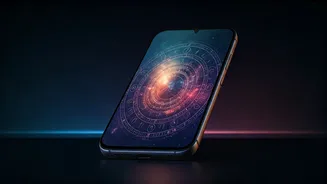
The renewed interest isn't happening in a vacuum. A major driver is the digital revolution. Astrology has been repackaged for the tech-savvy generation, moving from family almanacs to sleek smartphone apps and Instagram reels. Platforms like AstroTalk and AstroSage offer instant, personalized insights, making ancient concepts accessible and engaging for a generation used to immediate answers. This boom is also fueled by a deeper search for meaning. In a world marked by economic uncertainty, career pressures, and digital-age loneliness, many young Indians are looking for a sense of direction. Astrology, with its frameworks for self-discovery, offers a language to understand one's personality, strengths, and life path—much like a spiritual Myers-Briggs. It provides a sense of certainty and reassurance in chaotic times.
From Superstition to Self-Care
For many young Indians, the engagement with astrology is less about rigid superstition and more about a form of wellness or self-care. It's a tool for introspection and personal growth. A 2024 study highlighted that 51% of young Indians check astrological insights daily, and 75% use it for guidance in relationships. The trend is also powered by the visibility of celebrities and influencers who openly embrace spirituality, making it aspirational. Instead of being seen as outdated, these practices are now part of a modern lifestyle, blending tradition with a contemporary quest for identity and purpose. It's no longer just about predicting the future; it's about navigating the present with greater self-awareness.