

The Healthier Snacking Promise
The primary advantage of an air fryer is its significant reduction in oil usage. A traditional deep-fried samosa is submerged in hot oil, absorbing a large amount of fat. An air-fried samosa, by contrast, needs only a light brush or spray of oil to achieve
a crispy texture. This simple change has a massive impact on the nutritional profile. A medium-sized deep-fried samosa can contain 250-300 calories and 15-18 grams of fat. The same samosa made in an air fryer can have as few as 180 calories and just 5-8 grams of fat. That represents a calorie reduction of up to 40% and a fat reduction of nearly 60-70%. This is because the air fryer is essentially a compact convection oven, circulating hot air at high speed to cook the food, not a fryer in the traditional sense. This makes it a genuinely healthier alternative for satisfying a craving without derailing your health goals.
What 'Clean Eating' Really Means Here
The term 'clean eating' generally refers to consuming foods in their most natural, unprocessed state—think whole fruits, vegetables, and grains. Samosas and pakoras, with their processed flour and fried nature, don't typically fit this definition. However, applying a 'cleaner' approach is about making better choices where possible. Shifting from deep-frying to air-frying is a significant step in that direction. You are not just cutting fat and calories; you're also potentially reducing the formation of harmful compounds like acrylamide, which can form during high-temperature frying. While an air-fried samosa isn't a health food, it is a much cleaner, less processed version of the original. It allows for indulgence with more control over ingredients and a far lighter end product.
Mastering the Air-Fried Samosa
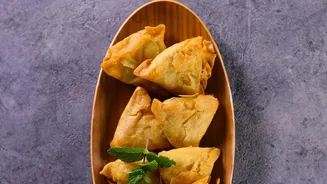
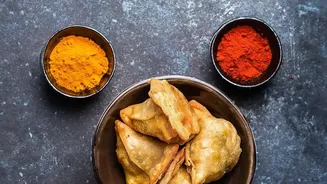
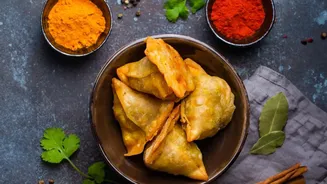
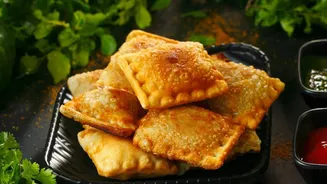
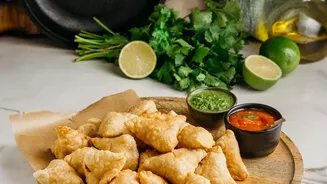
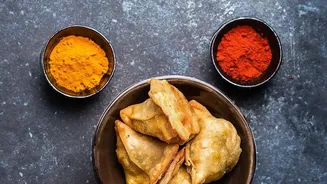
Achieving that perfect golden, crispy shell on an air-fried samosa is an art, but it’s easy to learn. First, don’t overcrowd the basket; the hot air needs space to circulate for even cooking. Always place samosas in a single layer. Second, a little oil is your friend. While you're not deep-frying, brushing or spraying the samosas lightly with oil is crucial for getting a crisp, golden-brown crust rather than a dry, pale one. A common temperature is around 180-200°C. Cook for about 12-15 minutes, flipping them halfway through to ensure both sides are equally crispy. If you’re making your own, ensure the filling is cooled completely before stuffing the pastry to prevent the dough from becoming soggy. For reheating, the air fryer is also a champion, restoring a leftover samosa to its original crispy glory in just a few minutes.
The Trick to Crispy Air-Fried Pakoras
Pakoras present a unique challenge because of their wet batter. The key to success is getting the batter consistency right. It needs to be thick, not runny, so it clings to the vegetables without dripping through the air fryer basket. Adding a tablespoon of rice flour to your besan (gram flour) batter can also enhance crispiness. When you're ready to cook, preheat the air fryer and consider using a perforated parchment paper liner to prevent sticking. Drop flattened, patty-like shapes of the batter into the basket, making sure not to overcrowd it. Spray the tops with a little oil. Air fry at around 180°C for 12-14 minutes, flipping them about halfway through the cooking time. The result will be surprisingly crunchy fritters without the greasiness of their deep-fried cousins.
Managing Expectations: Taste and Texture
It’s important to be realistic: an air-fried snack will not taste identical to its deep-fried original. Deep-frying creates a unique, rich flavour and a flaky, bubbly crust that an air fryer can't perfectly replicate. Air-fried versions are generally described as lighter and having a crispness that is slightly drier and less rich. The flavour of the filling will be just as delicious, but the pastry or batter's mouthfeel will be different. However, many people come to prefer this lighter texture. You get the satisfying crunch and savoury flavour without the heavy, oily feeling afterwards. It’s a trade-off that millions have found worthwhile for the considerable health benefits and the freedom to enjoy these snacks more regularly.