






The Old Guard Steps Down
For decades, government meetings and canteen breaks have been synonymous with comforting, yet unhealthy, snacks. Plates of hot samosas, batata vadas, pakodas, and biscuits were standard issue, often accompanied by sugary tea. While beloved, these items
are frequently high in unhealthy fats, salt, and refined carbohydrates. A Government Resolution (GR) issued by the state's Public Health Department aims to phase out these ultra-processed foods. The move is a direct response to the rising incidence of lifestyle diseases and a desire for the government to lead by example in promoting healthier habits among its employees.
What’s On the New Menu?
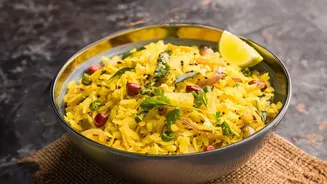
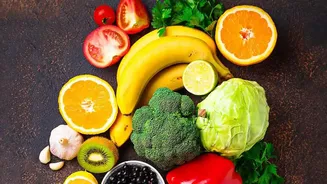
The new menu is a complete departure from the old, focusing on fresh, local, and nutritious options. For short meetings, the directive suggests serving seasonal fruits, roasted or boiled chickpeas, peanuts, sprouts, boiled eggs, nuts, and seeds. Other light refreshments include vegetable poha and idli-sambar. Beverages are also getting a makeover, with coconut water, buttermilk, solkadhi, unsweetened milk, and green or herbal tea replacing sugary drinks. For longer, full-day programs, the menu is even more extensive, featuring traditional Maharashtrian staples like jowar, bajra, or ragi bhakri, multigrain chapatis, hand-pounded rice, dal, and usal. Meals will be prepared with limited oil and accompanied by salads and curd, with fruit offered as a dessert alternative to sweets.
The Driving Force for Change
This culinary shift is rooted in serious public health concerns. The Public Health Department has cited the alarming rise of non-communicable diseases (NCDs) such as diabetes, hypertension, obesity, and heart disease as a primary motivator. These conditions are linked to changing lifestyles, sedentary work, stress, and poor dietary habits, including the high consumption of processed foods. By implementing this policy, the government aims to make a healthy lifestyle an integral part of its employees' daily lives. The directive will apply to all government departments, municipal corporations, and government-aided bodies, and new catering contracts must include provisions for the healthy menu. The new food options will be designed in line with guidelines from the Indian Council of Medical Research-National Institute of Nutrition (ICMR-NIN) and the Food Safety and Standards Authority of India (FSSAI).
Leading by Example
The initiative is more than just a dietary guideline; it's a symbolic statement. The government intends to 'nudge' its entire workforce towards a more wholesome diet, hoping to spark a similar cultural shift in wider society. To ensure transparency and awareness, the government has also mandated that canteens display nutritional information for the food being served. This move has already been piloted in the Mantralaya canteen, which has successfully reduced the availability of oily snacks and introduced healthier alternatives like fruits, boiled eggs, and salads. The decision, cleared by the state cabinet, signals a top-down commitment to workplace wellness and preventative health, making the administration a practitioner of the public health advice it promotes.