





More Than Just Muddy Paws
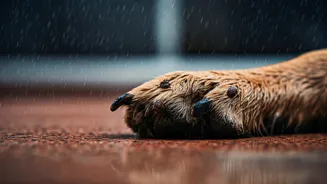
It’s easy to dismiss the need for a clean-up unless you see visible dirt or mud. However, your dog's paws are like little sponges, picking up more than just what the eye can see. [14] During a typical walk, their pads come into contact with a host of
invisible threats. These can include bacteria like Salmonella and E. coli from animal waste, allergens like pollen that can trigger reactions in both pets and humans, and chemical residues from pesticides or fertilizers used on lawns. [4, 8] In urban and suburban areas, remnants of road salt and other chemicals can also cling to their paws, which can be toxic if ingested during self-grooming. [2] This simple act of licking their paws means your dog could be consuming harmful substances, leading to potential skin infections, allergic reactions, or gastrointestinal issues. [2, 5]
The Five-Minute Paw-Cleaning Ritual
Making paw cleaning a non-negotiable part of your routine after every walk is the first step. [2] For a quick and convenient daily clean, pet-safe wipes are an excellent option. [15] They are specifically formulated to be gentle on your pet's skin and are free from harsh chemicals like alcohol that can be found in baby wipes. [15] Alternatively, a simple damp cloth with lukewarm water can be just as effective for light dirt. The key is to be thorough: gently wipe each paw, ensuring you clean between the toes and around the pads where debris loves to hide. [6] For muddier adventures, a basin of lukewarm water and a dab of pet-safe shampoo might be necessary. [2] Always dry their paws completely afterwards, as lingering moisture can lead to fungal or bacterial growth. [15]
Setting Up Your Cleaning Station
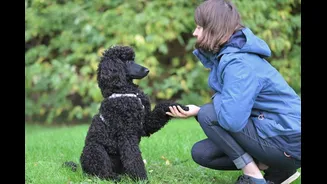
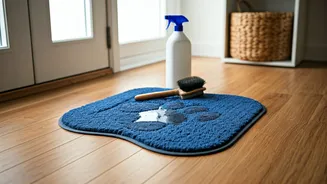
The secret to consistency is convenience. Create a dedicated cleaning station by your entryway so that the post-walk clean-up becomes an automatic habit rather than a chore. Your station should be stocked with your essentials. [6] This might include a small, absorbent towel specifically for your pet, a pack of pet-safe paw wipes, a spray bottle with a water and vinegar solution for a quick deodorizing spritz, and maybe a paw washer for those extra-dirty days. [10, 13] Having everything in one place eliminates the frantic search for supplies while your dog is eager to run through the house. Training your dog to wait patiently on a mat by the door for their 'paw-dicure' can also turn this routine into a moment of calm connection before re-entering the home. [13]
Choosing Pet-Safe Products
The market is flooded with cleaning products, but not all are created equal—or safe for your pet. Always opt for products specifically designed for animals. Human shampoos, soaps, and disinfectants can be harsh on a dog's skin, stripping natural oils and causing irritation. [10] When choosing wipes or shampoos, look for gentle, hypoallergenic formulas with natural ingredients like aloe vera or chamomile. [7, 5] For household cleaning, consider DIY solutions like a mix of vinegar and water, which is a powerful, non-toxic cleaner. [12, 17] Remember, your pet grooms itself by licking, so any chemical residue left on their fur or paws will end up in their system. [2] Reading labels carefully and prioritizing pet-safe ingredients is paramount for their long-term health.
Health Checks in Disguise
Think of the daily paw-cleaning routine as a mini health check. This daily hands-on moment is a perfect opportunity to inspect your pet's paws for any issues you might otherwise miss. [4] As you clean, check for cuts, cracks, thorns, or small pebbles lodged between the pads. [4, 6] Look for any signs of redness, swelling, or irritation, which could indicate an infection or allergic reaction. [4] This is also a good time to check for ticks, which can hide between toes and transmit diseases like tick fever, a significant concern in India. [18, 16] By being proactive and observant, you can catch minor problems before they escalate into more serious, painful, and expensive health issues for your beloved companion.