





India's massive textile industry is at a crossroads, balancing the needs of domestic cotton farmers with the global ambitions of its apparel exporters. Recent shifts in cotton import policy are at the heart of this complex economic puzzle.
The Core of the Issue: A Domestic Shortfall
The primary
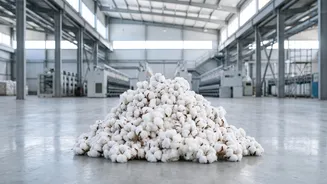
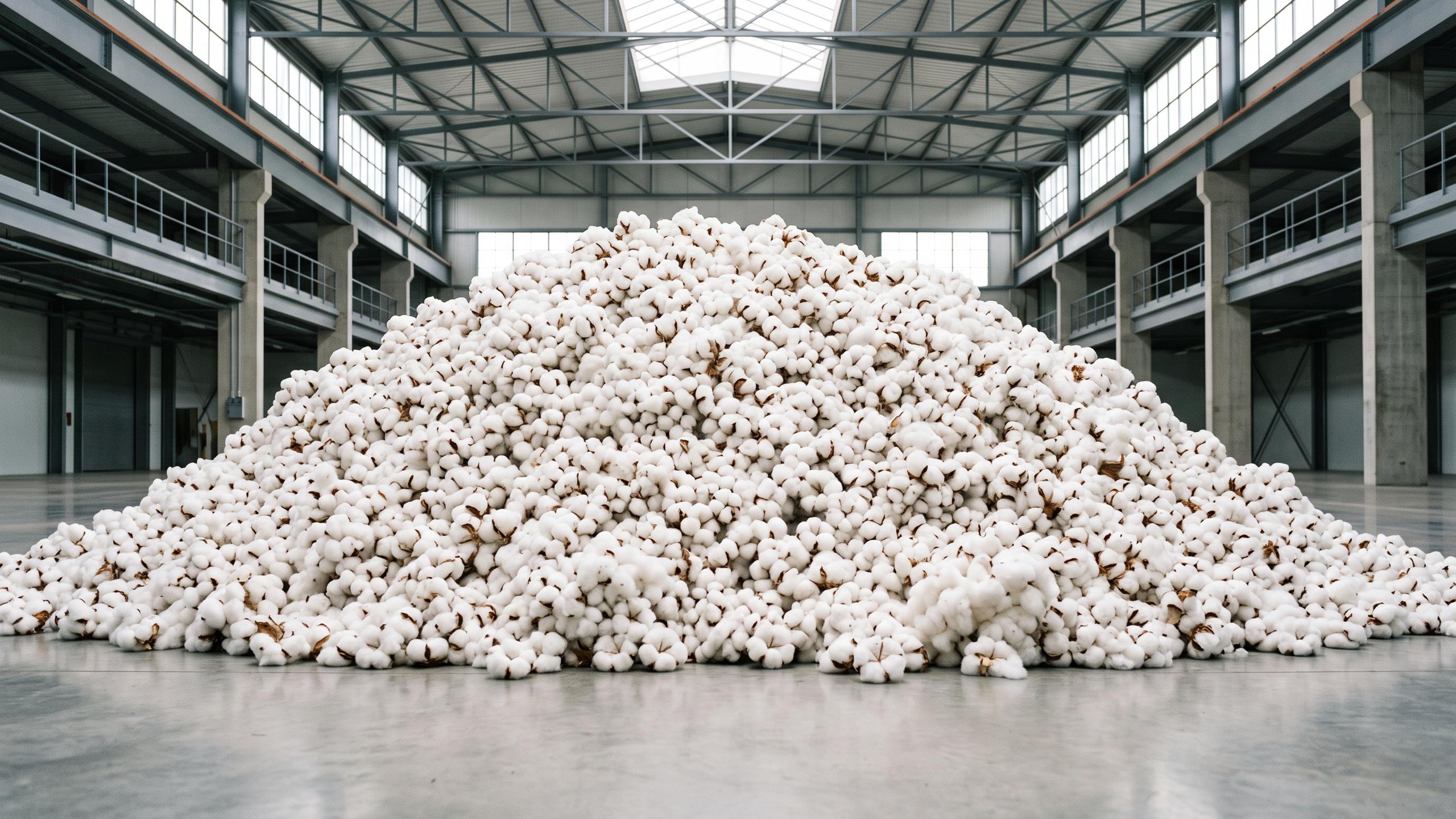
driver behind the recent policy discussions is a looming gap between cotton supply and demand within India. For the 2026-27 season, industry estimates project that domestic cotton production might fall below 29 million bales, while the textile industry's demand is expected to exceed 34 million bales. This shortfall, attributed to factors like patchy monsoon rains and the use of outdated seed technology, has kept domestic cotton prices firm. Prices have remained above ₹9,000 per 100 kg, which is higher than the government's minimum support price (MSP) of ₹8,717 for the new season. High raw material costs directly impact the final price of everything from yarn and fabric to finished garments, making it harder for Indian exporters to compete.
Government's Policy Lever: The Import Duty Waiver
To address the rising costs and supply crunch, the Indian government took a significant step. It waived the 11% customs duty on raw cotton imports for a five-month period, from June 1 to October 31, 2026. This move was designed to ease the pressure on textile mills by allowing them to source cotton from international markets like the US, Brazil, and Australia without the added tax burden. As the October deadline approached, with domestic prices still high, industry bodies like the Confederation of Indian Textile Industry began lobbying for an extension. Reports as of late October 2026 indicate the government is expected to extend the duty-free import window until the end of December to further support the sector.
The Exporters' Perspective
For apparel exporters, access to competitively priced raw materials is critical. The duty-free import window is seen as a vital lifeline. It not only helps lower production costs but also provides access to different grades and qualities of cotton that may be required to meet the specific standards of international buyers. Industry representatives argue that this policy helps level the playing field against major competitors like Bangladesh and Vietnam, which often benefit from lower input costs or preferential trade agreements. India's apparel exports have long lagged behind these neighbours; in 2025, India exported around $16.3 billion worth of apparel, while Bangladesh and Vietnam reported significantly higher figures. Reducing the cost of a primary raw material is considered a fundamental step toward closing that gap.
A Complicated Balancing Act
While exporters celebrate lower costs, the policy is not without its complexities. The government's core challenge is to balance the interests of the downstream textile industry with those of millions of domestic cotton farmers. An extended period of duty-free imports could put downward pressure on the prices farmers receive for their crops, especially as the new season's arrivals pick up. Furthermore, the actual benefit of imports can be limited by other market forces. Higher global cotton prices, elevated international freight costs, and a weaker rupee can offset some of the savings from the duty waiver, potentially limiting the volume of imports. Despite a 63% year-on_year increase in cotton imports between April and September 2026, these external factors remain a significant constraint.
The Bigger Picture for 'Make in India'
The debate over cotton duties is a microcosm of the larger strategic questions facing India's manufacturing ambitions. To achieve its target of $100 billion in textile exports by 2030, the nation must enhance its competitiveness across the entire value chain. This involves not just managing raw material costs but also addressing structural issues like fragmented production, high logistics costs, and a slower shift toward man_made fibres compared to rivals. Experts suggest the real opportunity lies in increasing the export of value_added products like fabrics and garments, rather than raw commodities like fibre and yarn. Policy changes like the cotton import duty waiver are a targeted intervention, but they form just one part of a much larger industrial strategy needed to make Indian apparel a dominant force on the world stage.