


Understanding Pet Anxiety
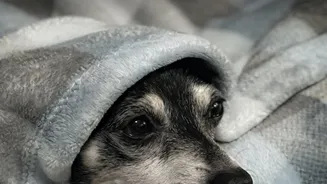
Shyness in a pet isn't a character flaw; it’s an expression of fear or anxiety. This behavior can stem from several sources, including genetics, a lack of socialization during their early weeks, or past negative experiences. Some animals are simply born
with a more cautious personality. They aren't being stubborn when they hide under the bed or refuse to approach a visitor. They are communicating that they feel overwhelmed and unsafe. Forcing them into a situation they perceive as threatening doesn't teach them to be brave; it only confirms their fear that the world is a scary place.
The Problem with Social Tests
Many well-meaning owners believe that exposing their shy pet to the things they fear will help them overcome it. This approach, often called “flooding,” can seriously backfire. Imagine being terrified of spiders and having someone lock you in a room full of them. You wouldn't emerge cured; you'd be more traumatized. The same principle applies to your pet. Forcing them to interact with a loud guest or an overly boisterous dog can heighten their anxiety and may even lead to aggression as a last resort. It erodes the trust they have in you to keep them safe, making it harder to build their confidence in the long run. True socialization is about creating positive experiences, not forcing exposure.
How to Read the Signs of Stress
Learning to recognize when your pet is uncomfortable is the first step to helping them. These signals can be subtle and are often mistaken for other behaviours. For dogs, signs of stress include yawning when not tired, excessive lip licking, a tucked tail, flattened ears, and avoiding eye contact. Cats show stress by hiding, freezing in place, having wide, dilated pupils, twitching their tail, or over-grooming. If you see these signs, it's your pet's way of saying, “I’m not okay with this situation.” Acknowledging these cues is crucial to managing their anxiety effectively.
Designing the Perfect Escape Route
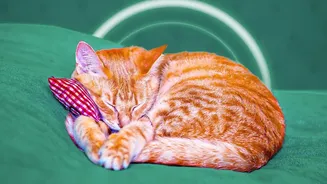
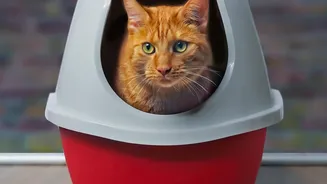
Every shy pet needs a sanctuary—a place where they know they will not be disturbed. This safe space is non-negotiable. For a dog, this could be a crate with a comfortable bed and a blanket draped over it to create a den-like feel. For a cat, it might be a tall cat tree with an enclosed cubby, a shelf in a quiet room, or even just a designated cardboard box. This area should have everything they need: water, perhaps a favorite toy, and it must be located away from high-traffic zones in your home. Teach family members and guests that when the pet is in their safe space, they are off-limits. This predictability helps your pet know they have control and can retreat when things get too much.
Managing Visitors and Social Events
Instead of putting your pet on the spot, prepare for social situations ahead of time. Before guests arrive, place your pet in their safe space with a special long-lasting treat or a puzzle toy. This helps create a positive association with being in their sanctuary. Inform your guests about your pet's shyness. A simple, “Fluffy is a bit shy, so we’re letting her relax in her room. Please don’t try to coax her out,” sets clear expectations. If your pet does choose to venture out, let it be on their terms. Ask guests to ignore them initially, avoiding direct eye contact, loud noises, or sudden movements, which can be intimidating. Allow your pet to approach, sniff, and retreat as they feel comfortable.
Building Confidence Through Patience
Helping a shy pet is a marathon, not a sprint. The goal is to build their confidence slowly through positive reinforcement. Reward calm and brave behaviour, no matter how small, with high-value treats and gentle praise. This could be for simply looking at a stranger from a distance without panicking. Keep interactions short and always end on a positive note. Never use punishment, as it will only increase fear. If your pet's anxiety is severe or leads to aggression, don't hesitate to consult a certified animal behaviorist or a veterinarian. They can provide a tailored plan to help your pet feel more secure in their world.