
The New Festive Table
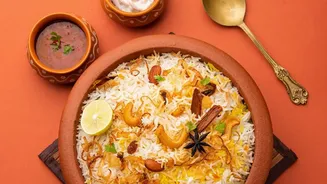
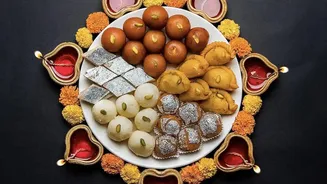
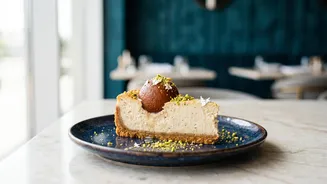
Across India, the festive spread is getting an exciting makeover. While the comfort of classic dishes like biryani and kheer remains, a new culinary language is emerging, one that speaks of both heritage and global curiosity. Imagine the familiar comfort of a gulab
jamun, but reimagined as a no-bake cheesecake in a jar. Or picture traditional tacos filled not with beans, but with spiced tandoori cauliflower or paneer. This trend isn't about replacing beloved recipes but enhancing them. It’s a creative dialogue between the past and the present, where a Motichoor Ladoo might find its way into a cheesecake and Italian pasta gets a desi twist with a makhani or tikka masala sauce. This fusion creates dishes that are both surprising and comfortingly familiar, appealing to a new generation of food lovers.
A Blend of Curiosity and Global Exposure
So, what's driving this change? A primary factor is increased global exposure. Through travel, the internet, and a constant stream of food shows and social media content, Indians are more connected to global food trends than ever before. This exposure sparks curiosity and a desire to experiment. Chefs are at the forefront, treating the kitchen like a laboratory where they can apply French techniques like sous-vide to perfect a mutton curry or use molecular gastronomy to create lighter versions of oily street food favourites. This innovative spirit is trickling down to home cooks, who are now more willing to experiment. The goal is often not just novelty, but also to adapt traditional dishes to modern palates, which may prefer lighter, more nuanced flavours.
From Star Chefs to Home Kitchens
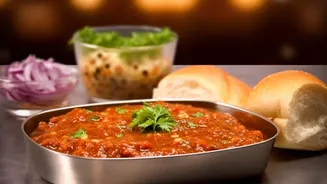
This culinary evolution is not confined to high-end restaurants in Delhi and Mumbai. Acclaimed chefs like Gaggan Anand and Garima Arora have gained global recognition for pushing the boundaries of Indian food, using local ingredients and innovative techniques to shatter stereotypes. Their work has inspired a wave of creativity. However, the real magic is happening in everyday kitchens. Food bloggers and home cooks are enthusiastically sharing their own fusion creations, from paneer bhurji stuffed shells and pav bhaji pasta to dal pakwan tostadas. The accessibility of global ingredients, from avocado and quinoa to different types of cheese, has empowered home cooks to add their own unique touch to festival staples, making the trend a widespread cultural phenomenon.
Iconic Dishes, Reimagined
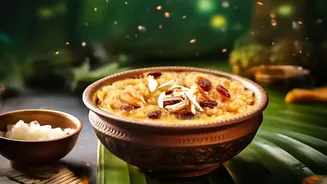
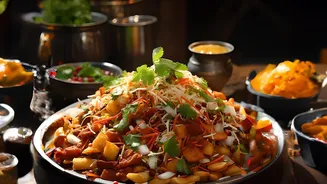
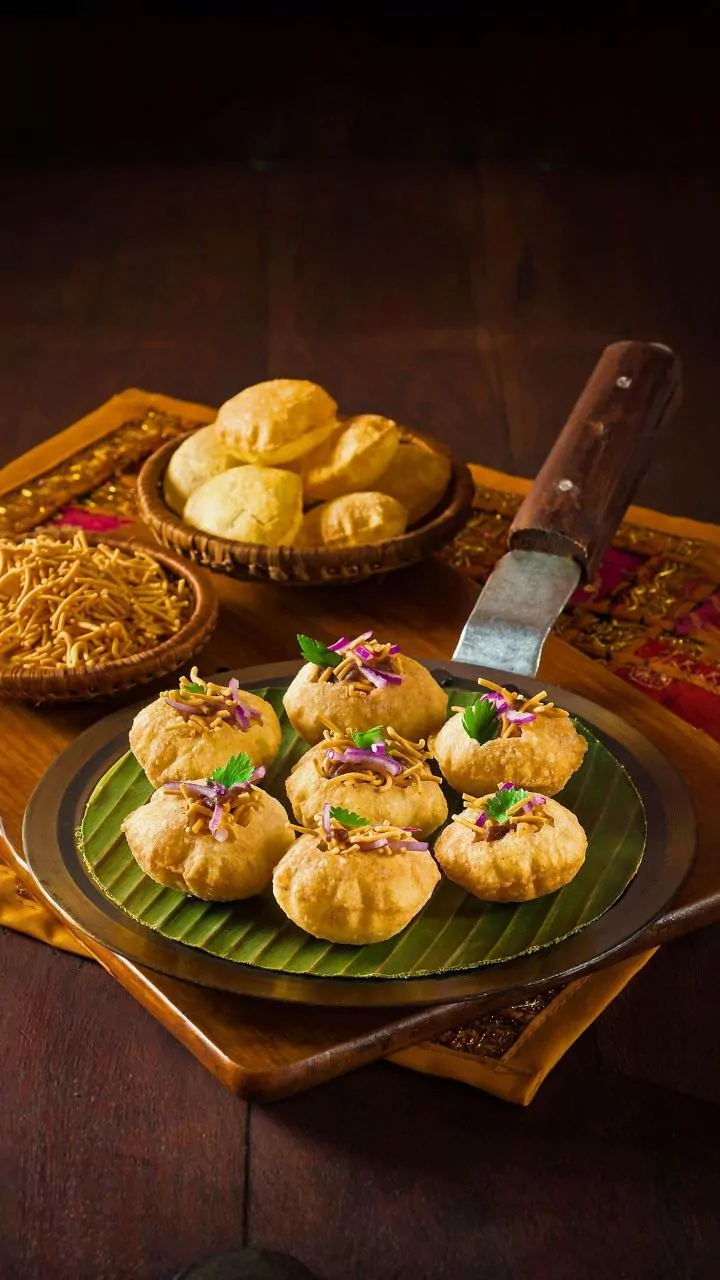
The beauty of this trend lies in how classic dishes are being thoughtfully reinvented. Take the humble kheer or payasam, a creamy rice pudding central to many celebrations. Modern interpretations might see it served as a sweet arancini or forming the base of a Kesar Pista Tiramisu. Chaat, the soul of Indian street food, is another fertile ground for innovation. One might find a paneer tikka and corn chaat or even a Mexican-inspired bhel puri. Even international dishes are being welcomed into the fold and given a distinctively Indian identity. Pizza gets topped with tandoori paneer, and burgers are infused with curry spices, creating a menu that is diverse, exciting, and deeply personal.
Tradition in Evolution
Some may wonder if this fusion dilutes the authenticity of traditional Indian food, which has a rich history tied to rituals and regional identity. However, proponents argue that this evolution is essential for keeping culinary traditions alive and relevant. The core idea is not to abandon the soul of Indian cooking—its complex spice blends and regional techniques—but to build upon it. By incorporating new elements, cooks are ensuring that these festive traditions continue to be passed down, creating new memories for a new era. It’s a sign of a confident culinary culture, one that respects its roots while eagerly embracing the future. This approach ensures that the festive table remains a place of joy, abundance, and delicious discovery for generations to come.