






Understanding the 7kg Hand Luggage Rule
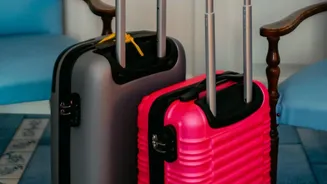
Before you can pack, you need to know the rules. For most domestic airlines in India, including IndiGo, SpiceJet, and Air India, the standard for economy class is one piece of cabin baggage weighing no more than 7 kilograms. Some airlines may also permit
a small personal item, like a laptop bag or purse, weighing up to 3kg. These rules are often strictly enforced, especially by low-cost carriers, with fees for overweight bags at the gate being quite steep. This 7kg limit is your battlefield, and smart packing is your strategy for winning the war against extra fees.
Vacuum Bags: A Traveller's Secret Weapon?
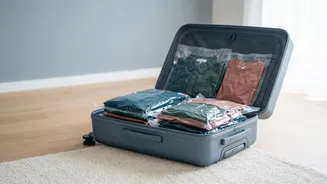
Enter the vacuum bag: a plastic, sealable bag that allows you to suck out all the air, compressing its contents. For travellers, this can seem like magic. Bulky items like sweaters, jackets, and blankets can be shrunk down to a fraction of their original size. This process of compression can free up an incredible amount of physical space in your suitcase, allowing you to fit more items into a small carry-on bag than you ever thought possible. There are two main types: those requiring a small hand pump or vacuum cleaner, and travel-specific bags that you can simply roll up to force the air out.
The Golden Rule: Volume vs. Weight
This is the most critical point to understand: vacuum bags reduce volume, not weight. While your fluffy jacket might now be as flat as a chapati, it still weighs exactly the same. It's incredibly easy to get carried away by the impressive space-saving and end up with a bag that is small but deceptively heavy. A dense, 10kg carry-on is just as likely to get you charged extra as a bulky one. The key is to use vacuum bags strategically for items that are high in volume but low in weight—think puffy jackets, woollens, and fleece—not for heavy items like jeans or books.
A Step-by-Step Guide to Smart Packing
To use vacuum bags effectively, start by selecting the right clothes. Avoid packing delicate fabrics like silk or materials like leather, as the intense compression can cause permanent wrinkles or damage. Sturdy cottons, synthetics, and woollens are generally safe bets for short-term travel compression. 1. Fold your clothes neatly and place them flat inside the bag. Don't overfill it. 2. Seal the bag, ensuring the zip closure is completely secure from end to end. 3. If using a pump, attach it to the valve and remove the air until the bag is compressed. If using a roll-up bag, start from the zip end and roll it tightly towards the bottom, pushing the air out through the one-way valves. 4. Once compressed, place the flattened pack into your luggage. Use these compact bundles to form a base and pack other items around them.
Potential Downsides and the Return Journey
While useful, vacuum bags have drawbacks. Your clothes will almost certainly be more wrinkled than if they were rolled or folded normally. More importantly, consider the return trip. If you used a vacuum cleaner at home to pack, will you have access to one at your destination? If not, you may find yourself unable to re-pack your bag to the same density, forcing you to check it on the way back. For this reason, manual roll-up compression bags are often a much better and more reliable choice for travellers. They offer good compression without relying on any external tools, ensuring you can pack just as efficiently for your flight home.