



Kerala: The Emerald Backwaters
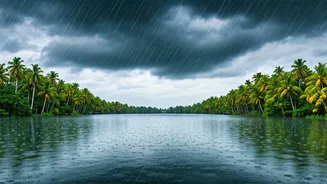
They call Kerala “God’s Own Country,” and during the monsoon, you understand why. From June to September, the rains wash over the landscape, turning the region into a symphony of green. The famous backwaters, a network of serene lagoons and canals, swell
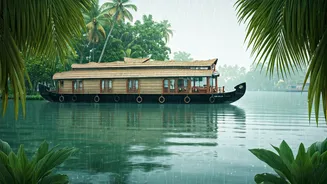
with fresh water, reflecting the dramatic, cloud-filled skies. Drifting on a traditional houseboat (a *kettuvallam*), you’ll see rice paddies glowing with an almost electric vibrancy and hear the steady rhythm of rain on the thatched roof. It’s a meditative experience, far from the tourist rush of the high season. The air is clean, the temperatures are cool, and the entire state seems to breathe a sigh of relief, offering a tranquil and deeply immersive version of its beauty.
Udaipur, Rajasthan: The City of Lakes Reborn
Rajasthan is India’s desert state, known for its arid landscapes and majestic forts. But when the monsoon arrives in Udaipur, the famed “City of Lakes,” a breathtaking transformation occurs. The parched Aravalli Hills that surround the city blush with green, and most importantly, the lakes—Pichola, Fateh Sagar, and others—fill to the brim. The marble palaces, including the iconic Lake Palace, appear to float on glistening, expansive waters. The mood shifts from dusty and grand to impossibly romantic. You can sip chai on a rooftop cafe overlooking the rain-swept city, watch lightning flash behind the Monsoon Palace perched high on a hill, and enjoy the city’s regal charm without the scorching heat or peak-season crowds.
Meghalaya: The Abode of the Clouds
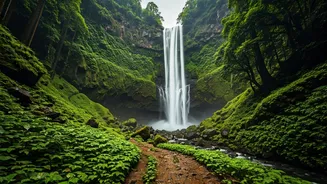
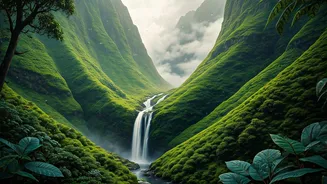
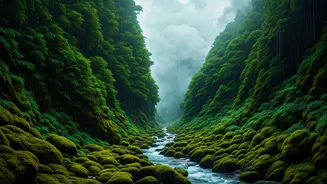
If you want to experience the full, untamed power of the monsoon, head to Meghalaya in India’s northeast. The name itself means “abode of the clouds,” and it’s home to Mawsynram and Cherrapunji, two of the wettest places on Earth. This isn’t a gentle shower; it’s a world of roaring waterfalls, misty valleys, and landscapes so lush they feel otherworldly. The famous living root bridges, hand-trained over centuries by the Khasi people, become even more mystical when shrouded in fog. Hiking here is a unique adventure, where you walk through clouds and witness nature’s raw, creative force. The monsoon isn’t just a season here; it’s the state’s very identity.
Coorg, Karnataka: The Scotland of India
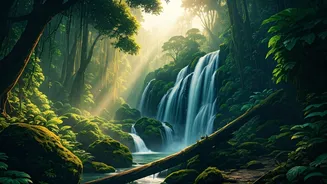
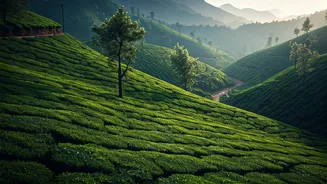
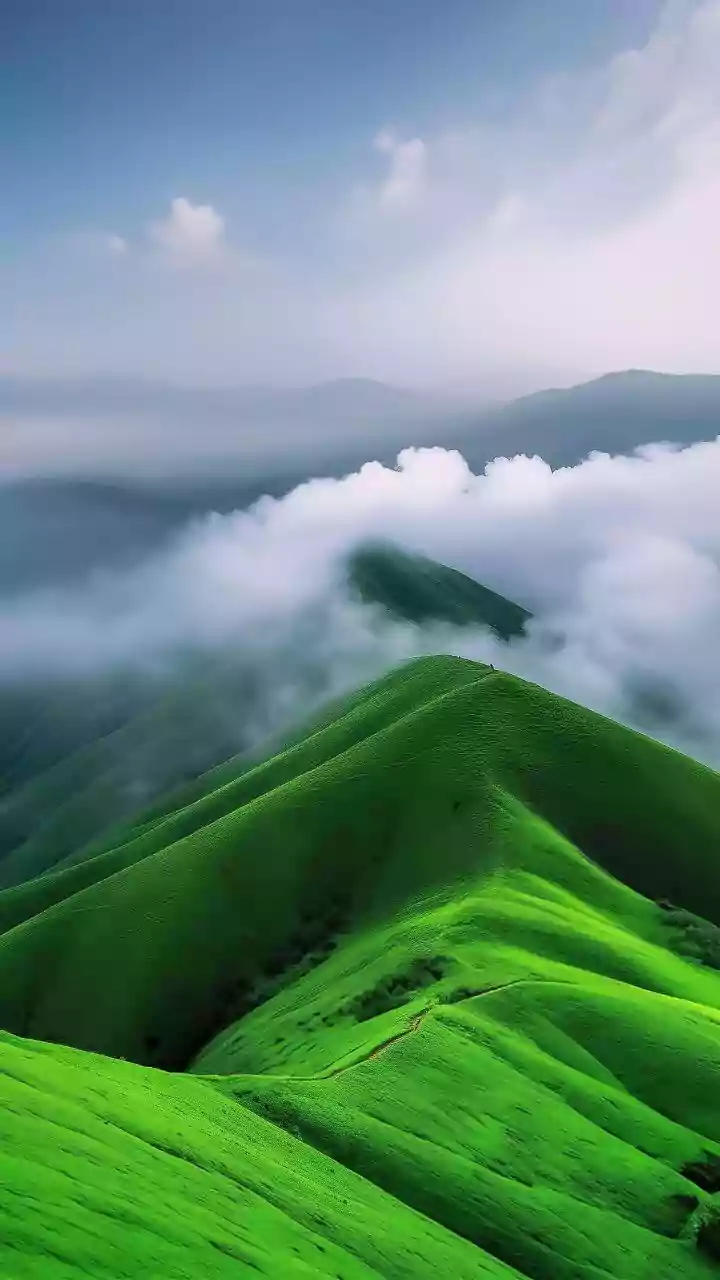
Nestled in the Western Ghats, the hill station of Coorg is often called the “Scotland of India” for its rolling green hills. During the monsoon, this comparison feels more apt than ever. The entire region is draped in a blanket of mist, and the air is thick with the scent of wet earth and blossoming coffee plants. The coffee plantations, a primary feature of the area, are at their most beautiful, their dark green leaves glistening with raindrops. Waterfalls that are mere trickles in the dry season, like Abbey Falls and Iruppu Falls, become thunderous cascades. It’s the perfect place for a cozy retreat, where the main activities are watching the rain from a porch, exploring misty trails, and enjoying the region's famous hospitality.
Goa: The Quiet, Green Escape
Goa is synonymous with sun, sand, and beach parties—mostly in the winter. But monsoon Goa is a completely different, and for many, a more magical, experience. The crowds vanish, the prices drop, and the state’s focus shifts from the coastline to its verdant interior. The beaches are still beautiful to look at, with dramatic, stormy seas, but the real magic lies inland. Rice paddies become a patchwork of brilliant green, and renting a scooter to explore the quiet, rain-washed villages is a joy. You can visit a spice plantation in full bloom or hike to the magnificent Dudhsagar Falls, which are at their peak power during the rains. It's Goa for the soul-searcher, not the partygoer.