




The Problem of Intermittency
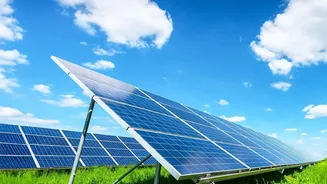
The sun, for all its power, doesn't shine 24/7. Solar panels generate vast amounts of electricity during the day, often more than is immediately needed. But as the sun sets, generation plummets just as evening demand for electricity from homes and businesses
peaks. This mismatch creates what experts call the "duck curve"—a daytime surplus followed by a steep evening shortfall that strains the grid. Without a way to manage this, grid operators are forced to curtail, or waste, clean energy during peak production and rely on fossil fuel plants to meet evening demand, undermining the very purpose of going green.
Solution 1: Building a Giant Power Bank
The most direct solution to intermittency is energy storage. Think of it as a colossal national power bank. Grid-scale Battery Energy Storage Systems (BESS) can absorb surplus solar power generated during the day and discharge it during the evening peak, ensuring a stable, reliable supply. The good news is that battery costs have fallen dramatically, making this an increasingly viable option. Recognizing this, India's power regulators have begun proposing mandatory energy storage for new solar projects, a crucial step to align generation with real-time demand. The goal is to build significant storage capacity by 2030, transforming intermittent solar power into a dependable, round-the-clock resource.
Solution 2: A National Power Highway
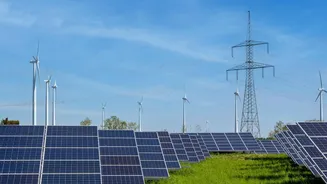
The other piece of the puzzle is transmission. Much of India's best solar potential is in sun-drenched but remote regions, like the deserts of Rajasthan and Gujarat, far from the cities and industrial hubs that need the power. A robust national transmission grid acts like a power highway, moving electricity from these generation centres to demand centres efficiently. However, building transmission lines takes significantly longer than building solar farms, creating a bottleneck. It is estimated that a significant amount of renewable capacity is currently stranded or underutilised due to inadequate transmission infrastructure. To fix this, India is planning massive investments in upgrading its grid, including high-voltage lines that can carry power over long distances with minimal loss.
Why This Matters for Every Indian
Solving the storage and transmission challenges isn't just a technical exercise; it's fundamental to India's future. A modern, flexible grid means more reliable power, reducing outages and supporting economic growth. By making full use of its own solar resources, India can decrease its reliance on imported fossil fuels, enhancing energy security and saving valuable foreign exchange. It's also essential for meeting the nation's ambitious climate targets, including the goal of installing 500 GW of non-fossil fuel capacity by 2030. Ultimately, these infrastructure upgrades will lead to a cleaner environment and a more resilient and prosperous India for generations to come.