



More Than a Monolith
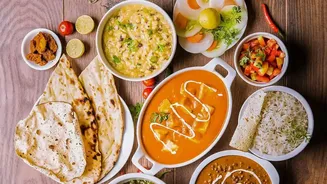
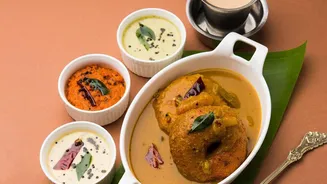
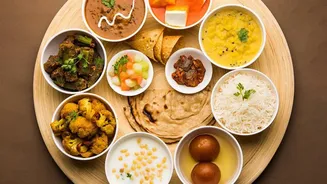
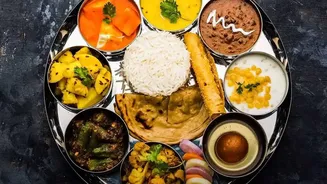
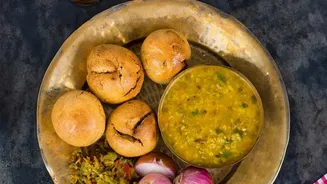
For decades, the perception of Indian food, both at home and abroad, was often limited to a handful of popular North Indian dishes. But India's culinary landscape is not one single entity; it is a vast collection of distinct regional traditions, each
with its own ingredients, techniques, and stories. A new movement is challenging this monolithic view, driven by heritage-led culinary events. These are not just meals; they are immersive experiences designed to celebrate and preserve the subcontinent's diverse gastronomic legacy. From pop-up dinners in Mumbai apartments to food festivals celebrating the cuisine of a pre-partition India, the focus has shifted to authenticity, history, and the narrative behind every dish. Chefs are becoming cultural custodians, unearthing recipes from old manuscripts and learning from local elders to keep their heritage alive.
The Rise of the Supper Club
At the forefront of this trend are supper clubs, which have exploded in popularity across cities like Bengaluru, Delhi, and Mumbai. These intimate gatherings, often hosted in private homes, offer a unique platform for chefs to serve dishes that are too niche or complex for a commercial restaurant menu. Bookings are typically made via social media, adding to the sense of discovery. For instance, a supper club in Gurgaon might transport diners to a traditional Marwari 'jeeman', complete with floor seating and family recipes, while another in Bengaluru could present an authentic seven-course Sichuan meal prepared by a husband-and-wife team. These events are also a stage for lesser-known regional cuisines, like the indigenous Khasi food of Meghalaya, which was recently featured in a dining series spotlighting home chefs. This format allows for storytelling, where chefs can explain the origin of a dish and its cultural significance, creating a powerful connection with guests.
A Taste of Lost History
Many of these events are built around the concept of 'lost recipes'—dishes that have faded from household kitchens due to changing lifestyles or the difficulty of sourcing ingredients. Food festivals and chef-led initiatives are making a concerted effort to revive these culinary gems. Initiatives like 'Lost Recipes of Undivided India' explore the shared culinary heritage of India, Pakistan, and Bangladesh before 1947. Chefs are reintroducing preparations like Katha Meetha Kaddu from royal Maratha kitchens and Bhatt ki Churkani, a traditional black soybean dish from Kumaon that had almost vanished. In New York, one chef is bringing back forgotten tandoor recipes that go far beyond the standard tandoori chicken. This revival is not just about nostalgia; it's a form of cultural reclamation, making history tangible through taste and aroma.
From Pop-Up to Permanent
While the ephemeral nature of pop-ups is part of their appeal, they also serve as a crucial testing ground for new culinary concepts. Many successful pop-ups have transitioned into full-fledged restaurants, proving there is a sustainable market for regional and heritage-based Indian food. In New Orleans, a pop-up started by three chefs from different parts of India—east, west, and south—has now become a permanent restaurant called LUFU NOLA, where they serve the dishes they grew up eating. Similarly, the Brooklyn Curry Project was born when a couple from Bangalore couldn't find dosas that tasted like home, so they started their own pop-up to showcase authentic South Indian staples. These success stories demonstrate a growing appetite among diners for food that is not just innovative but also deeply rooted in a specific place and tradition.