



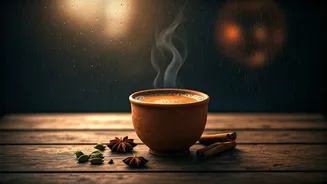


A Hug in a Cup
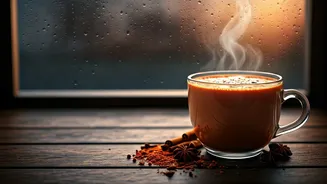
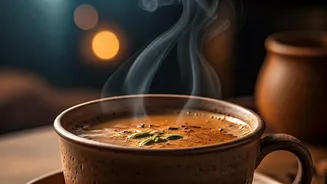
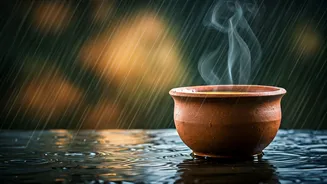
Before the first plate of pakoras has been considered, before anyone has complained about the traffic, the instinct is to make chai. Why? Because a cup of masala chai on a rainy day is more than just a hot beverage; it's a multi-sensory experience of comfort.
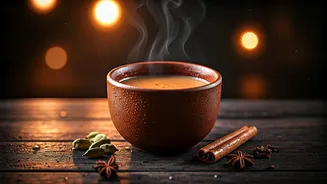
The warmth of the cup seeps into your hands, a welcome counterpoint to the damp chill in the air. The steam carries a fragrant cloud of spices—cardamom, ginger, cloves, cinnamon—that feels like an olfactory blanket. It’s a moment of pause, a physical and psychological reset button pressed against the grey canvas of the monsoon. This immediate, visceral comfort is something other drinks struggle to replicate. Coffee provides a jolt, but chai offers a warm, lingering embrace. It doesn’t just wake you up; it settles you down.
The Ultimate Comfort Pairing
You cannot speak of rainy-day chai without invoking its loyal companion: the fried snack. Whether it’s crispy pakoras, savoury samosas, or simple bhajis, the pairing is legendary. This isn’t just a matter of taste; it’s a study in contrasts. The deep-fried, crunchy, often spicy snack is perfectly balanced by the sweet, milky, and aromatic chai. The heat of the chai cuts through the oiliness of the snack, cleansing the palate and preparing you for the next bite. This combination has become so ingrained in our collective consciousness that the smell of rain itself can trigger a craving for both. It’s a tradition passed down through families and shared among friends, turning a gloomy afternoon into an impromptu celebration of simple pleasures. It's not just food and drink; it's an event.
The Wisdom of Spices
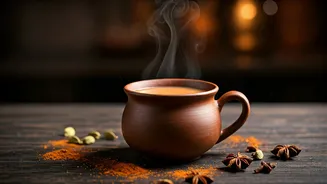
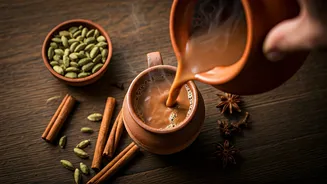
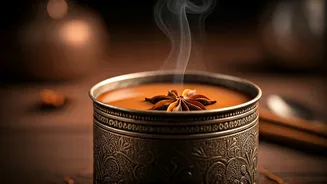
The magic of monsoon chai is brewed in its spices. While recipes vary from household to household, a few key players are essential when the weather turns. Ginger (adrak) is non-negotiable for many, prized for its warming properties and its perceived ability to ward off colds and soothe sore throats—common ailments during the damp season. Cardamom (elaichi) lends a sweet, complex aroma that is instantly uplifting, while cloves (laung) add a pungent warmth. Some even add a pinch of black pepper (kali mirch) or cinnamon (dalchini) for an extra layer of flavour and heat. This isn't just about taste; it's a form of folk wisdom. For generations, these spices have been used in Ayurveda and home remedies for their restorative qualities. A cup of masala chai, therefore, feels not just comforting but also inherently nourishing, a small act of self-care against the elements.
More Than Just a Drink
While the personal enjoyment of chai is profound, its role as a social catalyst is just as important. The call of “Chai ban rahi hai!” (“The tea is being made!”) is a summons for the family to gather. It pulls people away from their screens and into a shared space. In offices, the mid-afternoon chai break becomes a vital moment of connection, especially when the rain outside makes venturing out impossible. It’s a conversation starter, a reason to pause work, and a simple ritual that strengthens bonds. This social dimension is crucial to its reign. Chai isn't consumed in sterile silence; it’s part of the fabric of our interactions. It fuels debates, accompanies gossip, and provides a comforting backdrop to quiet companionship. The rain provides the excuse, but chai provides the medium for connection.
An Unchallenged Reign
In an era of global coffee chains and an ever-expanding menu of artisanal beverages, from kombucha to matcha lattes, chai’s position remains secure. Coffee culture has certainly made its mark in urban India, but it primarily serves the purpose of fuel and function—a quick caffeine hit for a busy day. It doesn't possess the same deep-rooted, nostalgic, and emotional connection, especially not in the context of the monsoon. No one sentimentally looks out at the rain and craves a cold brew. The ritual of making chai—boiling the water, crushing the spices, letting it simmer to the perfect colour—is a comforting process in itself. It is slow, deliberate, and personal. Other drinks are transactional; chai is traditional. And when the clouds gather, tradition is what we seek most.