



The Secret to Its Staying Power
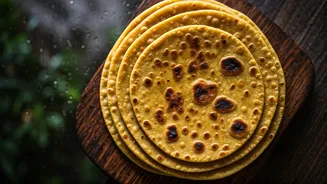
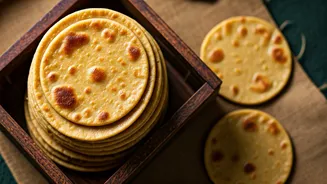
What makes a lunchbox hero? First and foremost, it must survive the journey. This is where the thepla reveals its superpower: longevity. Unlike its cousin, the chapati, which turns stiff and sad within hours, a well-made thepla remains soft and delicious
for days. The magic lies in its ingredients. The traditional dough, made from whole wheat flour, is often kneaded with yoghurt or milk, which helps maintain its softness. Furthermore, the inclusion of fenugreek leaves (methi) and a cocktail of spices like turmeric and asafoetida (hing) act as natural preservatives. Oil is kneaded into the dough and used generously during cooking, creating a barrier that locks in moisture and prevents it from drying out. This robust construction means it can be packed in the morning and still be perfect at lunchtime, or even two days later on a long train journey.
A Complete Meal in a Circle
Thepla isn’t just convenient; it’s a nutritional powerhouse disguised as a simple flatbread. A standard methi thepla packs carbohydrates from whole wheat, protein from the yoghurt used in the dough, and a host of vitamins and minerals from the fenugreek leaves. Fenugreek is known for its digestive benefits and ability to help regulate blood sugar. Spices like turmeric offer anti-inflammatory properties, while carom seeds (ajwain) aid digestion. It’s a carefully balanced, self-contained meal. While other lunchbox options might require a separate vegetable dish or dal, a thepla is perfectly satisfying on its own or with a simple dollop of plain yoghurt or a slice of pickle. It delivers sustained energy without the post-lunch slump, making it ideal for both schoolchildren and working adults.
The Ultimate Travel Companion
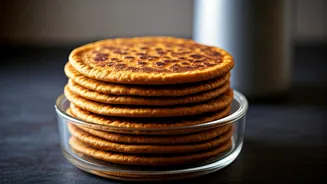
Long before it became a tiffin-box staple, thepla was the original travel food of Gujarat. Its legendary shelf life made it the go-to meal for traders, pilgrims, and students travelling far from home. A stack of theplas, wrapped in a clean cloth or foil, is a common sight on Indian trains and buses for a reason. It requires no refrigeration, no reheating, and no cutlery. It doesn’t create a mess. You can eat it with one hand while holding a book or gazing out the window. This inherent portability makes it the perfect food for picnics, road trips, and even international flights for those craving a taste of home. It's a food born from a culture of movement and pragmatism, designed to nourish and comfort on the go.
A Canvas for Creativity
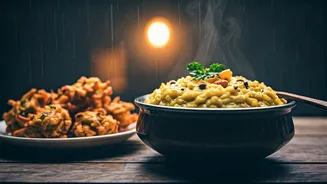
While methi thepla is the undisputed classic, its genius lies in its adaptability. The basic recipe is a canvas for endless variations. Don't have methi? Use grated bottle gourd (dudhi) for an incredibly soft version, or spinach (palak) for a different flavour profile. Some households add sesame seeds for crunch and nutrients, while others might mix in different flours like gram flour (besan) or millet flour (bajra) to alter the texture and nutritional profile. It can be served with anything from sweet and sour mango pickle (chundo) to spicy green chutney or a simple cup of tea. This versatility ensures that one never gets bored. It’s a dish that evolves with the contents of your fridge and the tastes of your family, yet its core identity as a reliable, comforting flatbread remains unchanged.