





The Daily Damage of Sitting Still
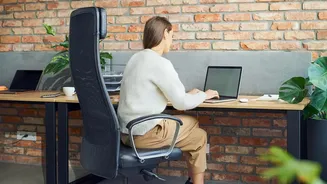
Most modern jobs involve long hours at a desk, which contributes to a sedentary lifestyle. This prolonged sitting isn't just a matter of poor posture; it has deeper physiological consequences. When we're inactive for extended periods, our metabolism slows
down, our muscles become disengaged, and our body's ability to regulate blood sugar and blood pressure is impaired. This state of inactivity, even if you consider yourself otherwise healthy, contributes to what experts call 'sedentary damage'. The phenomenon is sometimes referred to as being an 'active couch potato'—someone who gets their recommended exercise but spends the rest of the day sitting, potentially negating some of the benefits.
The Limits of a Single Workout
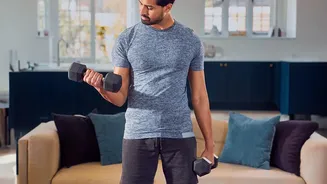
That 45-minute gym session or evening run is absolutely good for you. It builds muscle, improves cardiovascular fitness, and burns calories. However, a single block of exercise may not be enough to fully counteract the negative effects of sitting for the other eight, nine, or ten hours of the day. Think of it like this: you can't eat one large, healthy meal and expect it to nourish you through a full day of eating junk food. Similarly, one burst of intense activity doesn't completely erase hours of metabolic slowdown. Research suggests that while a daily workout is beneficial, it's only one part of the health picture; breaking up long periods of inactivity is another crucial component.
The Power of Micro-Movements
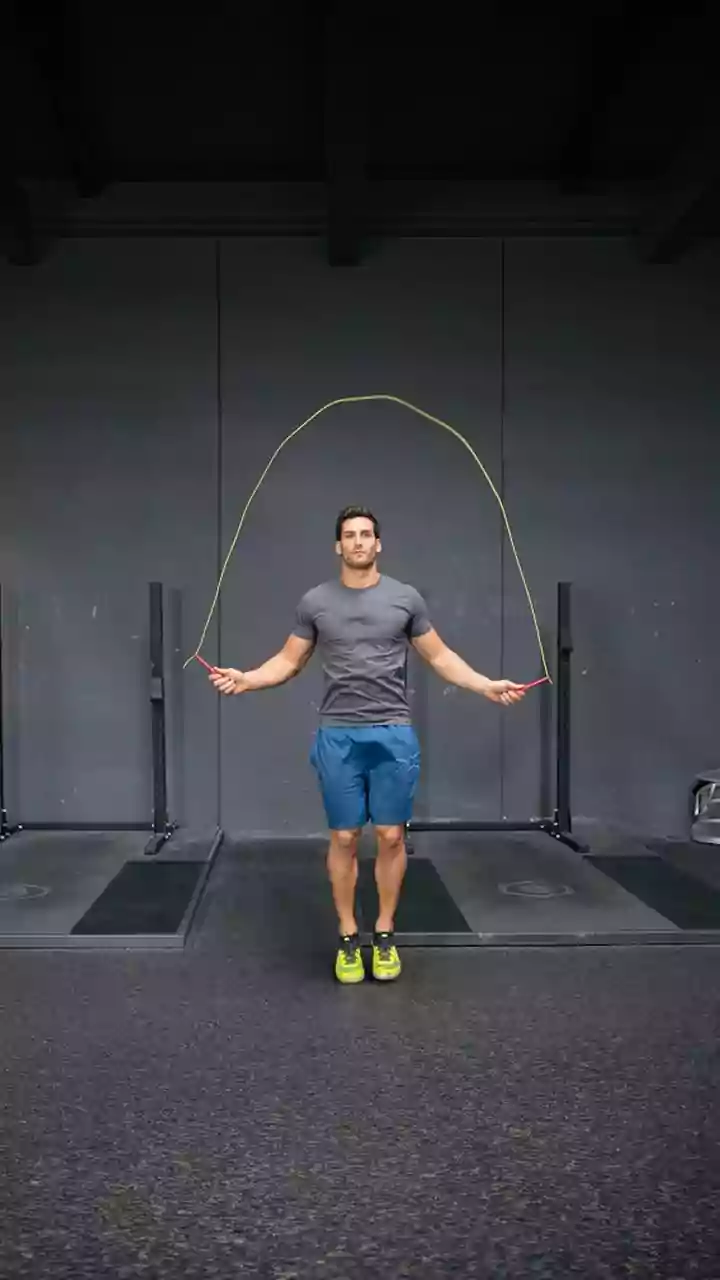
Enter 'micro-movements' or 'exercise snacking'. This approach involves integrating very short, simple bursts of activity throughout your day. We're not talking about a full workout; these are brief interludes, from 30 seconds to a few minutes long, that elevate your heart rate. Examples include taking the stairs instead of the elevator, doing a set of squats while your coffee brews, performing a few jumping jacks between meetings, or even just walking briskly around the office. The goal isn't to get sweaty or exhausted, but to frequently interrupt periods of sitting and remind your body's systems to stay active.
Why 'Snacking' on Exercise Works
The science behind micro-movements is compelling. These frequent, short bursts are highly effective at improving cardiorespiratory fitness and regulating post-meal blood sugar and insulin levels. When you activate your muscles, even for a minute or two, you stimulate your metabolism and improve blood flow. Studies have shown that these 'exercise snacks' can lower blood pressure more effectively than a single longer walk and can significantly reduce the risk of cardiovascular and cancer-related mortality in non-exercisers. A 2026 study even found that just three minutes of sprinting dramatically altered blood proteins and metabolites linked to metabolic health in ways that a 90-minute moderate cycle did not. Essentially, by moving frequently, you're preventing your body from ever fully entering that sluggish, sedentary state.
How to Weave Movement Into Your Day
Incorporating micro-movements doesn't require a major lifestyle overhaul. The key is to find small opportunities and make them a habit. Set a timer to stand up and stretch every 30 to 60 minutes. Opt to walk over to a colleague's desk instead of sending an email. When you take a phone call, pace around the room. Try simple bodyweight exercises like push-ups, lunges, or sit-and-stands right at your desk. Even doing vigorous chores or playing with your kids counts. Research shows that people find it easier to stick with these short bursts of activity compared to longer, more formal workout routines, making it a sustainable strategy for long-term health. The focus shifts from finding time for 'exercise' to simply leading a more active life.