



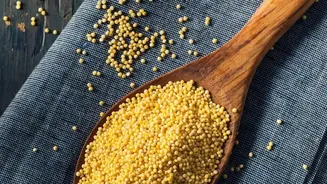
Why Bother with Millets?
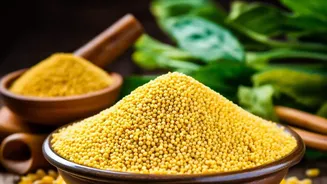
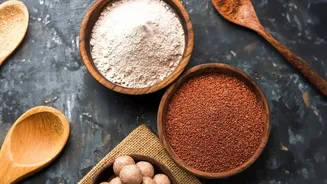
Before we get to the 'how', let's talk about the 'why'. Millets like Jowar (Sorghum), Bajra (Pearl Millet), and Ragi (Finger Millet) are nutritional powerhouses. They are rich in dietary fibre, which aids digestion and keeps you feeling full for longer.
Many millets also have a lower glycemic index compared to polished white rice, making them a smart choice for managing blood sugar levels. Furthermore, they are packed with essential minerals; Ragi is a fantastic source of calcium, while Bajra is rich in iron and magnesium. Embracing millets is a simple way to boost the nutritional value of your everyday food.
The Golden Rules of Millet Cooking
Cooking millets can seem intimidating, but it's simple once you know the basics. The most crucial step is rinsing and soaking. Soaking millets for at least 4-6 hours, or even overnight, helps to soften them, reduce anti-nutrients like phytic acid, and make them easier to digest. This also cuts down on cooking time. Always discard the soaking water before you start cooking. As a general rule for whole millets, use a 1:2 or 1:2.5 ratio of millet to water. For a nuttier flavour, you can even dry roast the grains for a few minutes before adding water.
Start Your Day with a Millet Breakfast
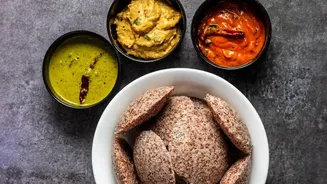
Breakfast is the easiest meal to introduce millets. Instead of your usual suji upma, try making it with Foxtail Millet or Little Millet. The process is nearly identical. Ragi porridge, or kanji, is another simple and highly nutritious option that is ready in minutes. You can also make fluffy idlis and crispy dosas by replacing rice with millets like Kodo or Foxtail millet in the batter. For a weekend treat, try making ragi pancakes with mashed banana and a little jaggery for a kid-friendly, healthy breakfast.
Reimagining Lunch and Dinner
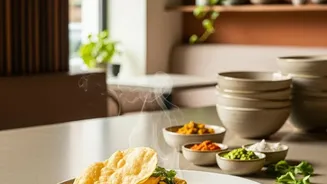
The simplest swap for lunch and dinner is to use cooked millets instead of white rice. Fluffy cooked Foxtail Millet pairs wonderfully with dal, sambar, or any curry. You can also prepare a hearty khichdi using Bajra or a mix of millets and lentils for a one-pot comfort meal. Millet pulao is another great option; just sauté your favourite vegetables and spices, and cook them with soaked millet instead of rice. This works especially well with Foxtail and Barnyard millets.
The Roti Revolution
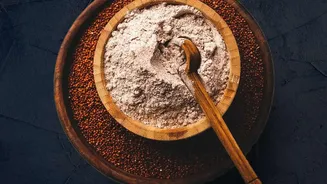
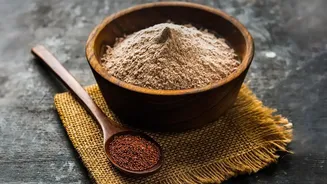
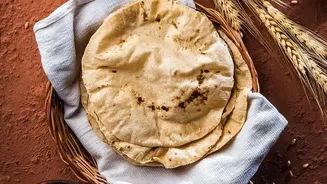
Replacing wheat rotis can be a big step for many families. The trick is to start gradually. Begin by blending your regular whole wheat atta with 20% millet flour, such as Jowar or Ragi. This '80-20 blend' ensures the taste and texture remain familiar. Millet flours like Bajra and Jowar absorb more water, so it's best to use warm water and knead the dough until it's soft. Letting the dough rest for about 15 minutes also helps. You can slowly increase the ratio of millet flour as your family gets used to the nuttier, earthier taste of Jowar bhakris or Bajra rotis.