



A World Washed Anew
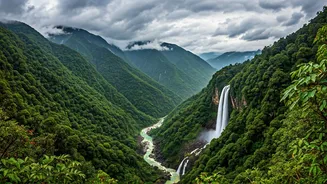
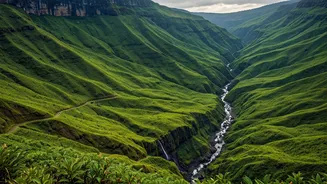
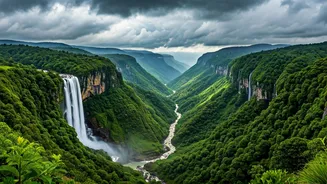
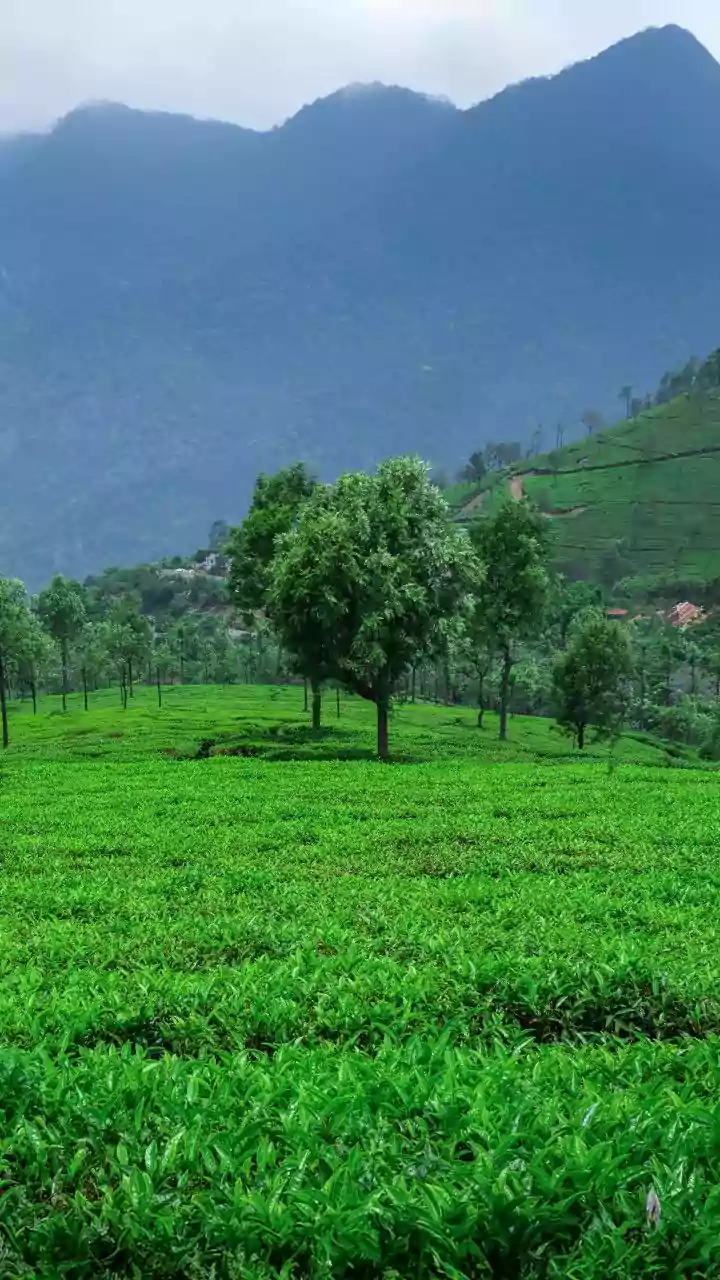
The first thing you notice is the green. It’s not just one colour, but a thousand different shades, from the deep emerald of ancient forests to the fluorescent lime of new moss clinging to every surface. During the monsoon, Meghalaya sheds its dry-season
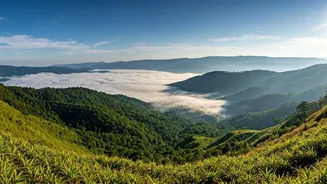
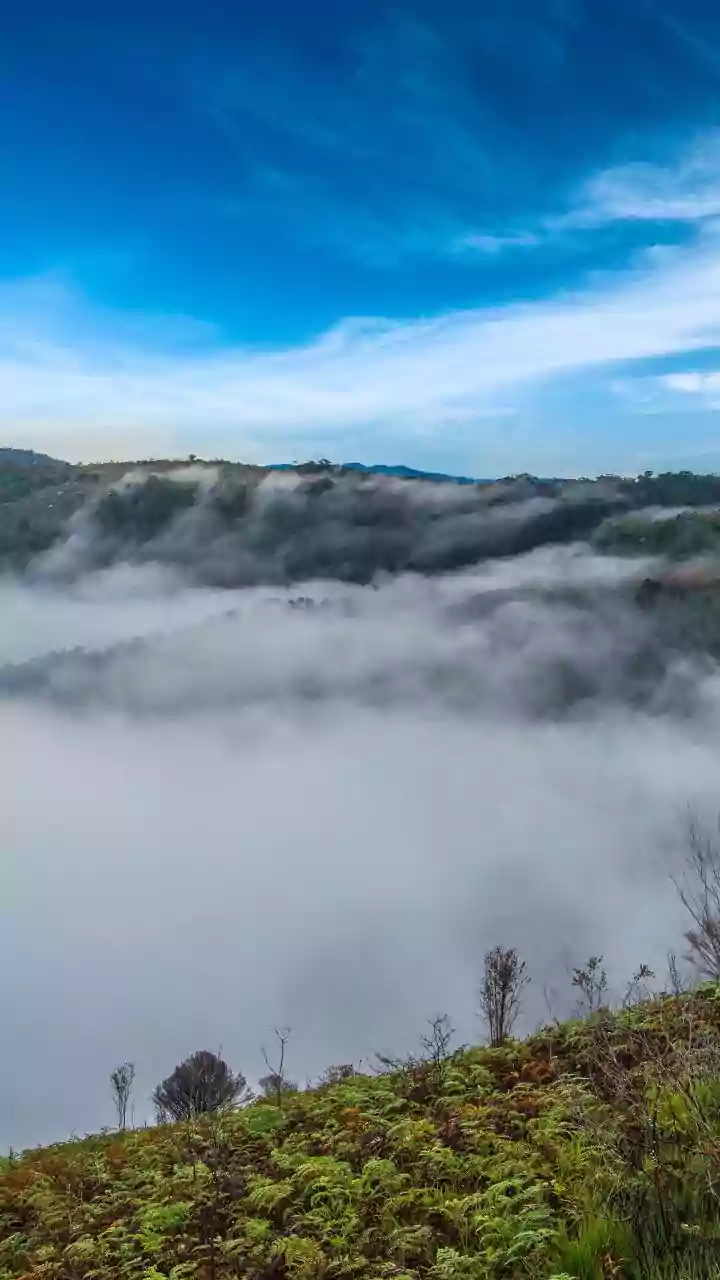
skin and undergoes a complete rebirth. The dust is washed away, leaving the air crisp, clean, and carrying the earthy scent of petrichor. The landscape, draped in a perpetual cloak of mist, feels mysterious and primordial. Driving through the winding roads around Sohra (formerly Cherrapunji), clouds don't just hang in the sky; they drift into your car, blurring the line between earth and heaven. This isn't just rain; it's a sensory immersion into a world being painted in real-time.
The Symphony of Waterfalls
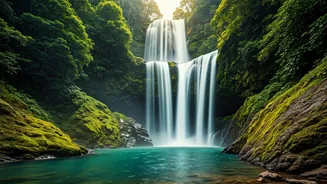
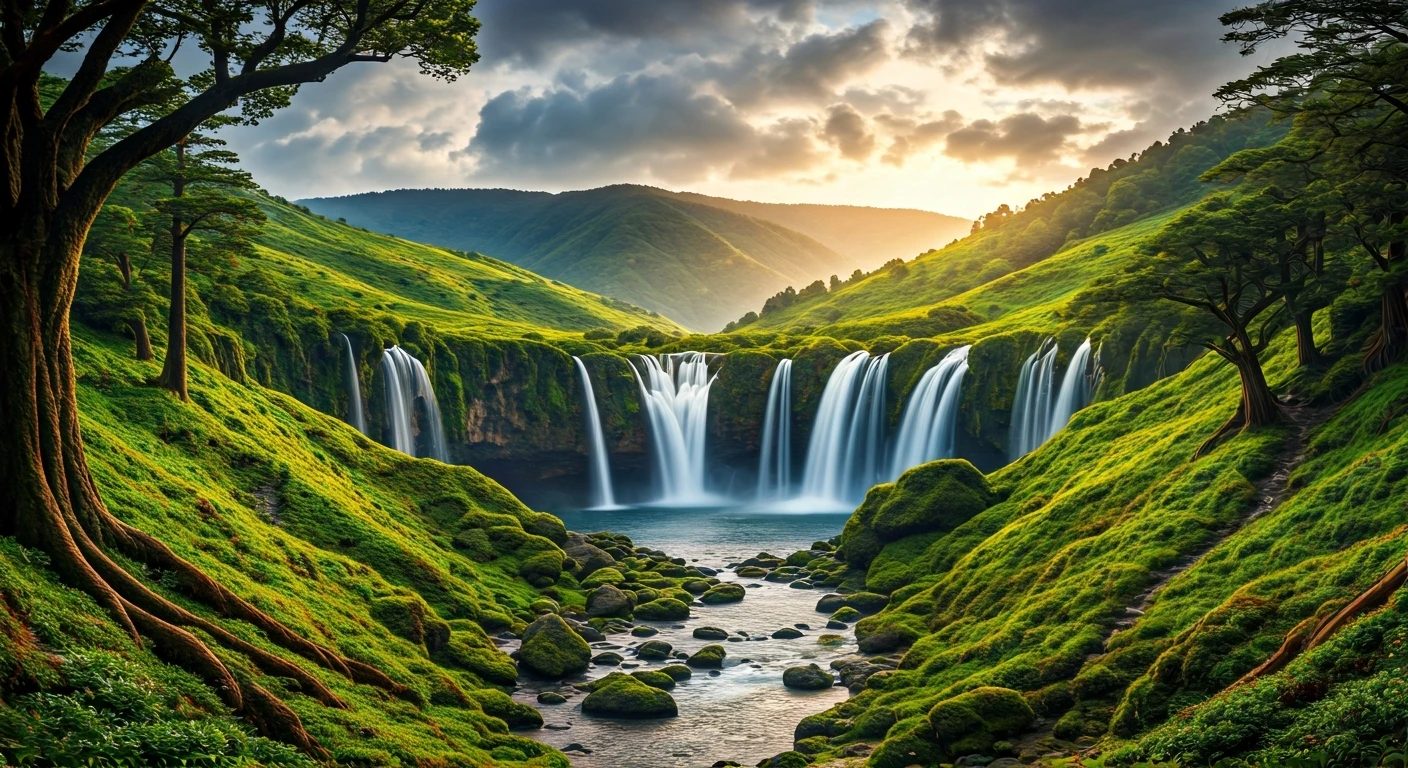
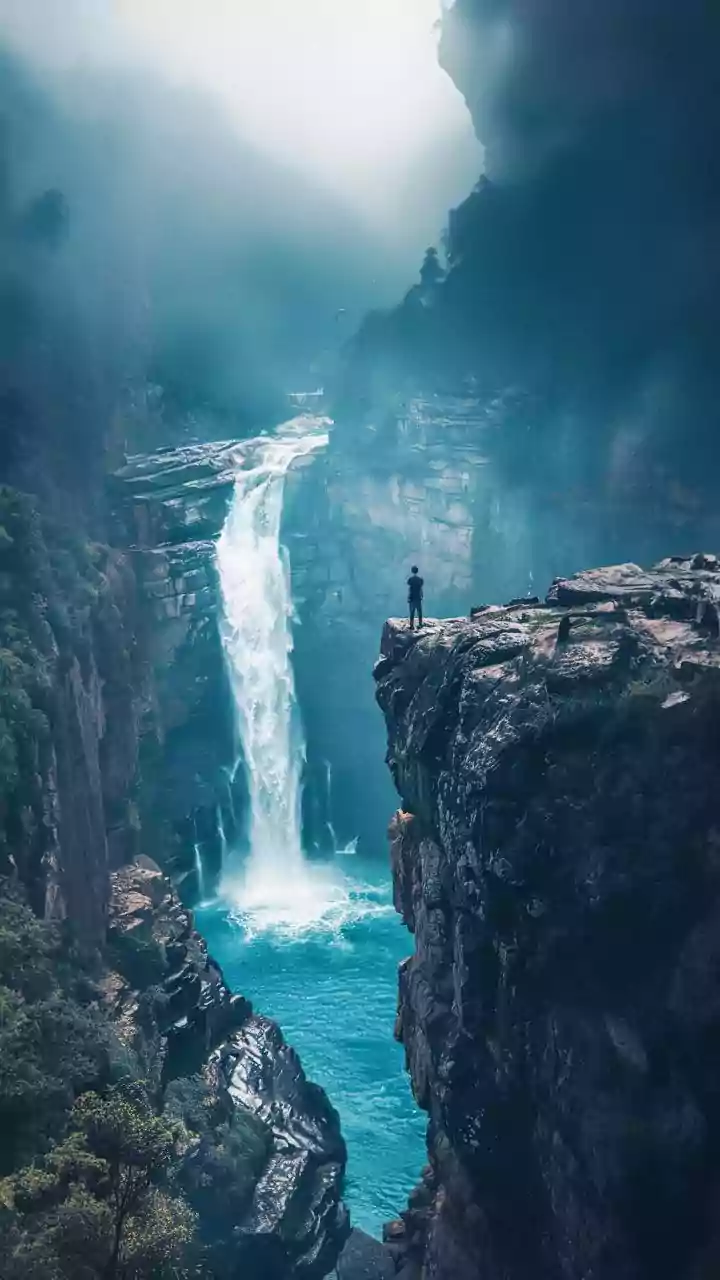
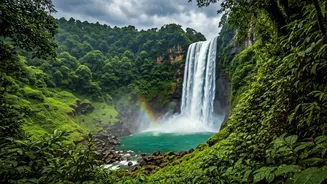
While waterfalls exist elsewhere, in monsoon-swept Meghalaya, they are not just sights to be seen but forces of nature to be experienced. The iconic Nohkalikai Falls, typically a single powerful plunge, transforms into a thunderous cascade, its roar echoing through the valleys. The Seven Sisters Falls (Nohsngithiang Falls) lives up to its name as seven distinct streams cascade down limestone cliffs, a sight of pure, unbridled beauty. But beyond these famous names, the entire state comes alive with water. Every turn in the road reveals a new, unnamed waterfall, a temporary stream gushing down a mountainside. It’s a dynamic, ever-changing water-world where the landscape’s soundtrack is a constant, soothing, and powerful symphony of falling water.
Walking on Living Bridges
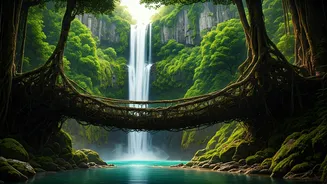
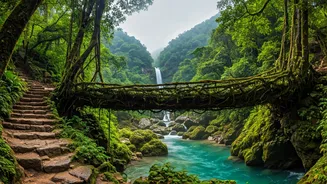
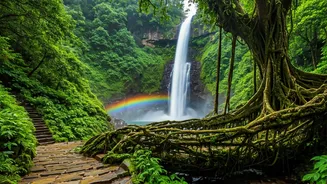
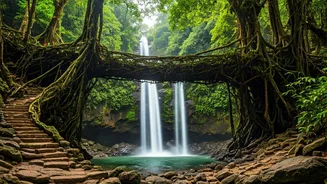
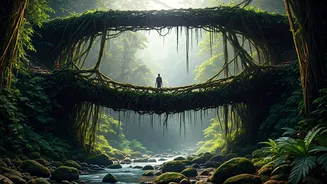
There is perhaps no image more synonymous with Meghalaya than its living root bridges. And there is no better time to see them than during the monsoon. These marvels of bio-engineering, patiently guided over centuries by the Khasi and Jaintia people from the roots of rubber fig trees, are at their most magical when surrounded by rain and mist. The trek down to the famous Double-Decker bridge in Nongriat becomes an adventure in itself, with rain-slicked steps leading you deeper into a jungle that feels straight out of a fantasy novel. The bridges, damp and covered in green moss, feel alive underfoot. They are not just structures to cross a river; they are a testament to a harmonious relationship between humans and nature, a relationship that feels especially profound during the life-giving rains.
The Culture of the Rain
For the people of Meghalaya, the monsoon isn't an inconvenience; it's the rhythm of life. This is the land of Mawsynram and Sohra, two of the wettest places on Earth, where life has adapted beautifully to the downpours. You'll see locals navigating the trails with 'knups'—traditional turtle-shell-shaped rain shields made of bamboo and leaves—leaving their hands free. The season brings a certain coziness, a 'hygge' of the hills. It's about sipping a hot cup of 'sha' (tea) while watching the rain from a window, savouring a warm plate of Jadoh (a local rice and meat dish), and listening to the rhythmic drumming of raindrops on a tin roof. The rain fosters a sense of community and a slower, more deliberate pace of life that is a vacation in itself.
An Adventure in Solitude
Many tourists flock to the hills in spring or autumn, seeking clear skies. But visiting Meghalaya during the monsoon offers a different kind of luxury: solitude. The popular viewpoints aren't crowded, the trails are quieter, and you get to experience the state at its most authentic and dramatic. It’s a trip for the traveller, not the tourist. It's for those who find beauty in a misty morning, excitement in a thunderous waterfall, and peace in the sound of the rain. It’s an adventure that cleanses the soul, leaving you with memories of a green so intense and a world so fresh it feels like you've witnessed creation itself.