


Experience Over Sightseeing
The classic North Indian hill station trip often revolves around a checklist: the Mall Road, a viewpoint, a boat ride. These destinations can feel like they are built around transactional tourism. Coorg, by contrast, is built around immersion. The main
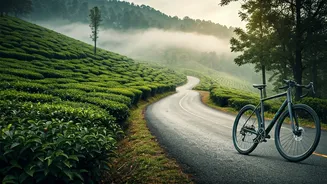
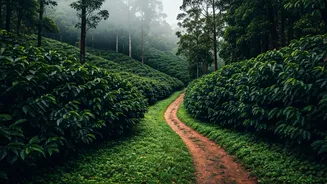
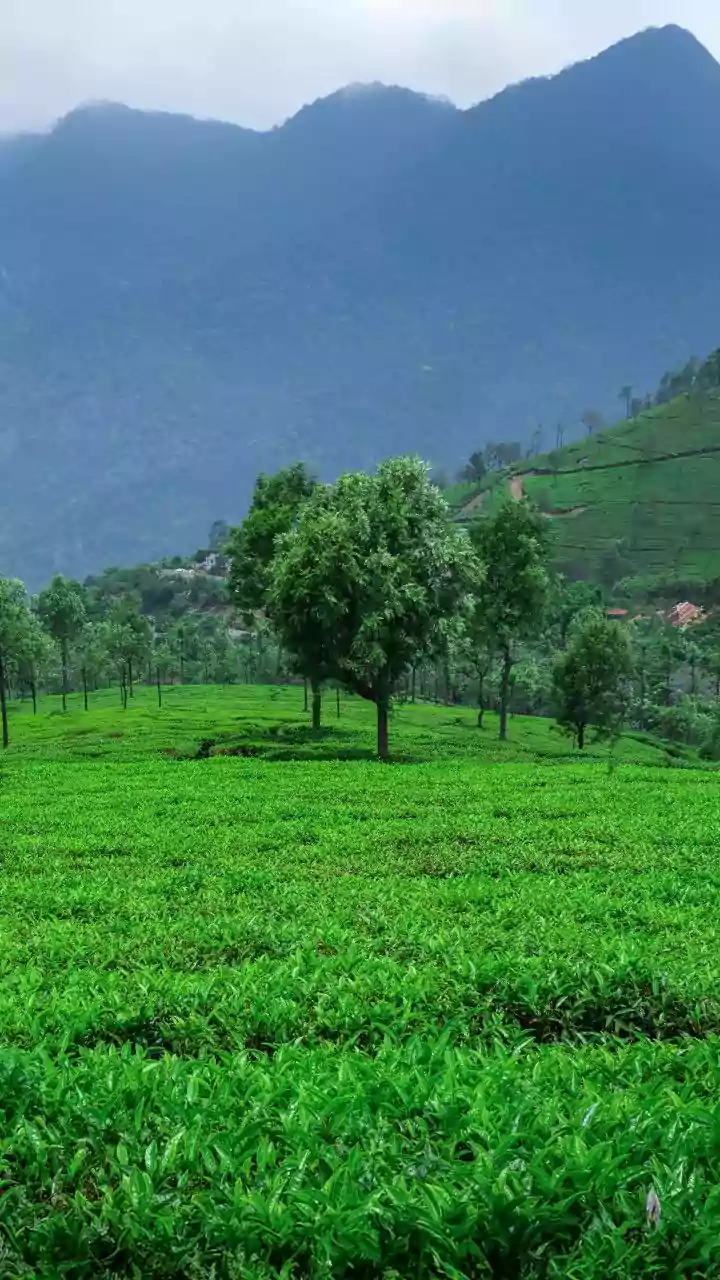
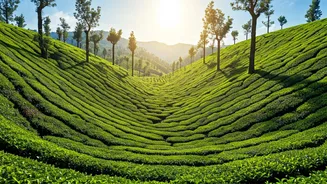
attraction isn't a single point but the entire ecosystem. The experience is staying in a sprawling coffee estate, waking up to the smell of fresh blossoms, and taking a guided walk through plantations where you learn about coffee and spice cultivation. It’s a shift from 'What did you see?' to 'What did you feel?', a trend that defines modern, discerning travel.
Authentic Stays Over Concrete Jungles
While North Indian hill stations offer a plethora of hotels, the explosive growth has led to unplanned construction, turning serene slopes into concrete clusters. These towns are grappling with immense pressure on their infrastructure. Coorg’s tourism model, heavily reliant on homestays and boutique plantation resorts, offers a more sustainable and personal alternative. Staying with a Kodava family in their ancestral home or in a well-managed estate provides a direct connection to the local culture, cuisine, and way of life that a standardized hotel room simply cannot match.
A Unique Culinary Identity
Food is a massive part of travel, and this is where Coorg truly shines. While you can find excellent food anywhere, popular northern tourist spots often have menus that cater to a generic palate. Coorg offers a fiercely local and distinct culinary adventure. The Kodava cuisine, with its famous pandi (pork) curry, akki otti (rice rotis), and use of local ingredients like Kachampuli vinegar, is a destination in itself. It's a flavour profile you won’t find elsewhere in India, making every meal an exploration rather than just a refuelling stop.
The Search for Serenity
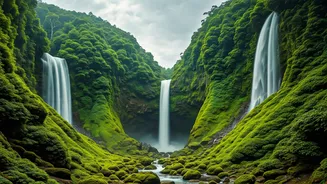
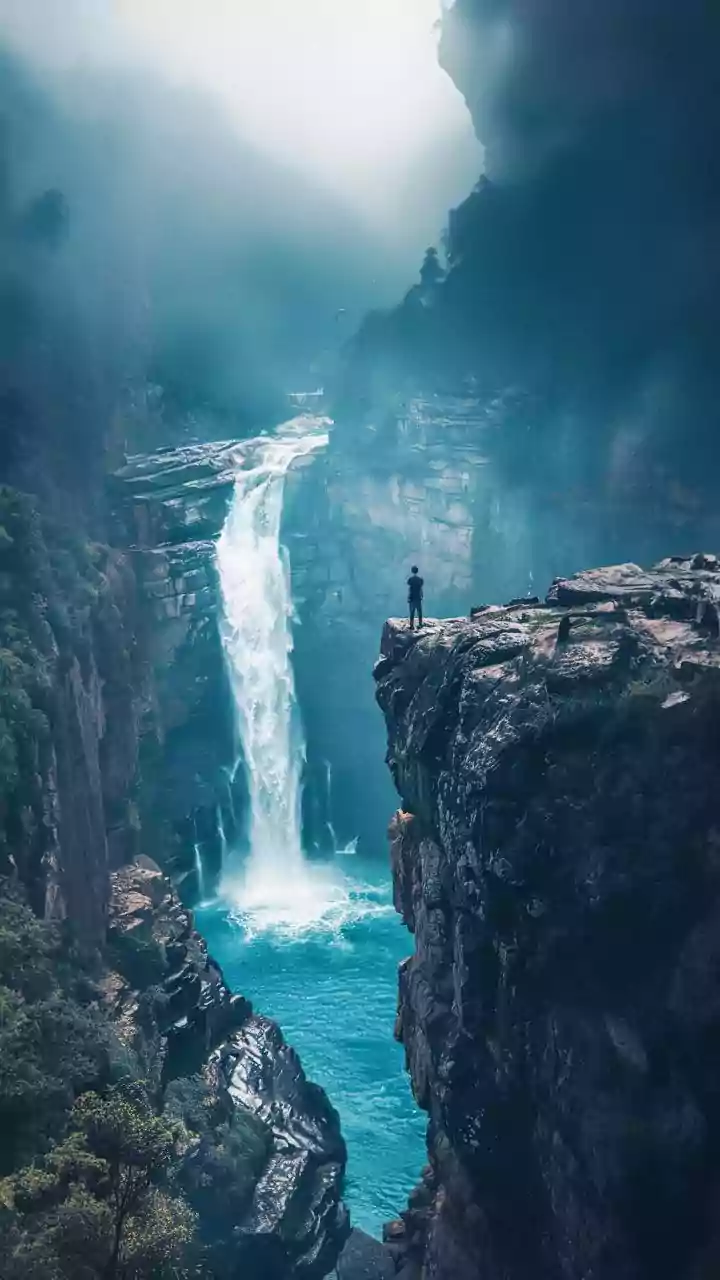
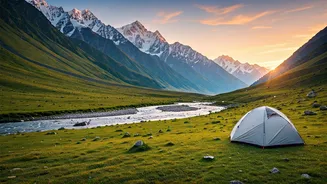
The phrase 'traffic jam in the hills' has become a grim reality for many popular northern destinations, especially during peak season. The very peace travellers seek is often shattered by crowds, noise, and congestion. While Coorg isn't immune to tourist footfall, its decentralized nature means you can still find genuine quiet. The region's attractions are spread out across its rolling landscapes, from waterfalls like Abbey Falls to trekking trails like Tadiandamol. You can choose to be social or spend an entire afternoon reading on a veranda, listening only to the sounds of the forest—a luxury that is becoming increasingly rare.
A Year-Round Green Escape
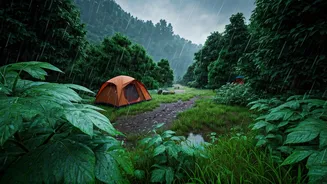
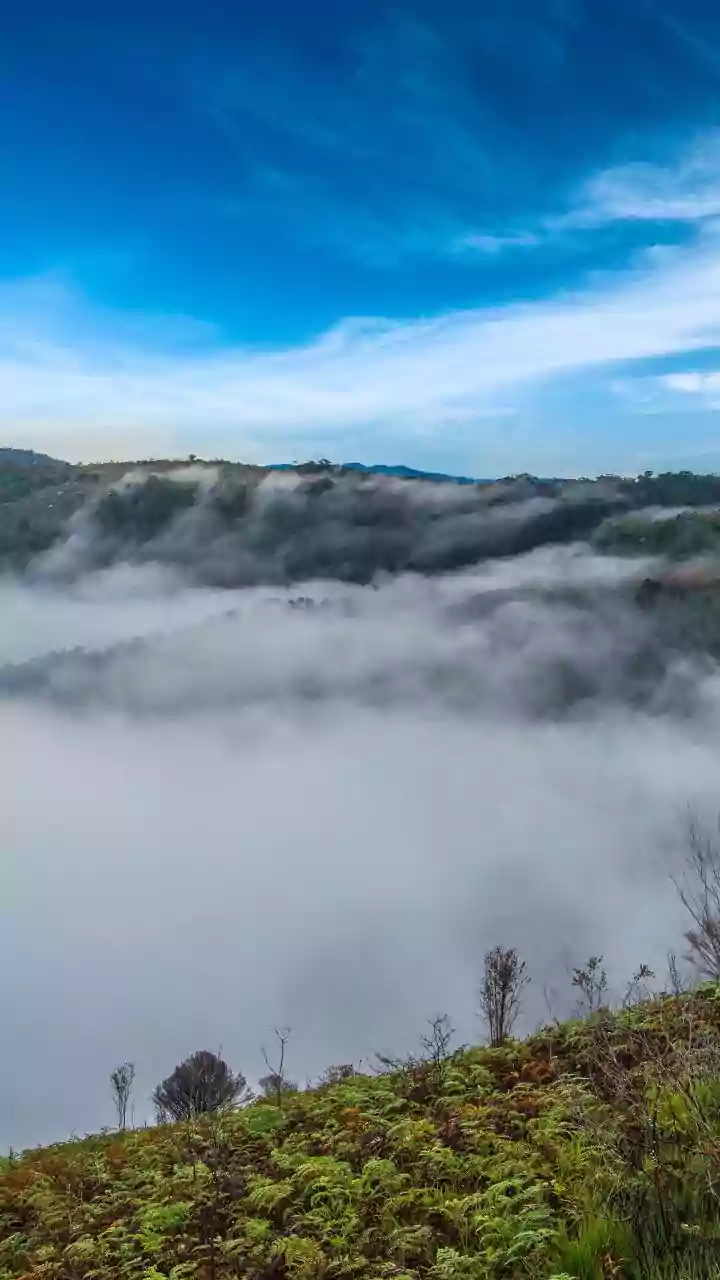
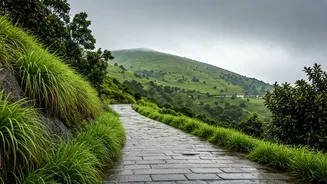
Many North Indian hill stations are highly seasonal, with their primary appeal tied to snowfall in winter or escaping the summer heat. Coorg’s beauty is arguably more consistent. It’s lush and green for most of the year, transforming into a magical, mist-covered wonderland during the monsoon. This makes it an appealing option outside of the rigid holiday calendar. The monsoons, often considered an 'off-season' in other places, are a spectacular time to visit Coorg, as the landscape comes alive, the waterfalls are at their most powerful, and the scent of rain on earth is everywhere.