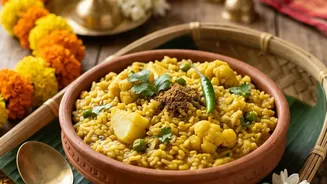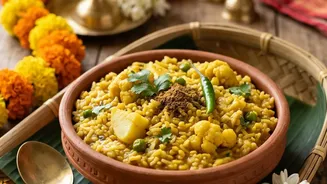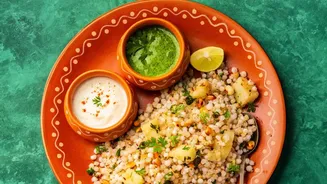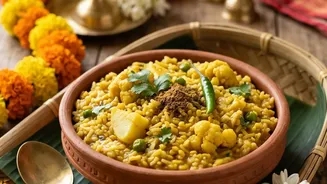

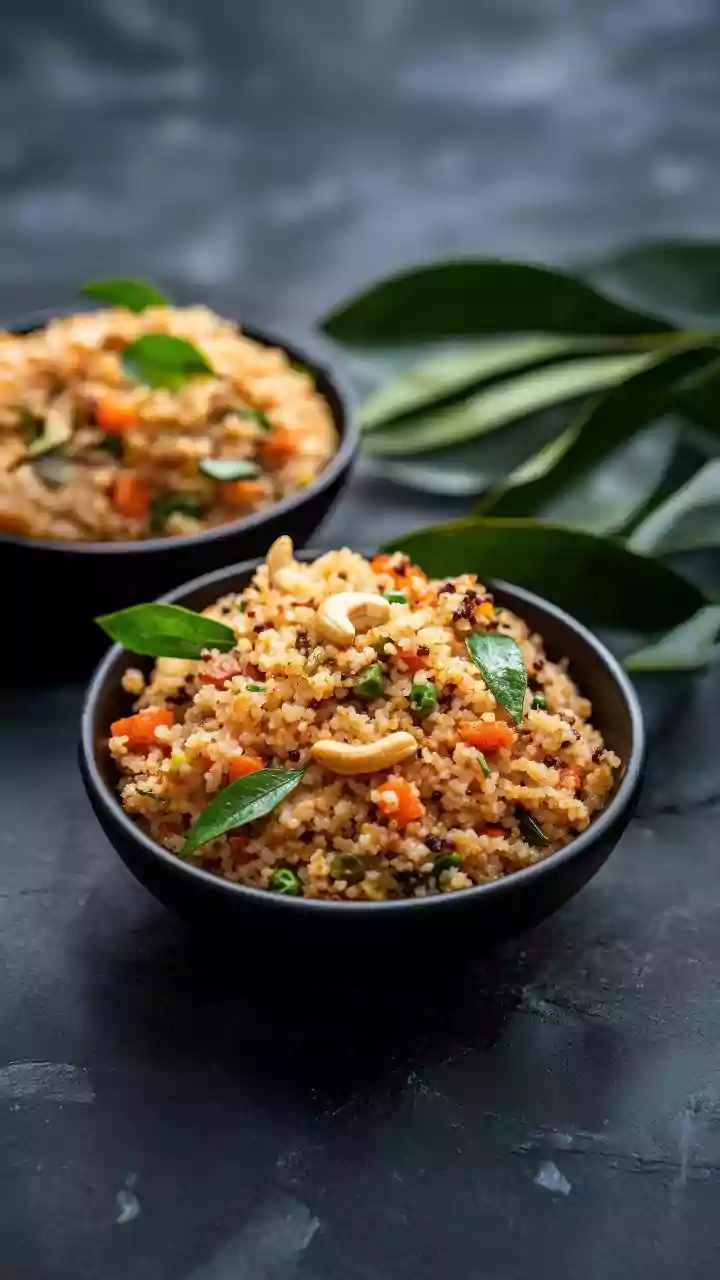
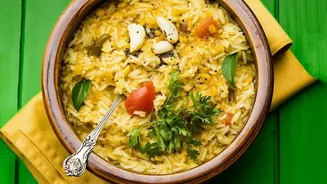
In the world of Indian comfort food, two dishes reign supreme for their wholesome goodness: Dalia and Khichdi. Both are hailed as simple, nutritious, and deeply satisfying, but how do they stack up against each other for regular meals?
The Contenders: What Are They?
First, let's meet
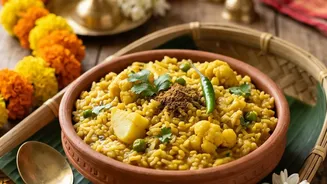
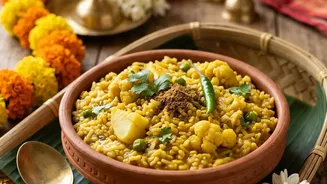
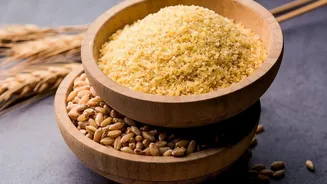
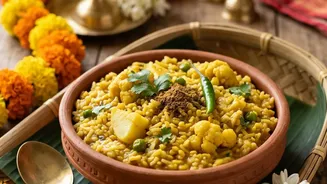
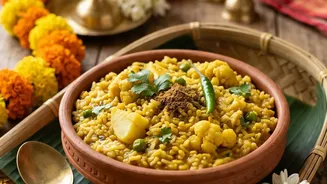
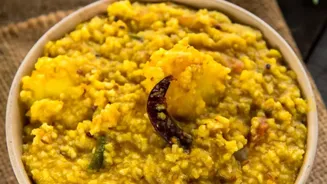
our competitors. Dalia, also known as broken or cracked wheat, is a whole-wheat grain that has been crushed into smaller pieces. Because it is minimally processed, it retains its nutrient-rich bran and germ. It's a staple in many North Indian homes, often prepared as a savoury porridge or a sweet 'lapsi'. Khichdi, on the other hand, is a timeless one-pot dish celebrated across India for its simplicity. Its foundation is typically rice and lentils, most commonly moong dal. This combination is a nutritional powerhouse, creating what is known as a 'complete protein' by providing all the essential amino acids your body needs. It's the quintessential comfort meal, often recommended during illness for its easy digestibility.
Nutritional Showdown: Fibre vs. Protein
When it comes to nutrition, both Dalia and Khichdi bring unique strengths to the table. Dalia is the undisputed champion of dietary fibre. A 100-gram serving of uncooked dalia can contain around 10 to 12 grams of fibre. This high fibre content is excellent for digestive health, helps you feel full for longer, and aids in weight management.
Khichdi’s main advantage lies in its protein quality. The classic pairing of rice (a cereal) and dal (a pulse) creates a complete protein source, which is crucial for muscle repair, growth, and overall body function. While Dalia also contains protein, it doesn't offer a complete amino acid profile on its own unless paired with a lentil or dairy.
The Glycemic Index and Weight Management
For those managing their weight or blood sugar levels, the glycemic index (GI) is a critical factor. Dalia has a low GI, typically around 41, which means it releases sugar into the bloodstream slowly. This prevents sudden energy spikes and crashes, providing sustained energy and making it an excellent choice for people with diabetes. Its high fibre content also promotes satiety, helping to reduce overall calorie intake.
Traditional khichdi made with white rice has a higher GI. However, the impact on blood sugar is moderated by the presence of dal. You can easily make khichdi more diabetes-friendly by substituting white rice with brown rice, millets, or even dalia itself to create a Dalia Khichdi. In terms of calories, both are moderate, with a bowl of vegetable dalia and moong dal khichdi having roughly comparable calorie counts, depending on preparation.
Digestibility and Comfort Factor
There's a reason Khichdi is the go_to meal when you're feeling unwell. It is famously light and easy to digest. The soft, porridge_like texture requires minimal effort from the digestive system, making it incredibly soothing for the gut. Ayurvedic tradition even considers it a 'tridoshic' food, meaning it helps balance the body.
Dalia, with its high fibre content, is also great for gut health and preventing constipation. However, for someone with a very sensitive digestive system or during an acute illness, the high fibre in Dalia can sometimes be harder to handle than the gentle nature of Khichdi.
Versatility in the Kitchen
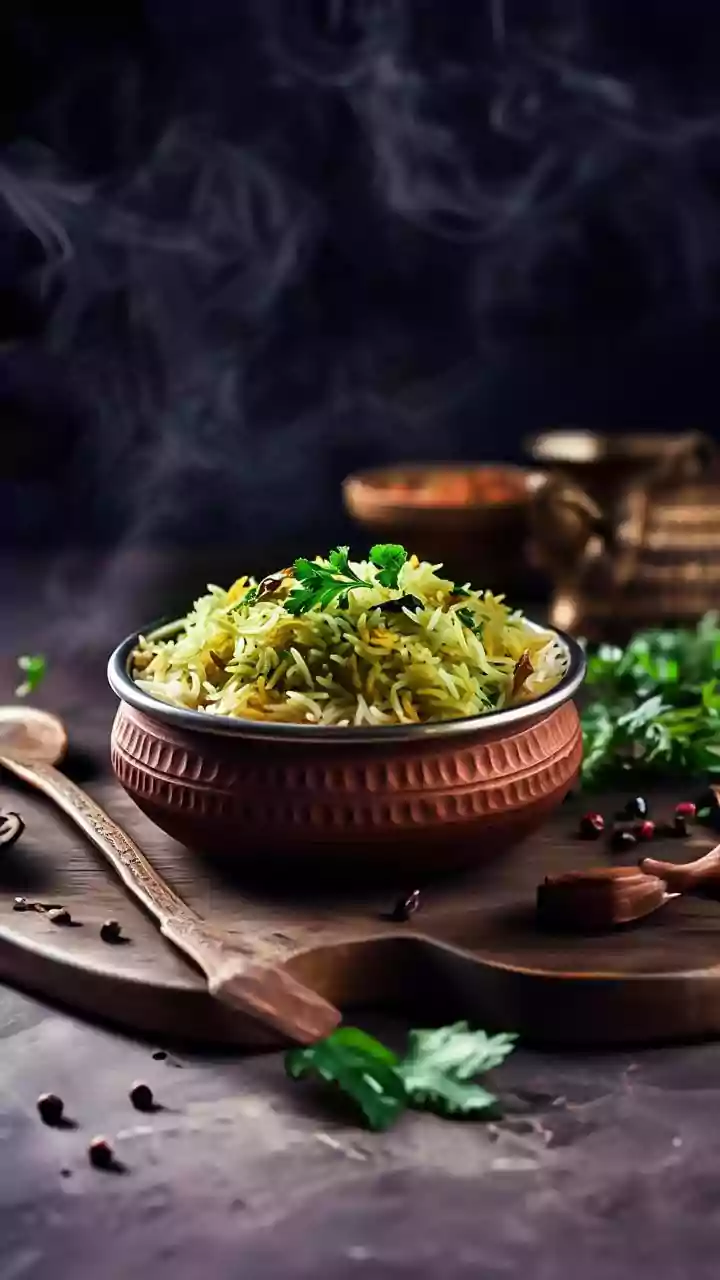
Both dishes are incredibly versatile. Dalia can be made savoury, loaded with vegetables like carrots, peas,_and_beans to create a hearty Dalia Khichdi or Upma. It can also be prepared as a sweet porridge with milk and jaggery for a comforting breakfast.
Khichdi is a blank canvas. It can be made with various lentils like toor,_masoor,_or_the_classic_moong_dal._You can enrich it with a host of vegetables and spices,_or keep it simple with just turmeric and a dollop of ghee._It's a one pot meal that can be adapted to any taste or dietary need.
The Verdict: Which One Should You Choose?
The choice between Dalia and Khichdi ultimately depends on your personal health goals.
Choose Dalia if your primary goals are weight management,_better blood sugar control,_and increasing your fibre intake._Its ability to keep you full for longer makes it a fantastic breakfast or lunch option.
Choose Khichdi when you need something easy to digest,_are recovering from an illness,_or want a complete protein meal after a workout._It is the ultimate comfort food that nourishes and soothes simultaneously.
It's also important to remember that preparation is key._Adding lots of vegetables enhances the nutritional value of both dishes,_while loading them with ghee or oil can increase the calorie count significantly.