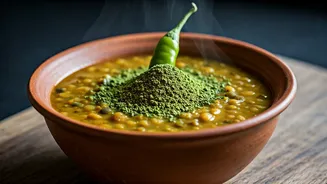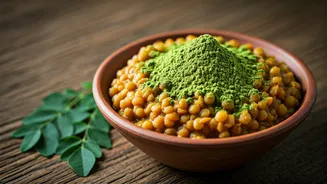




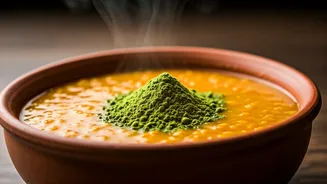
An Ancient Secret for Modern Meals
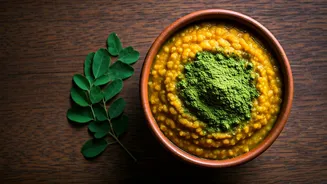
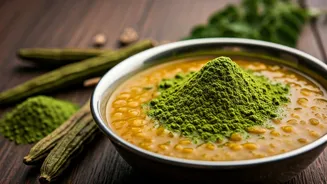
Moringa, often called the ‘drumstick tree’ (shevga), is hardly a new discovery. It has been a cornerstone of traditional Indian cuisine and Ayurvedic medicine for centuries. From the drumsticks in our sambar to the flowers in our sabzis, parts of this
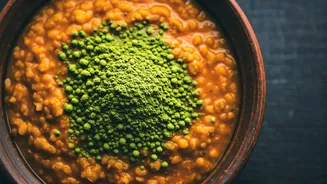
versatile tree have always graced our plates. However, it's the leaves, now conveniently available as dried flakes, that are gaining global recognition as a potent superfood. Adding them to a ubiquitous dish like lentil stew is a seamless way to incorporate this ancient wisdom into our fast-paced modern lives, upgrading a comfort food into a functional one.
The Nutritional Case for Moringa
So, what’s all the fuss about? Moringa leaves are packed with an incredible array of nutrients. They contain significant amounts of Vitamin A, Vitamin C, calcium, and potassium. But their standout feature, as the headline suggests, is their impressive iron content. Iron is a crucial mineral that helps transport oxygen in our blood, and a deficiency can lead to fatigue, weakness, and anaemia—a widespread issue in India. While plant-based (non-heme) iron is typically harder for the body to absorb, moringa offers a potent natural source that can significantly contribute to your daily intake.
Maximising Iron Absorption
To get the most out of the iron in moringa, a little food science goes a long way. The key is Vitamin C, which is known to enhance the absorption of non-heme iron. Luckily, our lentil stews are often naturally rich in it. Ingredients like tomatoes, onions, and a final squeeze of lemon juice or a topping of fresh coriander all provide the Vitamin C needed to unlock the full potential of the iron in the moringa flakes. This natural culinary synergy makes dal the perfect vehicle for this nutritional boost.
Why Flakes are a Smart Choice
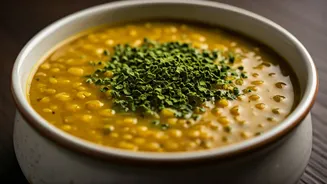
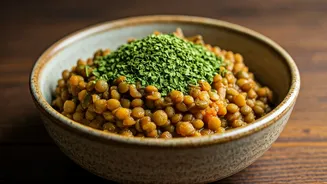
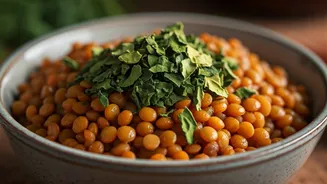
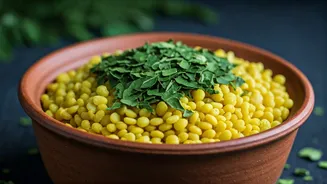
While fresh moringa leaves are excellent, they aren’t always accessible and have a short shelf life. This is where dried moringa leaf flakes shine. They are convenient, shelf-stable, and retain a remarkable amount of their nutritional value. The drying process concentrates the nutrients, meaning a little goes a long way. The flakes have a mild, earthy flavour, similar to spinach or methi, which blends beautifully into the complex spices of a dal without overpowering it. They rehydrate as the stew simmers, softening and integrating seamlessly into the final dish.
How to Use Moringa Flakes in Your Dal
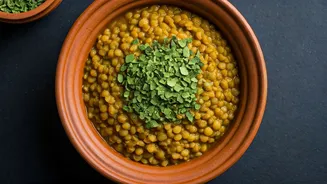
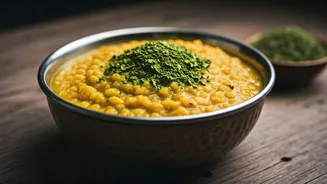
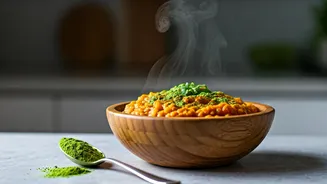
Incorporating moringa flakes is incredibly simple. There’s no need to change your favourite dal recipe. Just follow these easy steps: 1. **Prepare your dal as usual:** Whether it’s toor, masoor, or moong dal, cook it with your preferred spices and tadka. 2. **Add the flakes near the end:** About 5–10 minutes before you finish cooking, stir in the moringa flakes. This is long enough for them to rehydrate and release their nutrients without overcooking them, which can diminish some of their vitamin content. 3. **Start with a small amount:** If you’re new to the taste, begin with one teaspoon of flakes per serving. You can gradually increase the amount to a tablespoon as you get used to the flavour. Stir well to ensure the flakes are evenly distributed throughout the stew. That's it! Your dal is now supercharged.