
Start with Your Guest List
Before you even think about the menu, get a firm handle on your guest list. This isn't just about a final number; it's about understanding who is coming. Are they mostly adults or a mix with many children? Are there any dietary restrictions, such as vegetarianism,
allergies, or a preference for less spicy food? A clear headcount is the foundation of all your calculations. As a general rule, it's wise to plan for a 10% buffer for unexpected plus-ones or heartier appetites. For a smaller gathering of around 20 people, your menu can be simpler, perhaps with one dal, one paneer or vegetable dish, rice, and rotis. For larger crowds, variety becomes more important.
Craft a Balanced, Achievable Menu
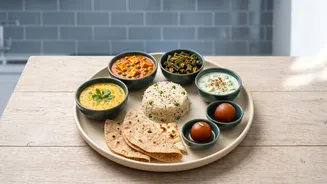
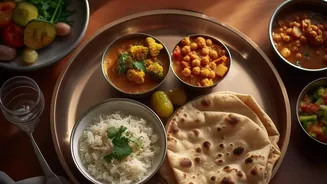
A great festive meal is about balance, not just abundance. A typical Indian party menu structure includes a few starters, one or two main dishes (often one 'dry' sabzi and one with gravy), a dal or lentil dish, rice, bread, and a dessert. This structure ensures a variety of tastes and textures. If you're serving appetizers before the main meal, plan for about six bites per person. The key is to offer variety without overwhelming yourself. More dishes mean guests will take smaller portions of each, so you don't need to triple your quantities if you have three main courses. Choose a few star dishes and complement them with simpler sides. Consider what can be prepped or made a day in advance to free up your time on the festival day.
The Maths of a Festive Meal
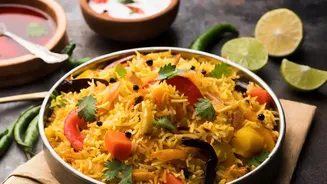
Calculating quantities can feel like guesswork, but there are reliable estimates to guide you. For a buffet-style Indian meal, a good starting point per person is around 60-75g of uncooked rice (which increases to 90g if a biryani is the main event) and about 30g of uncooked dal. For breads like rotis or naan, plan for two to three pieces per person if rice is also on the menu. When serving a main dish like a chicken or paneer curry, about 150-200g per person is a safe bet when it's part of a larger spread. These amounts ensure everyone gets their fill without contributing to massive food waste, a significant issue during festivals.
The Art of Dealing with Leftovers
Even with the best planning, leftovers are often a reality of generous Indian hospitality. Instead of just refrigerating them, think about giving them a second life. Leftover dal can be used to knead a soft and nutritious dough for parathas. A dry vegetable stir-fry or leftover roast can be spiced up with some chutney and rolled into a kathi roll for a quick snack the next day. You can even get more creative: leftover rice can be transformed into crispy arancini-style balls, and extra mithai like motichoor ladoos can be crumbled and mixed with chocolate to make decadent truffles. These ideas not only prevent food from being wasted but also give you a delicious break from cooking.
Embrace a Less-Waste Mindset
Planning your festive food is also an opportunity to be more mindful about waste. Beyond just repurposing leftovers, simple choices can make a big difference. If you know a particular dish is always left over, consider making a smaller quantity or swapping it for a crowd favourite. During large community gatherings, having a plan for surplus food, such as coordinating with a local food bank or an NGO, can ensure it reaches those in need. Using reusable plates and cutlery instead of disposables is another simple but effective step. A well-planned feast is not just about abundance; it's about thoughtful hospitality that is generous to both your guests and the environment.