

The Difference Between Surviving and Thriving
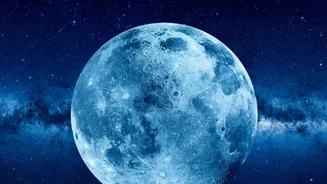
A groundbreaking NASA study has revealed that while certain microbes from Earth could potentially survive in the extreme cold of permanently shadowed craters at the Moon's south pole, they would not be able to grow or reproduce. This distinction is crucial.
Survival, in this context, means a microbe can enter a dormant, inactive state—much like a seed waiting for spring—but it cannot actively metabolize, multiply, or form a colony. The study, published in the journal Science Advances, clarifies that key ingredients for growth, most notably liquid water and moderate temperatures, are absent on the Moon. The findings shift our understanding of what it means for life to exist in space, moving from a simple yes-or-no question to a more nuanced exploration of life's absolute limits.
Simulating a Lunar Deep Freeze
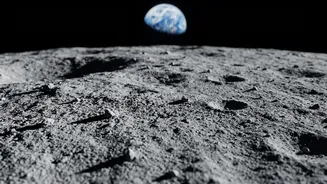
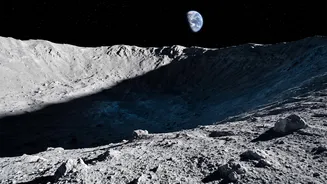
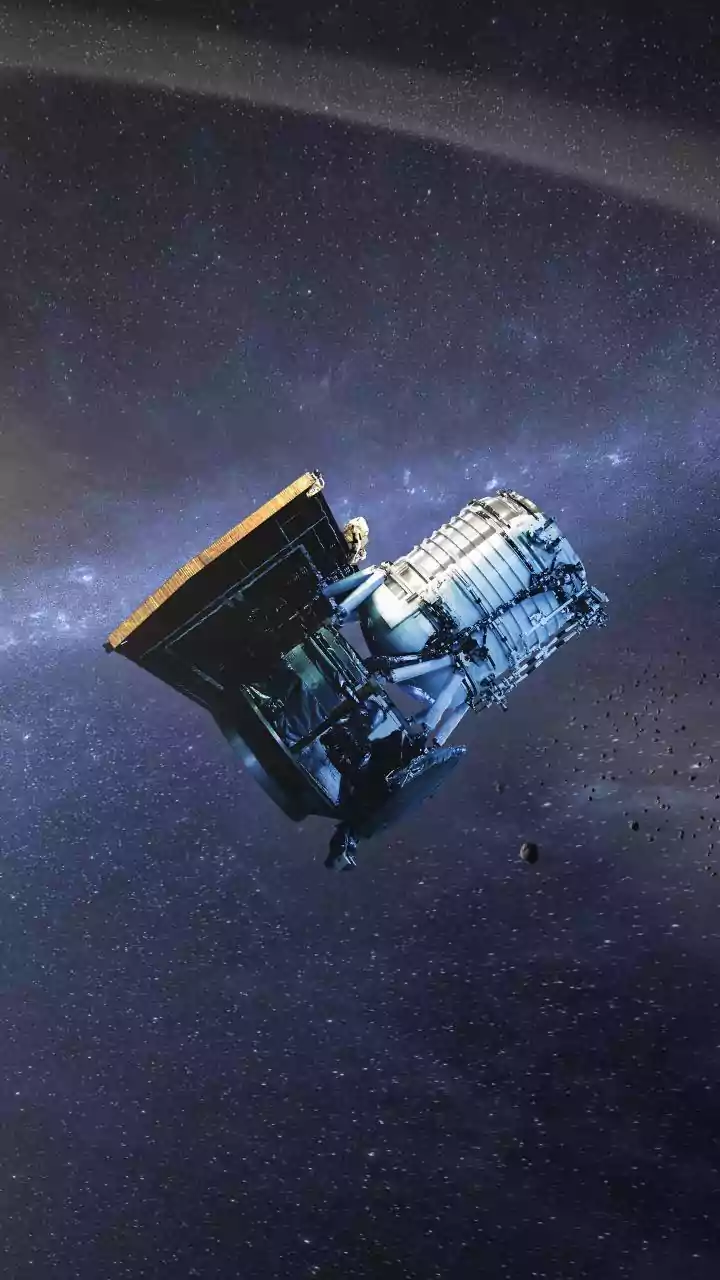
To reach these conclusions, scientists didn't actually send microbes to the Moon. Instead, they conducted sophisticated simulations. Using detailed environmental maps from NASA's Lunar Reconnaissance Orbiter, researchers modeled the conditions at several potential landing sites near the lunar south pole, such as Nobile Rim and de Gerlache Rim. They then tested the resilience of five types of microbes commonly found in spacecraft environments, including the famously tough black mould Aspergillus niger and bacteria like Deinococcus radiodurans. The simulations exposed these virtual microbes to the Moon's brutal combination of unfiltered ultraviolet (UV) radiation, vacuum, and wild temperature swings. The results showed that in permanently shadowed regions, where microbes are shielded from direct sunlight, some could persist in a dormant state.
Why Survival Isn't Growth
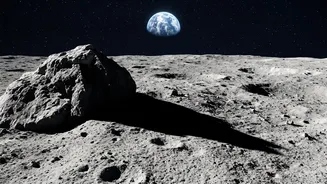
The primary barrier preventing these hardy survivors from flourishing is the sheer hostility of the lunar environment. Even in the most sheltered craters, the Moon lacks the fundamental requirements for active life as we know it. There is no atmosphere to maintain stable temperatures and no liquid water to facilitate metabolic processes. The study defined 'survival' as remaining viable for at least one Earth day, with some fungi potentially lasting for weeks or months in a dormant state known as cryptobiosis. In this state, cellular activity effectively pauses. While this resilience is remarkable—especially for organisms not typically considered 'extremophiles'—it is a state of suspended animation, not active life. The microbes are essentially on hold, unable to take the next step of replication.
Implications for Planetary Protection
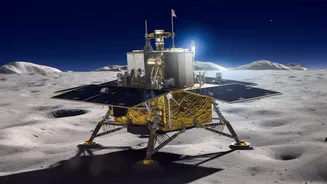
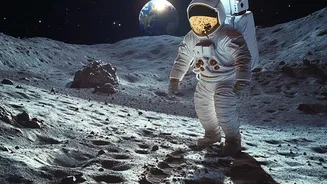
These findings have significant consequences for future crewed missions to the Moon, like the Artemis program. Humans are natural carriers of microbes; each person sheds millions of bacteria from their skin alone. This study underscores the risk of contaminating the lunar surface. If scientists are to search for signs of ancient lunar chemistry or even primordial life, they must be able to distinguish it from biological material brought from Earth. As lead scientist Prabal Saxena noted, this reality is unsettling for some researchers but also presents an opportunity. Understanding where Earth's microbes could survive helps NASA develop stricter planetary protection protocols to avoid muddying the scientific waters on the Moon and, eventually, on Mars.
A Natural Laboratory at Our Doorstep
Rather than just a problem of contamination, researchers see the Moon as a unique natural laboratory. It provides an environment with extreme conditions—deep cold, high radiation, and vacuum—that are difficult to perfectly replicate on Earth. By carefully studying how terrestrial microbes fare in these real-world conditions, scientists can test the absolute limits of life. Some have even suggested that small, protected areas like an astronaut's bootprint could become unintended micro-habitats for survival. This research not only prepares us for responsible exploration but also deepens our fundamental understanding of biology. It helps us refine our search for life elsewhere by focusing on worlds that don't just permit survival but actively support growth.