
The Legend of the NASA Study
The idea that indoor plants are powerful air purifiers largely stems from a 1989 NASA study. Researchers, looking for ways to clean the air in sealed space stations, placed common houseplants in small, sealed chambers and injected pollutants like benzene
and formaldehyde. They found that, over time, the plants did absorb some of these volatile organic compounds (VOCs). This finding was a breakthrough for understanding phytoremediation—the ability of plants to clean environments. The study was scientifically sound for its specific context, and it sparked a global fascination with the air-purifying potential of houseplants that continues to this day.
Why Your Home Isn't a Spaceship
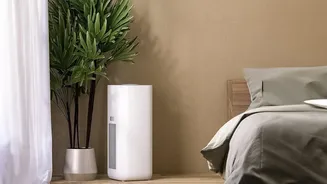
The problem is that our homes and offices are nothing like the small, sealed plexiglass boxes used in the lab. Modern research has highlighted that to replicate the NASA study's results in an average room, you would need an impractical number of plants—some experts estimate anywhere from 100 to 1,000 plants per square metre. In reality, the normal air exchange from opening a window or a door, or from your ventilation system, cleans the air far more effectively and quickly than a few potted plants can. While plants do absorb some pollutants, the effect in a typical, unsealed room is so minimal as to be almost immeasurable. So, relying on a few plants to purify your home's air is not a practical strategy.
The Real Magic: A Mental Health Boost
So if they're not scrubbing the air clean, what's the big deal about indoor plants? The most significant benefits are actually psychological. Studies have repeatedly shown that interacting with plants can reduce stress, lower blood pressure, and suppress the body’s fight-or-flight response. The simple act of caring for a plant—watering it, watching it grow—promotes mindfulness and can generate feelings of comfort and satisfaction. The presence of greenery has been linked to improved moods, better focus, and reduced feelings of anxiety and depression. This connection to nature, known as biophilia, seems to be an innate human need, and houseplants are an easy way to satisfy it.
A Masterclass in Home Aesthetics
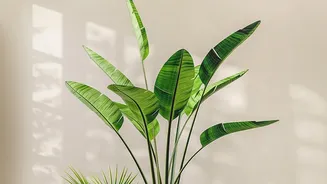
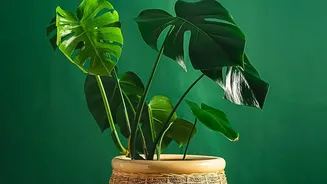
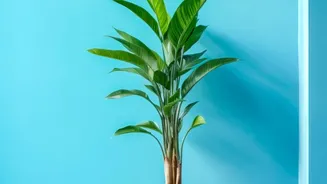
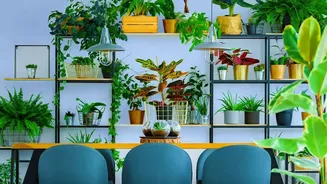
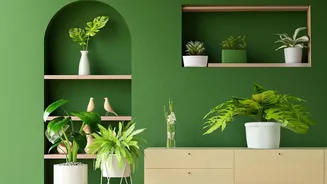
Beyond mental well-being, plants are one of the easiest and most effective tools in interior design. They add life, texture, and colour to any space, breaking up monotonous schemes and softening the hard lines of furniture and technology. A tall Areca Palm can bring a tropical vibe to a living room corner, while a trailing Money Plant (Pothos) can add a dynamic, cascading element to a bookshelf. Even a small succulent on a desk introduces an organic, living element that makes a workspace feel more personal and calming. The visual appeal of plants is powerful; research has shown people react more positively to lush, green foliage, which can make a space feel more welcoming and alive.
Choosing Your First Green Companion
Ready to invite a plant into your home for all the right reasons? For beginners in India, it's best to start with hardy, low-maintenance options that are well-suited to the climate. The Snake Plant is almost indestructible, tolerating low light and infrequent watering. The Money Plant (Pothos) is another beloved classic that grows quickly and thrives in a variety of conditions. Similarly, the ZZ Plant is perfect for busy individuals as it's very drought-tolerant and doesn't require much light. These plants are celebrated not for being miracle air-filters, but for being resilient, beautiful, and easy to love, making them perfect starter plants.