






Why Humidity Is Your Litter's Worst Enemy
The magic of cat litter lies in its ability to absorb moisture. Clumping clay, for instance, is made of highly absorbent materials that bind with urine to form solid, scoopable chunks. But when the air itself is saturated with moisture during the rainy
season, the litter starts absorbing water directly from the environment. This pre-saturation means it has less capacity to deal with urine, resulting in soft, crumbly clumps that break apart when you try to scoop them. This leaves soiled litter behind, which quickly becomes a breeding ground for odour-causing bacteria. The ammonia smell, which comes from the breakdown of urea in urine, is supercharged by the damp conditions, making the litter box noticeably smellier.
Choosing a Monsoon-Proof Litter
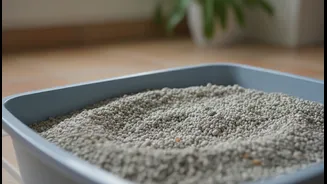
Not all litters are created equal when battling humidity. While your go-to brand might be perfect in dry weather, the monsoon may require a strategic switch. Tofu and other plant-based litters can be problematic as their organic nature makes them prone to absorbing airborne moisture, sometimes even becoming mouldy. Standard bentonite clay litter can also struggle, leading to the gummy clumps many cat owners dread. For high-humidity climates, two types often perform better. Silica gel crystals are excellent at absorbing moisture from both urine and the air, which helps inhibit bacterial growth and control odour. Mixed-material litters, often combining bentonite with other minerals or additives, also offer improved stability and moisture resistance.
Smarter Litter Box Management
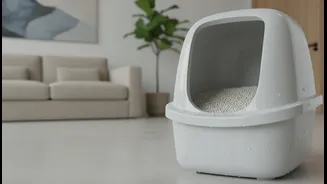
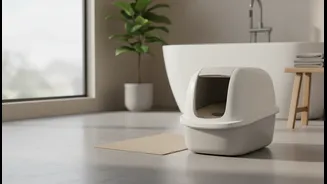
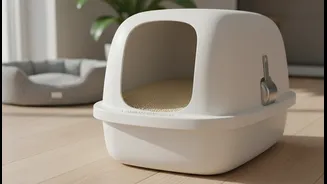
Beyond the type of litter, how you manage the box is crucial. First, location matters. Avoid placing the litter box in bathrooms or damp corners, as these areas are humidity hotspots. A well-ventilated space is your best ally. Using a dehumidifier or even a small fan in the room can make a huge difference in keeping the litter dry and reducing ambient smells. Covered litter boxes might seem like a good idea for containing mess, but during the monsoon, they can trap moisture and create a potent stink-box that your cat will likely avoid. An open tray that allows for better air circulation is often a better choice in damp weather.
Simple Habits for a Fresher Home
A few small changes to your routine can have a big impact. Increase your scooping frequency to twice a day; the less time waste sits in the damp litter, the less opportunity odour has to develop. A complete change of litter should also happen more frequently, perhaps every five to seven days instead of the usual ten. When you do a full change, wash the tray thoroughly and, most importantly, ensure it is completely dry before refilling. A sprinkle of baking soda at the bottom of the clean, dry tray can also help absorb excess moisture and odours before you add fresh litter. Finally, pay attention to storage. An open bag of litter will absorb moisture from the air. Keep your litter in a sealed, airtight container to maintain its freshness and effectiveness.