





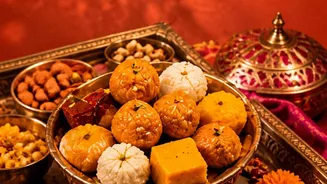
In a surprising return to culinary roots, the humble 'gur' is staging a quiet revolution in India's sweet shops and kitchens. More than just a nostalgic ingredient, jaggery is now a conscious choice for many, prized over refined white sugar.
A Sweet Shift in Consumer Habits
A distinct
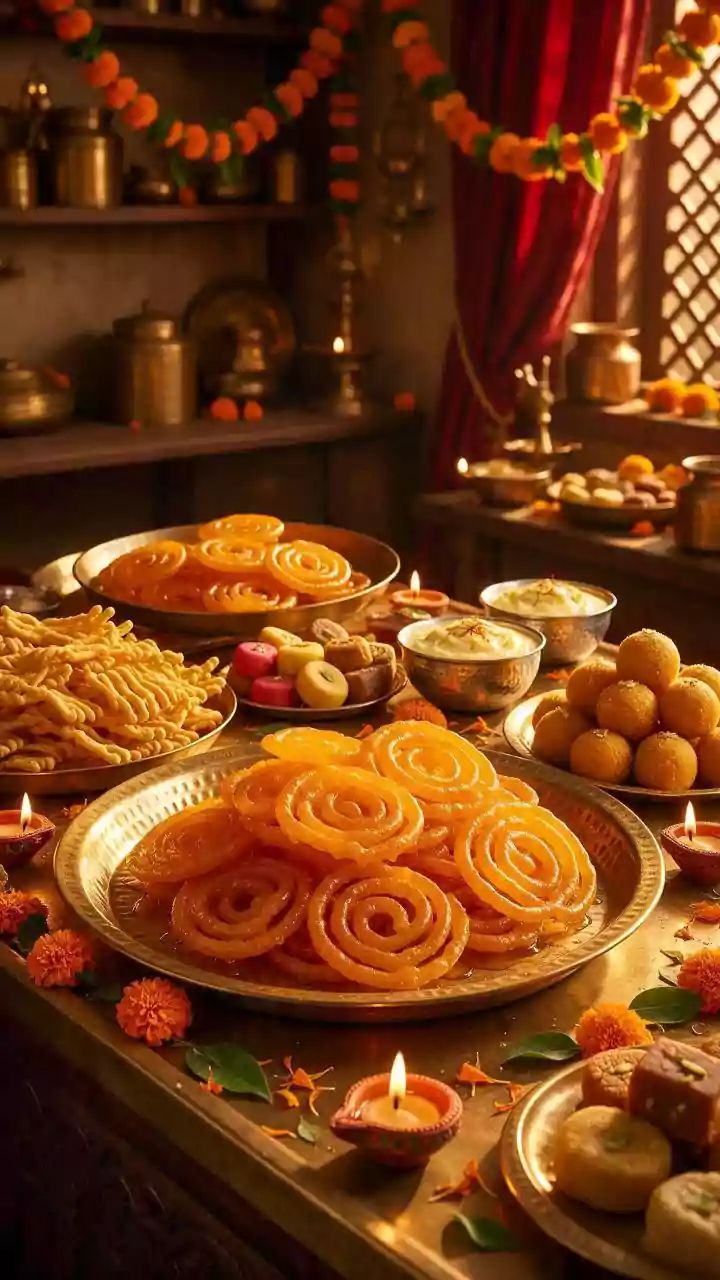
trend is emerging across India's urban food landscape. Consumers are increasingly scrutinising labels and ingredients, sparking a broader movement towards traditional and minimally processed foods. This shift is particularly visible in the world of 'mithai', where heritage sweets made with unrefined jaggery are finding favour over their modern, refined-sugar counterparts. For decades, convenience and affordability drove food choices, but today, a new narrative focused on quality, wellness, and provenance is taking hold. This realignment reflects a deeper reconnection with the nutritional wisdom embedded in Indian culinary traditions, where ingredients like jaggery have been staples for centuries.
The Unrefined Health Advantage
The preference for jaggery is strongly linked to its health profile. Unlike refined white sugar, which is stripped of nutrients during processing, jaggery retains molasses, giving it a rich mineral content. It is a natural source of iron, potassium, and magnesium. Jaggery is a complex carbohydrate, meaning it is digested more slowly than simple sugar, resulting in a more gradual release of energy and preventing the sharp spikes in blood sugar associated with refined sweeteners. Traditionally used in Ayurveda, jaggery is also known to aid digestion and act as a natural cleanser for the body. This combination of nutritional benefits and traditional wisdom makes it an attractive alternative for health-conscious individuals.
Reviving Authentic Flavours
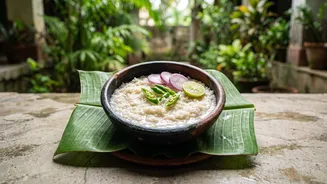
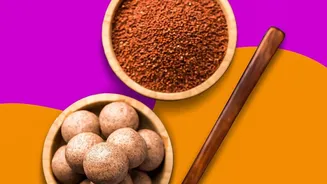
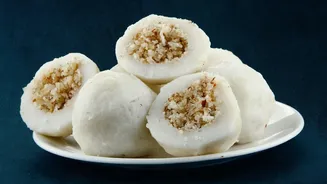
The switch to jaggery is not just a health-driven decision; it's also about taste. Jaggery imparts a unique, earthy sweetness with notes of caramel that refined sugar cannot replicate. This complex flavour is integral to the authentic taste of many heritage sweets across India. From Bengal's 'Nolen Gurer Payesh' (rice pudding with date palm jaggery) to Maharashtra's 'Puran Poli' and South India's 'Kozhukattai' dumplings, jaggery is the soul of the recipe. Mithai makers and home cooks are finding that using jaggery not only revives the original, intended flavour of these delicacies but also adds a rustic and premium character that modern consumers appreciate.
Supporting Local and Artisanal Producers
This growing demand is creating a positive ripple effect for local economies. The preference for jaggery supports sugarcane farmers and the small-scale, artisanal producers who use traditional methods to create this golden sweetener. Regions like Kolhapur in Maharashtra and Muzaffarnagar in Uttar Pradesh are famous for their high-quality jaggery, each with a unique profile. As consumers become more interested in the origin of their food, they are actively choosing products that connect them to specific regions and traditional production techniques. This has spurred innovation, with some producers combining age-old methods with modern hygiene standards to meet the growing demand for pure, chemical-free jaggery.