

Khandvi from Gujarat
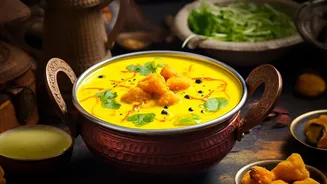
These delicate, tightly rolled sheets are a staple in Gujarati cuisine and a marvel of low-oil cooking. Khandvi is made from a thin batter of gram flour (besan) and yoghurt, which is cooked until thick. This mixture is then spread thinly, rolled up, and cut
into bite-sized pieces. The magic happens through steaming, not frying. The rolls are light, melt in your mouth, and get their flavour from a simple tempering of mustard seeds, sesame seeds, and sometimes a sprinkle of fresh coconut and coriander. Their soft texture and tangy taste make them a perfect light snack for a humid rainy day.
Paniyaram from Tamil Nadu
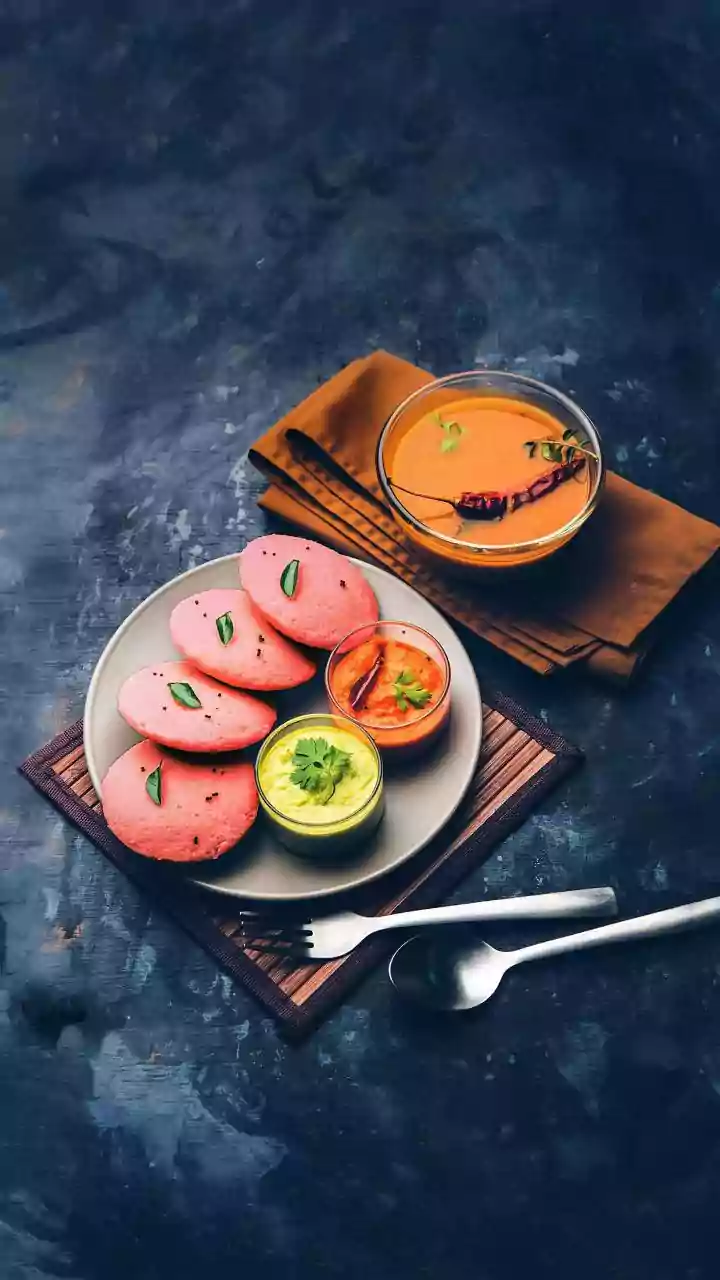
Known as Kuzhi Paniyaram in Tamil Nadu, these small, round dumplings are crisp on the outside and soft and fluffy on the inside. They are made from a fermented rice and lentil batter, similar to what's used for idli and dosa. The batter is poured into a special pan with multiple small moulds, requiring only a few drops of oil in each cavity to cook. This pan-frying method gives them their signature crispy crust without deep-frying. Often spiced with chopped onions, green chillies, and curry leaves, these savoury bites are traditionally served with coconut or tomato chutney, making them a filling and flavourful monsoon breakfast or evening snack.
Siddu from Himachal Pradesh
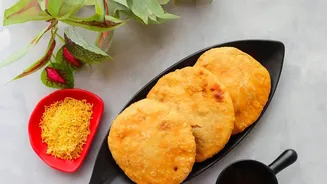
Hailing from the hills of Himachal Pradesh, Siddu is a comforting steamed bread that is perfect for cool, rainy weather. This hearty snack is made from a yeasted wheat flour dough which is left to ferment and rise. The dough is then stuffed with various fillings, with popular savoury options including a spiced paste of walnuts, poppy seeds, or urad dal. The stuffed buns are then steamed until cooked through, resulting in a soft, fluffy bread that is both wholesome and flavourful. Traditionally served hot with a generous dollop of desi ghee or a side of lentil dal or chutney, Siddu provides the warmth and energy needed on a damp monsoon day.
Ghugni from Bengal and Eastern India
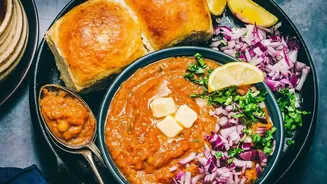
A beloved street food and home-style snack from Bengal, Bihar, and Odisha, Ghugni is a robust and protein-packed dish made from dried yellow or white peas. The peas are soaked overnight and then boiled until soft, forming the base of a thick, curry-like snack. It's flavoured with a blend of spices like cumin, coriander, and ginger, and often includes potatoes for extra heartiness. While a small amount of oil is used to temper the spices and sauté onions and tomatoes, the primary cooking method is boiling, making it a healthy choice. Ghugni is typically served hot, garnished with chopped onions, green chillies, and a squeeze of lemon, enjoyed on its own or with puffed rice.
Poha from Maharashtra and Central India
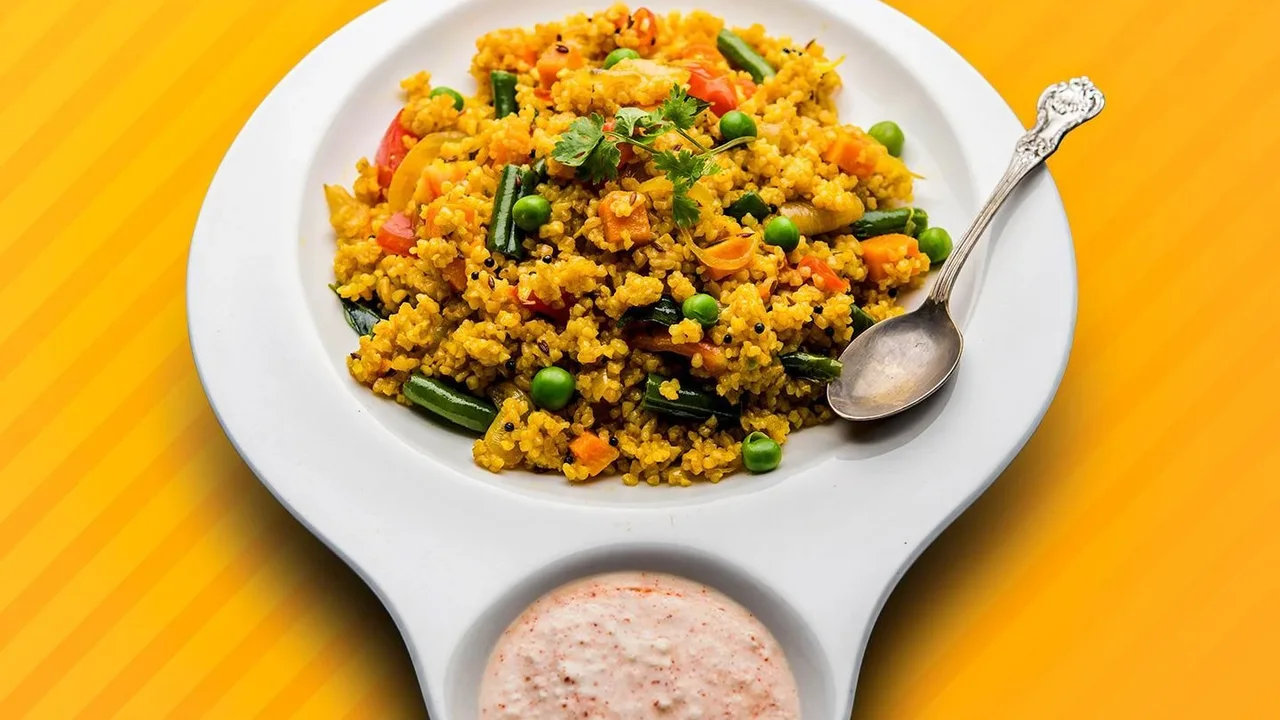
Poha, made from flattened rice, is a famously light and quick snack or breakfast dish popular across Maharashtra, Madhya Pradesh, and Gujarat. To prepare it, the flattened rice is first rinsed to soften it. Then, in a pan with very little oil, mustard seeds, curry leaves, onions, and peanuts are lightly sautéed. Turmeric gives the dish its characteristic yellow colour. The softened poha is added to the pan and gently tossed with the seasonings until warm. The entire dish comes together in minutes and is incredibly easy to digest. Often garnished with fresh coriander, a squeeze of lemon juice, and sometimes sev, it’s a versatile and wholesome snack that satisfies cravings without being heavy.