

A Strategic Shift in the Skies
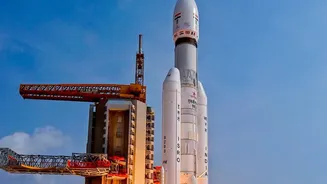
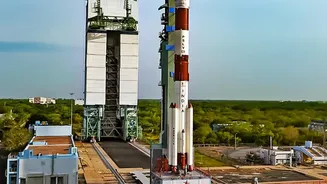
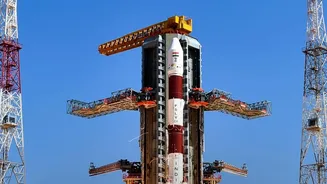
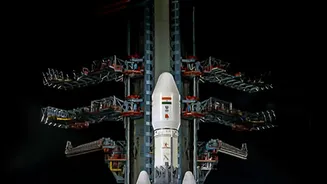
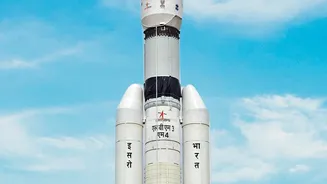
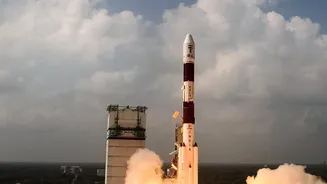
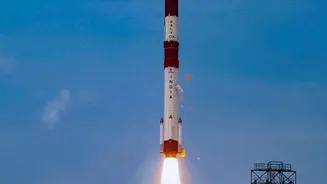
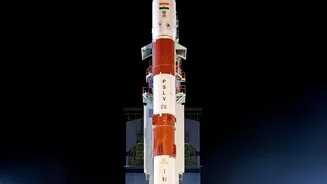
For decades, the Indian space narrative was synonymous with the Indian Space Research Organisation (ISRO). From launching its first rocket from a fishing village to missions to the Moon and Mars, ISRO has been the sole custodian of India's celestial aspirations.
However, the global space economy, projected to be worth over a trillion dollars in the coming decades, demanded a new approach. Recognising the immense untapped potential within the country, the government initiated a historic pivot in June 2020, formally opening the space sector to private participation. This wasn't just about outsourcing tasks; it was about creating a new paradigm where private innovation and capital could co-exist and thrive alongside ISRO's deep-rooted expertise, transforming the sector into a dynamic, multi-player arena.
The Indian Space Policy 2023: Defining the New Rules
The cornerstone of this new era is the Indian Space Policy 2023. This document fundamentally redefines the roles of all stakeholders. ISRO is now mandated to transition away from routine operational work and focus on its core strengths: advanced research and development, scientific discovery, and pioneering new technologies for strategic missions. Meanwhile, the policy empowers Non-Governmental Entities (NGEs)—a broad term for private companies, startups, and academic institutions—to undertake end-to-end space activities. This includes everything from building and launching their own rockets and satellites to providing space-based data and services, creating a level playing field for all.
IN-SPACe: The Single-Window Enabler
To prevent bureaucratic hurdles from stifling this nascent industry, the government established the Indian National Space Promotion and Authorisation Centre (IN-SPACe) in 2020. Acting as an autonomous single-window agency, IN-SPACe is the primary interface between the government and private players. Its mission is to promote, authorise, and supervise all private space activities, ensuring they align with national security and international obligations. This simplifies what was once a complex process, allowing startups and established companies to get approvals for launches, use ISRO's world-class facilities for a fee, and navigate the regulatory landscape with clarity and predictability.
Fueling Growth with Foreign Investment
A critical component of the reform is attracting global capital and technology. In early 2024, India significantly liberalized its Foreign Direct Investment (FDI) policy for the space sector. The new rules allow up to 100% FDI for manufacturing components and subsystems via the automatic route. For more sensitive areas, the policy created a tiered structure: up to 74% FDI is allowed under the automatic route for satellite manufacturing and operations, and up to 49% for launch vehicles and spaceports, with government approval required for higher stakes. This move is designed to inject much-needed capital into the ecosystem, encourage joint ventures, and facilitate the transfer of advanced technology from global aerospace leaders.
The Tangible Impact: Startups, Funding, and Growth
The results of these policies are already visible. The number of space-tech startups in India has exploded, growing from just a handful before 2020 to over 440 by mid-2026. Private investment has surged, climbing nearly six-fold to over $618 million by March 2026. India's space economy, valued at around $9-10 billion in 2025, is now projected to grow to $44 billion by 2033. Companies like Skyroot Aerospace, which is developing India's first privately-built orbital rocket, and Pixxel, a satellite imagery specialist, are becoming prominent names, showcasing the innovation this new environment has unleashed. This rapid growth is creating high-skilled jobs and positioning India as a competitive hub in the global space market.