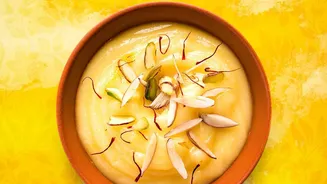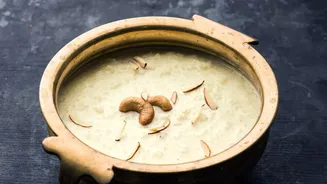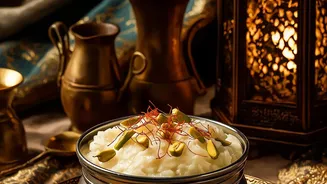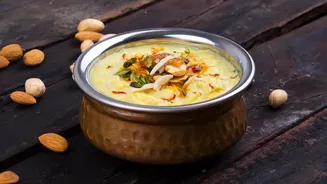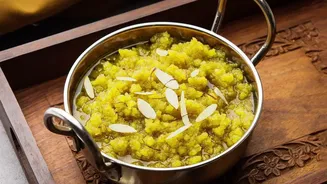

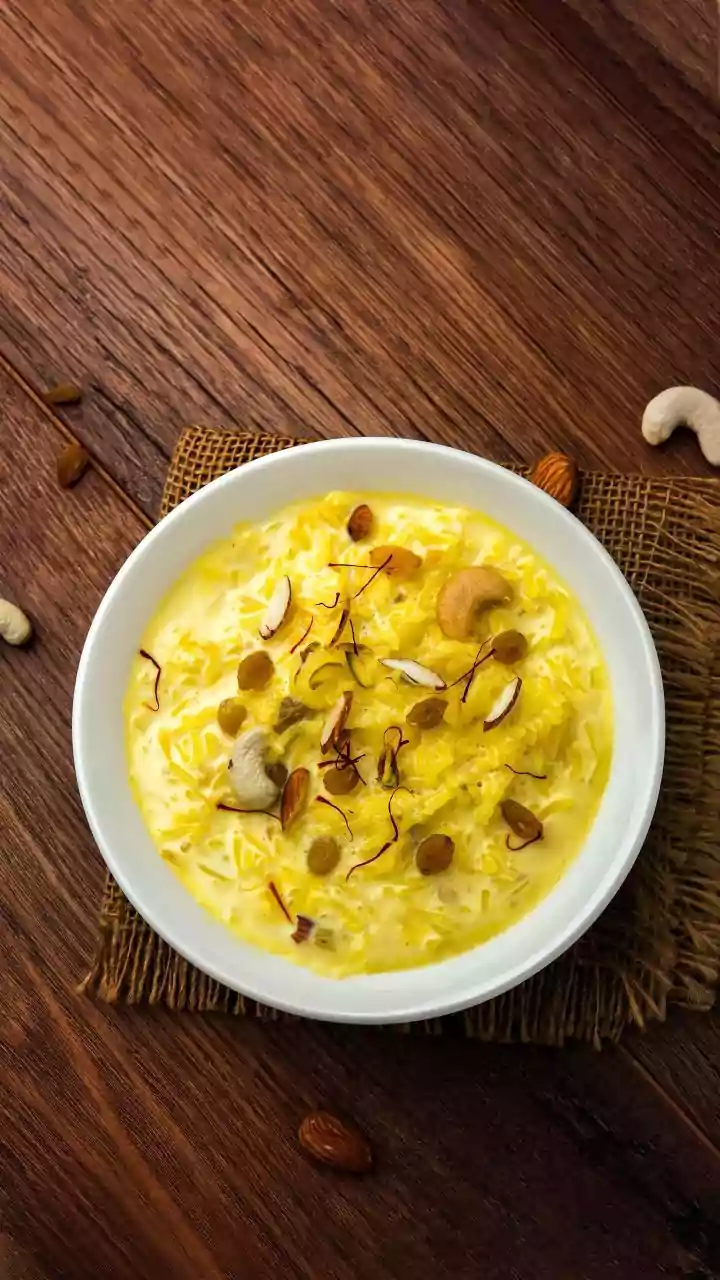

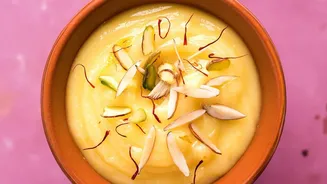
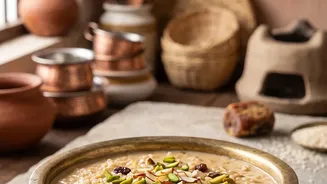
The comfort of a classic Indian sweet meets the fleeting joy of a seasonal fruit. Sitaphal Phirni is a dessert that captures a moment, blending creamy tradition with the unique, fragrant sweetness of custard apple in every spoonful.
The Enduring Charm of Phirni
Phirni is a dessert
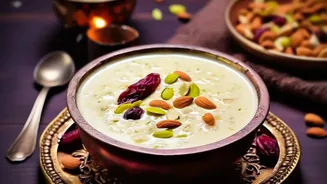
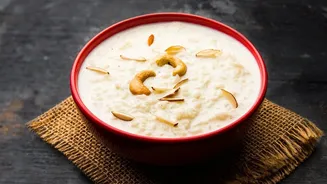
that speaks of comfort and celebration. A creamy pudding made from ground rice, milk, and sugar, it has roots tracing back to the Mughal era. Unlike its cousin, kheer, which uses whole rice grains, phirni’s signature is its smooth, yet slightly granular texture, achieved by using finely ground rice. Traditionally slow-cooked and infused with aromatic cardamom, saffron, or rose water, it is served chilled in small earthen bowls called 'shikoras'. These clay bowls aren't just for presentation; they absorb excess moisture, making the phirni thicker and imparting a subtle, earthy scent that enhances the whole experience. It’s a staple at festivals like Eid and Diwali, weddings, and family gatherings across North India, cherished for its elegant simplicity.
The Seasonal Star: Sitaphal
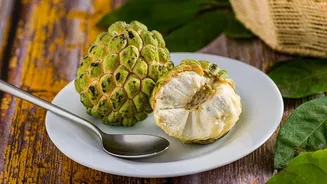
Enter the Sitaphal, or custard apple. This lumpy, green-skinned fruit doesn't look like much from the outside, but its interior holds a treasure. The creamy, white flesh is incredibly sweet with a flavour often described as a mix of vanilla, pear, and caramel. Its texture is unique—soft, pulpy, and custard-like, which is how it earned its English name. But the magic of sitaphal lies in its scarcity. It is a seasonal fruit, appearing in Indian markets after the monsoon, typically between September and November. This short window of availability makes it a highly anticipated treat. Enjoying sitaphal is a ritual in itself, a reminder of the pleasures that come with eating in season.
A Match Made in the Kitchen
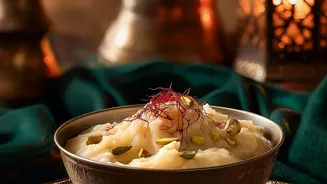
The combination of sitaphal and phirni is a stroke of culinary genius. The natural creaminess of the phirni provides the perfect canvas for the fruit. Because the phirni is only mildly sweet, it allows the distinct, tropical flavour of the sitaphal to take centre stage. Texturally, it’s a dream. The smooth, velvety pudding is punctuated by the soft, slightly grainy pulp of the sitaphal, creating a delightful contrast in every bite. The process of making it involves carefully de-seeding the fruit, a labour of love that ensures the pure flavour of the pulp shines through. The cool, milky base of the phirni perfectly complements the fragrant fruit, resulting in a dessert that is refreshing, indulgent, and utterly unique.
Innovation Rooted in Tradition
While pairing fruit with milk-based desserts is not new in India—think Aamras or Mango Kheer—Sitaphal Phirni represents a modern appreciation for hyper-local and seasonal ingredients. Chefs and home cooks are increasingly looking towards native produce to create innovative dishes that are still deeply connected to Indian culinary traditions. This trend is about more than just novelty; it's a celebration of the country's immense agricultural biodiversity. By incorporating a seasonal fruit like sitaphal into a timeless classic like phirni, the dessert is elevated. It becomes not just a sweet treat, but a narrative of place and time—a taste of the poststmonsoon season in a bowl.