






A New Generation's Appetite for Adventure
A significant driver of this trend is the palate of younger diners, particularly Gen Z and millennials. This demographic is increasingly seeking bolder, more adventurous, and globally-inspired flavours. Having grown up in a more interconnected world,
their culinary curiosity has been shaped by international travel, diverse media, and a willingness to experiment. This has translated into a higher demand for spicy foods, which are often associated with excitement and a more intense sensory experience. Major food brands have taken notice, with executives reporting that spicy items are consistently outselling other staples and that the demand for global chilli experiences is a clear market shift.
The Social Media Effect
In the age of Instagram and TikTok, we eat with our eyes first, and spicy dishes often deliver a visual punch. The vibrant reds of a fiery curry or the glistening sheen of a chilli oil are inherently photogenic. Social media has become a powerful force in shaping food trends, with hashtags and challenges driving culinary conversations. The popularity of 'spicy food challenges' and shows like 'Hot Ones' has turned up the heat, creating a culture where spice tolerance is seen as a badge of honour. Restaurants understand that a visually appealing, 'Instagrammable' dish can generate significant online buzz, attracting a new wave of customers eager to try the latest trend.
Rediscovering Regional Roots
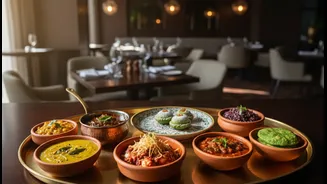
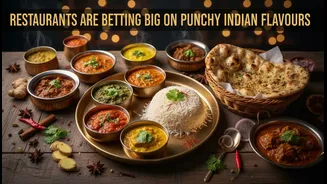
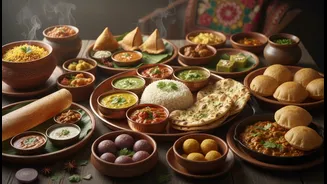
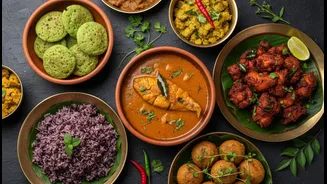
While global flavours play a role, another key factor is a renewed interest in India's own diverse culinary heritage. Chefs are moving beyond generic 'Indian' menus to showcase hyper-regional cuisines, many of which are traditionally known for their complex and fiery spice profiles. From the robust flavours of Chettinad chicken to the pungent curries of Goa and the smoky depth of Naga specialities, restaurants are celebrating the authenticity of regional Indian food. This movement not only educates diners about the vastness of India’s culinary landscape but also naturally introduces a wider spectrum of spices and heat levels to the mainstream diner.
Spice as a Business Strategy
For restaurant operators, spice is more than just a flavour—it's good business. Adding a spicy variant to an existing menu item is a cost-effective way to innovate and attract customers without a complete operational overhaul. Limited-time offers (LTOs) featuring spicy options are a popular strategy to test new flavour profiles and create a sense of urgency for diners. Furthermore, data shows that a significant percentage of consumers are not only likely to purchase a spicy item but are also willing to pay more for it. This makes 'turning up the heat' a smart and strategic move to drive both interest and revenue.
The Wellness Connection
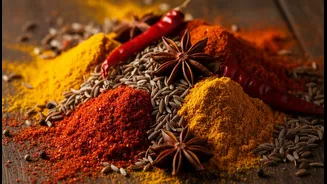
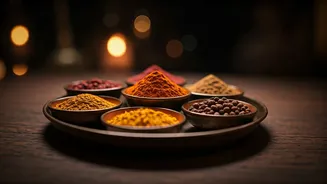
There is also a growing perception of spices being linked to health and wellness. Many spices, such as turmeric, ginger, and chillies, are known for their potential health benefits, including anti-inflammatory properties and metabolism-boosting effects. As consumers become more health-conscious, traditional Indian condiments and spice blends are being rebranded as functional foods. This wellness halo makes spicy food an attractive option for those looking to enjoy bold flavours while also feeling like they are making a positive choice for their body. The endorphin rush associated with eating spicy food also provides a 'feel-good' effect, making the experience both physically and emotionally satisfying.