



The Challenge of 'October Heat'
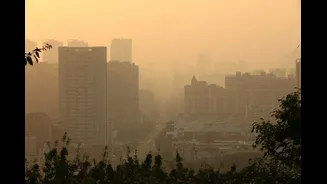
The term 'October heat' describes the climatic shift experienced across many parts of India after the southwest monsoon withdraws. While the rains stop, the skies clear, and temperatures begin to rise again, the atmosphere often retains a high level of humidity
from the preceding wet season. This combination of heat and humidity is particularly taxing on the body. The moisture in the air prevents sweat from evaporating efficiently, which is your body's primary cooling mechanism. As a result, your internal temperature can rise, and you lose vital fluids and electrolytes without getting the cooling benefit, increasing the risk of dehydration, fatigue, and heat exhaustion.
Recognise the Early Warning Signs
Dehydration doesn't always announce itself dramatically. The initial symptoms are often subtle and can be easily dismissed. Being vigilant for these early signs is the first step in prevention. One of the first and most obvious clues is thirst, though by the time you feel thirsty, you may already be slightly dehydrated. Other key indicators include urine that is dark yellow or amber in colour, less frequent urination, and a dry or sticky feeling in your mouth. You might also experience unexplained fatigue, headaches, or dizziness, which can signal that your body is low on fluids. Paying attention to these signals allows you to act quickly before more severe symptoms develop.
Hydrate with More Than Just Water
While drinking plenty of water is fundamental, it isn't the only part of a smart hydration strategy. When you sweat heavily in humid conditions, you lose not just water but also essential minerals called electrolytes, such as potassium and sodium. Replenishing these is crucial for maintaining fluid balance and muscle function. Traditional Indian beverages are excellent for this. Buttermilk (chaas) and curd (yoghurt) are cooling and contain probiotics that aid digestion. Coconut water is another powerhouse, often called 'nature's sports drink' because it's naturally rich in electrolytes, especially potassium. Simple lemon water with a pinch of salt and sugar can also work as a homemade oral rehydration solution, helping your body absorb fluids more effectively.
Eat Your Water for Better Hydration
A significant portion of your daily fluid intake can come from the foods you eat. Focusing on a diet rich in water-dense fruits and vegetables is a delicious and effective way to support your hydration levels. Cucumber, which is composed of about 96% water, is an ideal cooling snack. Watermelon is another classic choice, containing around 92% water along with beneficial antioxidants. Other excellent options readily available during this season include muskmelon, oranges, and tomatoes. Incorporating these foods into your meals and snacks helps replenish fluids consistently throughout the day, reducing the burden on drinking water alone.
Simple Lifestyle Adjustments Matter
Beyond diet, a few practical adjustments to your daily routine can make a big difference in preventing dehydration during the October heat. If possible, try to limit strenuous outdoor activities during the peak heat hours, typically between 10 a.m. and 4 p.m. Opt for lightweight, loose-fitting clothing made from breathable fabrics like cotton, which allows air to circulate and helps sweat to evaporate. If you must be outdoors, take frequent breaks in shaded or cooler areas. It is also wise to be mindful of beverages that can contribute to dehydration, such as those with excessive sugar or caffeine. These can have a diuretic effect, causing your body to lose more fluid.