

An Unsettling Overlap on the Map
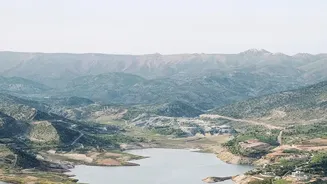
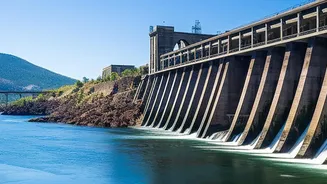
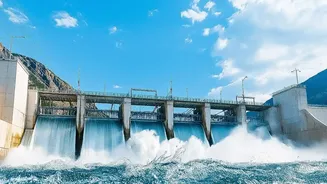
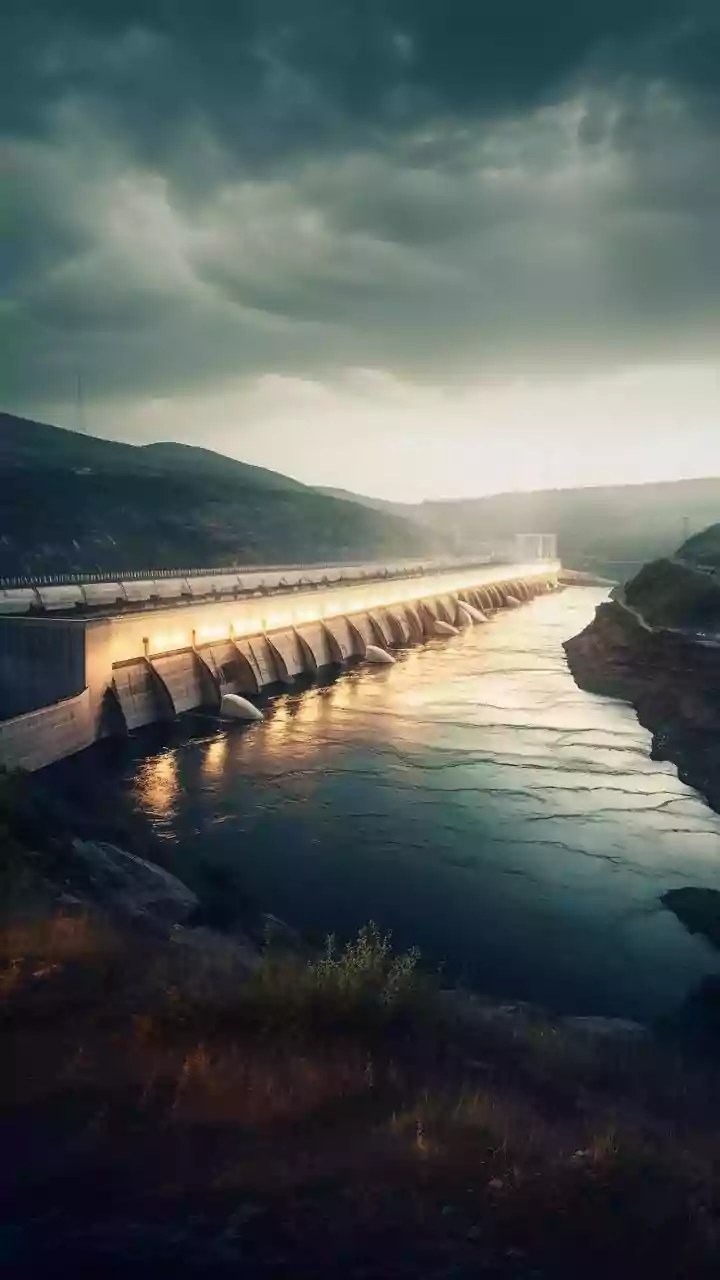
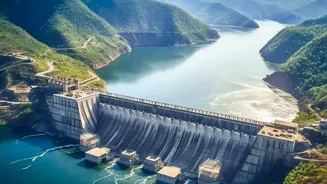
Recent analysis has highlighted a curious geographic correlation in Iran: the locations of many of the country's 533 dams appear to align with sites suspected of housing underground missile facilities. This observation, amplified by a New York Times report,
gained traction after a series of US and Israeli airstrikes this year targeting alleged clandestine military bases. Researchers noticed that a map of these strikes formed a semicircle from north to south, a pattern that closely mirrored the distribution of Iran's major dams. This has led military and water security experts to question whether the placement is purely coincidental. The secrecy surrounding Iran's missile program makes any link a hypothesis, not a proven fact, but the pattern is suggestive enough to warrant a closer look.
The Strategic Logic of 'Dual-Use' Infrastructure
From a military perspective, placing critical assets near or under civilian infrastructure like dams offers several advantages. Analysts suggest these massive projects could provide a steady, independent supply of water and power to Iran's so-called 'missile cities'—vast subterranean complexes for producing, storing, and launching munitions. A former Israeli military intelligence analyst noted this would give Tehran 'operational continuity', ensuring its missile forces are not dependent on the national grid, which could be vulnerable to attack. Furthermore, the very presence of a dam, a structure protected under international law, serves as a potential 'human shield'. Attacking a military target near a dam risks a catastrophic failure and mass civilian casualties, a calculation that complicates any enemy's strike plan.
Catastrophic Risks and Official Denials
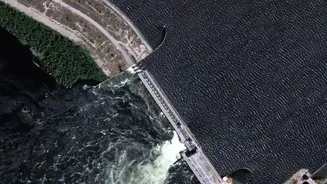
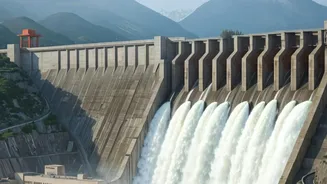
The primary concern is the immense risk posed to civilians living downstream. A breach of a major dam, like the Karun-3 or Dez dams in Khuzestan province, could unleash devastating floods. This has led to accusations that Iran is deliberately using its own people as shields. Iranian officials have vehemently denied these claims. A foreign ministry spokesperson called the allegations a 'malicious fallacy' designed to fabricate pretexts to justify attacks on civilian infrastructure. Iran's Parliament Speaker, Mohammad Bagher Ghalibaf, went further, stating that if this logic is applied to Iran, then Tehran would consider any dam, port, or power plant near a US or Israeli base to be a 'dual-use' military target. This heated rhetoric underscores the escalating tensions and the danger that vital civilian systems could become fair game in a wider conflict.
A Complex Picture with No Easy Answers
While the dual-use theory is compelling, some experts urge caution, arguing that spatial proximity does not prove causality. Mountainous regions are naturally suited for both building dams and digging deep, hardened military tunnels. Iran is also a water-scarce country, and many of its dams serve essential, undisputed civilian functions for generating electricity, irrigation, and providing drinking water. The discussion has also revived questions about the 2018 arrests of several environmental activists in Iran. Analysts now speculate that their fieldwork may have inadvertently brought them too close to these secret military zones, leading to accusations of espionage. Ultimately, the debate highlights a precarious situation where the lines between civilian and military infrastructure are blurred, raising the stakes for everyone in an already volatile region.