


As Delhi braces for its annual battle with winter air pollution, a new set of vehicle restrictions will come into force from November 1, 2026. This guide breaks down exactly which vehicles are affected, the duration of the ban, and the exemptions.
Why These Rules Are Being Implemented
Every
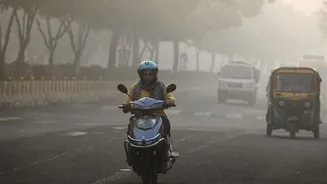
winter, a combination of factors including falling temperatures, lower wind speeds, and smoke from farm fires in neighbouring states traps pollutants in Delhi's air, leading to a sharp decline in air quality. To combat this public health crisis, the Commission for Air Quality Management (CAQM) and the Delhi government implement a series of measures known as the Winter Action Plan. A key part of this strategy is to reduce vehicular emissions, which are a major contributor to the city's pollution. The upcoming restrictions specifically target older, more polluting vehicles registered outside the capital to prevent additional emissions during this critical period.
Vehicles Banned from Entering Delhi
Starting November 1, 2026, and lasting until January 31, 2027, vehicles registered outside of Delhi that do not meet the Bharat Stage VI (BS-VI) emission standard will be barred from entering the city. This primarily affects older petrol and diesel vehicles. Specifically, this includes all BS-III and BS-IV vehicles, whether they are private cars or commercial vehicles. For commercial goods vehicles like trucks, a transitional window that allowed BS-IV diesel trucks to enter Delhi is also ending on October 31, 2026. From November 1, only BS-VI, CNG, LNG, or electric goods vehicles registered outside Delhi will be permitted entry.
GRAP and Its Impact on Local Traffic
It is important to distinguish the entry ban from the Graded Response Action Plan (GRAP), which applies to all vehicles within Delhi-NCR, including those registered in Delhi. While the entry ban is a fixed three-month measure, GRAP restrictions are dynamic and depend on the daily Air Quality Index (AQI). If the AQI deteriorates to the 'Severe' category (Stage III), a separate ban on plying BS-III petrol and BS-IV diesel four-wheelers is enforced across Delhi and several NCR districts. This means even Delhi-registered cars of these standards cannot be used when GRAP Stage III is active. Violating GRAP rules can lead to a fine of ₹20,000.
Exemptions to the Entry Ban
The ban is not absolute and several categories of vehicles are exempt. All electric vehicles (EVs) and vehicles that run on Compressed Natural Gas (CNG) can enter Delhi regardless of their registration location or emission standard. Additionally, vehicles used for essential and emergency services, such as ambulances, fire brigades, and those engaged in government work, are permitted to cross the border. Vehicles specially adapted for use by persons with disabilities are also typically exempt from such restrictions. However, vehicles carrying essential goods are no longer automatically exempt; the vehicle itself must be compliant (BS-VI, EV, CNG, etc.).
Penalties and Other Key Rules
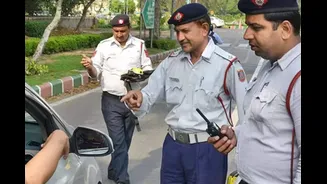
Enforcement will be strict at all entry points to Delhi, with teams deployed to check vehicles. While the fine for violating the entry ban itself can be steep, often cited as high as ₹20,000 for rule breaking, another crucial rule is also in play. From November 1, the 'No PUC, No Fuel' policy will be strictly enforced, meaning vehicles without a valid Pollution Under Control Certificate (PUCC) will be denied fuel at pumps across Delhi. Driving without a valid PUC certificate can attract a penalty of ₹10,000. Commuters should ensure both their vehicle's emission norm and PUC status are compliant before travelling.