







The Monsoon's Progress Report
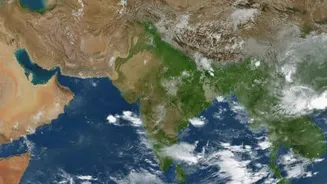
The Southwest Monsoon is advancing across the country, a familiar and vital pattern for India. After arriving in Mumbai around June 23, bringing intense downpours that broke a decade-long record for 24-hour June rainfall in some areas, the system is now
moving north. The India Meteorological Department (IMD) reports that conditions are favourable for its continued advance into states like Uttar Pradesh, Uttarakhand, and southeast Rajasthan in the coming days. However, its arrival in the National Capital Region is expected to be delayed, likely until the first week of July. This northward progression is the engine behind the widespread rains that are intensifying and beginning to disrupt daily life, especially in metropolitan areas unprepared for sudden, intense spells of weather.
Mumbai's Commuting Nightmare Returns
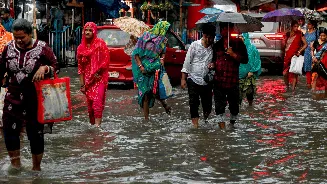
Mumbai got its first taste of monsoon chaos with a vengeance. Overnight rains on June 23-24 dumped over 300 mm of water in some pockets, leading to severe waterlogging and traffic snarls. Key arteries like the Andheri subway were forced to close, and suburban train services on the Central Railway were disrupted, leaving morning rush-hour commuters stranded. The downpour was so intense that some parts of the city received nearly half of their average June rainfall in a single night. This severe, localised rainfall highlights a critical issue: even with civic body assurances, the city’s infrastructure buckles under the pressure of such concentrated downpours, turning the daily commute into a gamble.
Your Monsoon Commute Toolkit
Navigating the monsoon-ravaged city requires more than just an umbrella; it demands a strategy. Before you even step out, preparation is key. Start by checking real-time updates from reliable sources. Traffic police social media handles and apps like Google Maps can provide crucial information on waterlogging and diversions. It is also wise to prepare a 'monsoon kit' for your journey. This should include a power bank for your phone, waterproof bags for electronics and important documents, and perhaps a small towel. For those on two-wheelers, ensuring your vehicle is in top condition—especially tyres and brakes—is non-negotiable. Driving slowly and maintaining a safe distance from the vehicle ahead can prevent accidents on slippery roads.
Rethinking Your Travel Plans
The most effective way to beat the monsoon commute is sometimes to avoid it altogether. If your workplace offers a flexible or hybrid model, these are the days to utilize it. Working from home can save you hours of frustration and keep you safe. If you must travel, consider adjusting your timing. Leaving home earlier than usual, or later in the evening, can help you miss the peak chaos that unfolds when heavy rain coincides with rush hour. Exploring alternative modes of transport might also be a viable option. While public transport also comes under strain, sometimes a delayed metro is a better bet than a completely gridlocked road. The key is to have a Plan A, B, and C.
The Bigger Picture: City Preparedness
While individual planning is crucial, the recurring nature of these commuting woes points to a larger, systemic challenge. In Delhi, authorities are activating a flood preparedness plan, mindful of the severe flooding in previous years. These measures include 24x7 control rooms and warning systems for the Yamuna river. In Mumbai, despite pre-monsoon drain cleaning efforts, the city's low-lying areas remain vulnerable to flooding. The viral videos of waterlogged streets and stranded vehicles are an annual reminder of the gap between planning and reality. For the average commuter, this means that until urban infrastructure is fundamentally upgraded to handle these increasingly intense weather events, the responsibility for navigating the chaos falls squarely on their own shoulders.