





The New Monsoon Mindset
For many, grocery shopping is a weekly, bulk-buying ritual. But this strategy works against us during the monsoon. The combination of heat and humidity creates the perfect breeding ground for bacteria and fungi, causing food to spoil at an alarming rate.
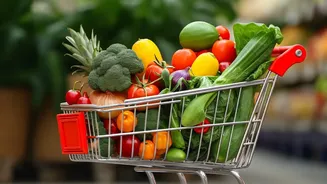
The wisdom for this season isn't about stocking up, but about adapting. The new monsoon mindset involves more frequent trips to the market to purchase delicate items in smaller quantities. This ensures that the food you eat is always fresh, safe, and at its nutritional peak, while also minimising waste from spoilage. This approach isn't about restriction; it's about being smarter and more in tune with the season's demands.
The 'Buy-in-Small-Batch' List
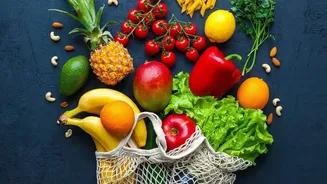
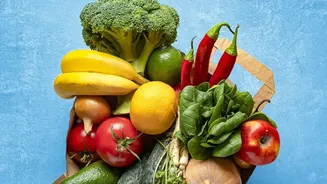
Certain foods are particularly vulnerable to the monsoon's dampness. Leafy green vegetables like spinach, cabbage, and coriander are notorious for trapping moisture, dirt, and microbes in their layers, making them difficult to clean thoroughly. Similarly, vegetables that grow in damp soil, like mushrooms, can harbor bacteria. Instead of buying a week's worth, purchase these items for just a day or two's needs. The same rule applies to other perishables like pre-cut vegetables, which spoil rapidly once exposed to humid air. For fruits, it's best to buy them whole and cut them just before eating to avoid contamination. This small-batch approach extends to dairy products like milk and paneer, as well as meat and seafood, which should be bought from reputable sources and consumed within a day or two.
Smart Storage Is Everything
How you store your groceries is just as important as how you buy them. High humidity requires a proactive storage strategy. For vegetables, don't wash them until you're ready to cook, as excess moisture accelerates decay. Store them in breathable bags in the refrigerator to allow for air circulation. For leafy greens that you must wash, consider a soak in salt or vinegar water, followed by a thorough rinse and patting them completely dry before storage. Airtight containers are your best friends during this season for everything from spices to leftover cooked food, as they lock out moisture and prevent your snacks from becoming soggy. Regularly cleaning your refrigerator is also crucial to prevent it from becoming a breeding ground for mould.
The 'Stock-Up' Pantry Staples
While delicate foods need a 'just-in-time' approach, your pantry staples are a different story. These are the items you can confidently stock for longer periods. This includes whole grains like brown rice and millets, and a variety of lentils and pulses such as moong, masoor, and chana. These are not only easy to digest, which is helpful when digestion can be sluggish in the monsoon, but they also store well in airtight containers. Whole spices like turmeric, cumin, black pepper, and ginger are also excellent to have on hand for their flavour and immunity-boosting properties. Just ensure they are stored away from heat and steam to preserve their potency.
The Health Connection
Adopting this mindful shopping strategy is directly linked to better health. The monsoon season sees a spike in foodborne illnesses, stomach infections, and digestive issues. This is largely due to the rapid multiplication of bacteria and fungi on food. By buying fresh produce in smaller batches, you significantly reduce the chance of consuming food that has started to spoil. Eating freshly cooked meals from fresh ingredients is a cornerstone of monsoon wellness. It's also why experts advise being cautious with street food, especially raw items like chutneys or pre-cut salads, which are highly susceptible to contamination. A smart shopping plan is your first line of defence against seasonal illnesses.