



Why the Monsoon Magnifies Food Risks
The rainy season's defining features—high humidity and abundant moisture—create an ideal breeding ground for harmful bacteria, viruses, and fungi. Pathogens like E. coli, Salmonella, and Norovirus thrive in these warm, damp conditions, multiplying rapidly
on food surfaces. Heavy rainfall often leads to waterlogging and flooding, which can contaminate public water supplies with sewage and other pollutants. This contaminated water may be used to irrigate farms or wash produce, introducing germs at the very start of the food supply chain. As a result, food spoils faster, and the risk of contracting illnesses like gastroenteritis, typhoid, and cholera spikes significantly.
The Journey of Contamination: Farm to Market
The contamination of raw produce often begins long before it reaches your kitchen. Vegetables, especially leafy greens like spinach and cabbage, grow close to the soil. During the monsoon, this soil is often saturated with contaminated water, allowing pathogens to cling to the leaves and roots. The journey from the farm to the market presents more opportunities for contamination. Produce is often transported in damp, crowded conditions, facilitating cross-contamination. At vegetable markets, which can have poor drainage and unhygienic conditions, produce may be splashed with dirty water or handled with unclean hands, adding another layer of risk.
The Problem with Pre-Cut Produce
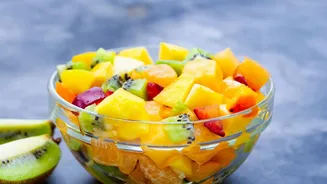
The convenience of pre-cut fruits and salads sold by street vendors is tempting, but it carries a particularly high risk during the monsoon. Once a fruit or vegetable is cut, its natural protective peel is removed, exposing its moist, sugary interior to the air. This surface becomes a perfect home for airborne bacteria. Unsanitary practices, such as using a single knife and cutting board for multiple items, exposure to flies and dust, and the use of untreated tap water for rinsing, are common. These factors make roadside chaat, uncovered fruit platters, and fresh juices some of the riskiest foods to consume during this season.
Your Guide to Washing Produce Safely
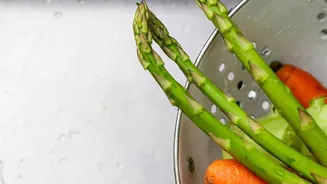
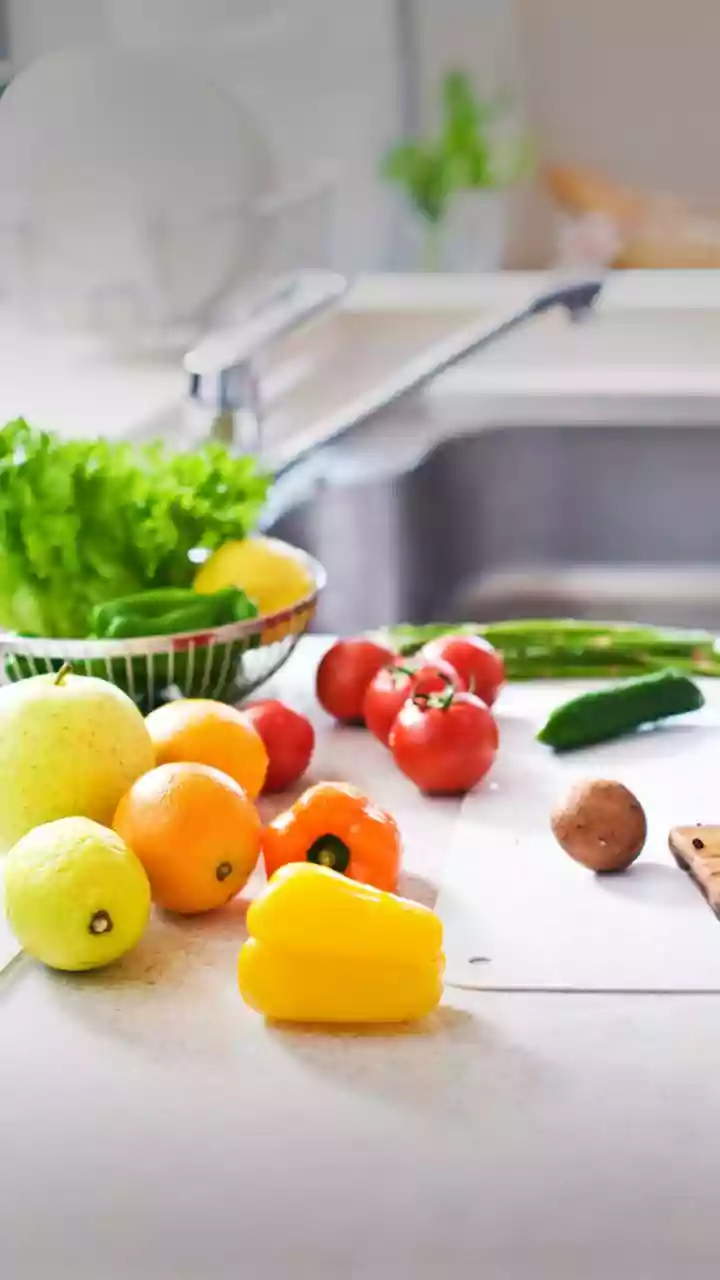
While the risks are real, you don't have to give up raw foods entirely. The key is meticulous cleaning. Start by washing your hands thoroughly with soap. Wash all vegetables and fruits under clean, running water. For leafy greens, it's best to soak them in a bowl of clean water with a pinch of salt or a splash of vinegar for about 10-15 minutes to help dislodge germs hidden in their folds, then rinse them again. A vegetable brush can be used on produce with thicker skins. Always ensure the water you use for washing and preparing food is either filtered, boiled, or purified, as tap water quality can be unreliable during the rains.
Smart Habits for a Healthy Monsoon
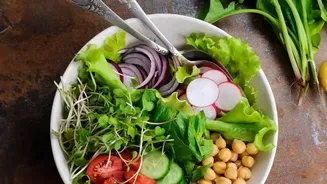
Beyond just washing, a few smart habits can significantly lower your risk of foodborne illness. Whenever possible, opt for cooked meals over raw ones, as heat is effective at killing most pathogens. If you're eating fruit, choose ones with thick peels that you can remove yourself, like bananas and oranges, and cut them just before eating. Avoid buying vegetables that look bruised, slimy, or mouldy. Store produce in a clean, dry refrigerator and consume it within a few days to prevent spoilage. It's also wise to be extra cautious when eating out; prioritize freshly cooked, hot food from reputable establishments and steer clear of raw salads or garnishes.