





Why Packaging is a Key Focus
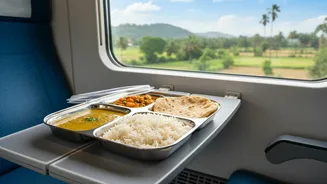
Proper packaging is your first line of defense against food contamination and spoilage, a critical factor on journeys that can span multiple days. Indian Railways, through its catering arm IRCTC, has made food safety a priority, with packaging standards
at the forefront. The goal is to ensure meals remain hygienic and fresh from the kitchen to your seat. This involves using securely packed, tamper-evident containers to maintain freshness and prevent contamination during transit. According to recent reports, Indian Railways has been actively penalizing vendors for violations, imposing fines worth ₹5.13 crore over the last three years to enforce these standards.
Decoding the QR Code on Your Meal
One of the most significant steps towards transparency is the introduction of QR codes on meal packets. This feature is designed to empower passengers with crucial information. By scanning the QR code, you can access details like the name of the licensed vendor, their FSSAI license number, and the precise date and time of packing. This simple scan helps verify the freshness of the meal and ensures the food has come from an approved and monitored kitchen. This initiative is part of a broader push to improve accountability and passenger confidence in the catering services provided on trains.
The Move to Eco-Friendly Materials
Beyond just safety, Indian Railways has also been pushing for environmental sustainability. In a significant move, IRCTC began introducing biodegradable food packaging, particularly on premium trains like the Rajdhani and Shatabdi Express. Many of these containers are made from bagasse, a fibrous byproduct of sugarcane processing. This material is compostable and a much greener alternative to the plastic and polymer trays used previously. This initiative not only reduces plastic waste across the vast railway network but also addresses health concerns associated with plastic leaching into hot food.
What to Check Before You Accept Your Meal
As a passenger, a few simple checks can make all the difference. First, inspect the packaging itself. Ensure it is properly sealed and not damaged or tampered with. If you're ordering through e-catering services, these meals are expected to come in high-quality, often leak-proof packaging. Be wary of food that looks, smells, or tastes off. Pay attention to the QR code and the packing date it reveals. In a recent incident, a passenger on a Vande Bharat Express raised concerns about rotis being heated directly inside plastic packets that were not certified as microwave-safe, sparking a debate on packaging safety standards. Always check for any specific instructions on the packaging itself.
Know Your Rights and How to Complain
If you receive a meal with poor packaging or questionable quality, you have recourse. Indian Railways has a multi-layered inspection mechanism, including both regular and surprise checks by officials and Food Safety Officers. Passengers are encouraged to report issues. You can file a complaint through official channels like the Rail Madad app, the IRCTC website, or dedicated toll-free numbers. Providing details like the train number, coach, and specifics of the issue helps authorities take action, which can range from fines to contract terminations for the defaulting vendors.
Tips for Bringing Your Own Food
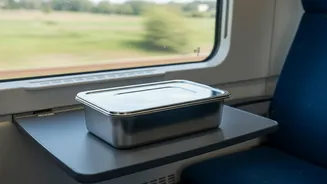
While railway catering has improved, many travellers still prefer to carry their own food, especially for very long journeys. If you do, choose items with a long shelf life, like sealed snacks, biscuits, or ready-to-eat meals that only require hot water. According to railway rules, oily or greasy items should be securely packed in leak-proof containers to avoid spillage, which can cause hygiene issues and even be a fire hazard. While articles of food required for the journey are generally permitted, there are restrictions on carrying large quantities of items like ghee, which must be in a securely packed tin.